Outfitters · West Virginia
Outfitters in West Virginia
Paddle 19 outfitters across West Virginia. Maps, hours, contact info, photos, and verified operator profiles, all in one place.
Mountain State. Monongahela, the New River Gorge, and the Allegheny Plateau.
About West Virginia
Best time to go
When to paddle in West Virginia
April through November.
- April–May: spring runoff, the whitewater window
- June–September: lakes, ponds, and coastal sea kayaking
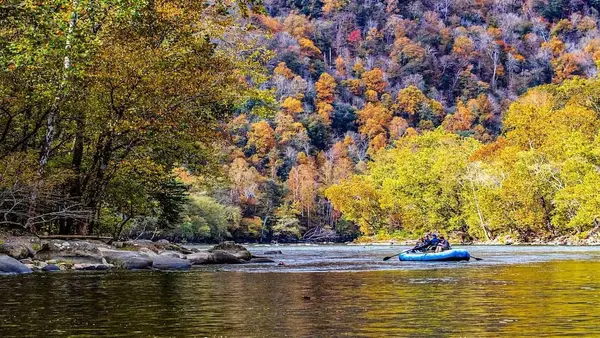
- September–October: foliage paddling on still-warm water
19 on the map
Tap a pin to open its profile.
Quick facts
- Rivers mapped
- 188
- Outfitters listed
- 19
- Best season
- April through November
All listings
19 outfitters
across West Virginia
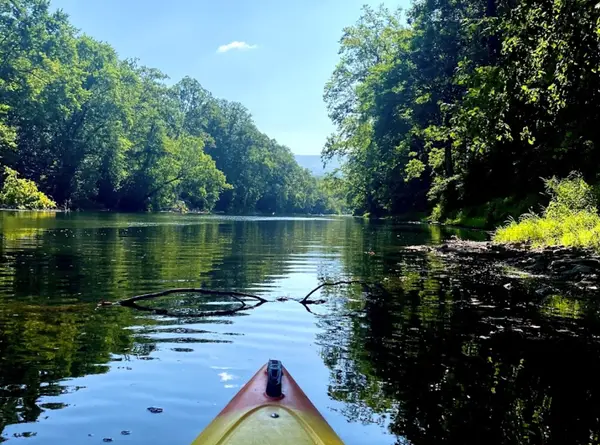
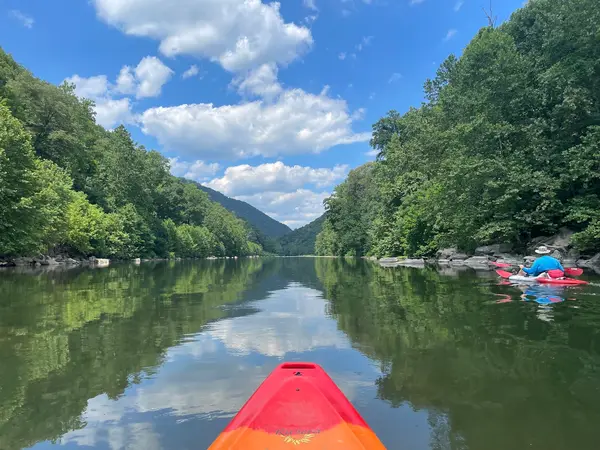
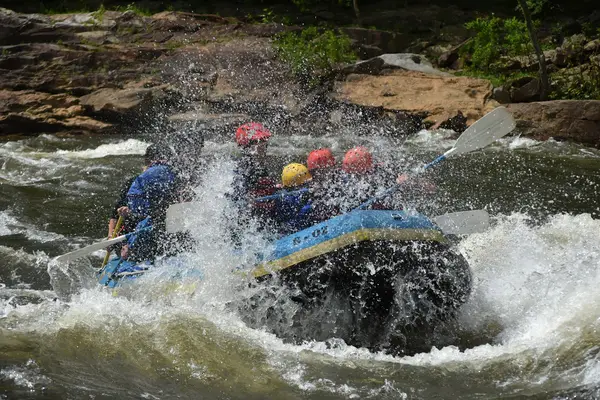
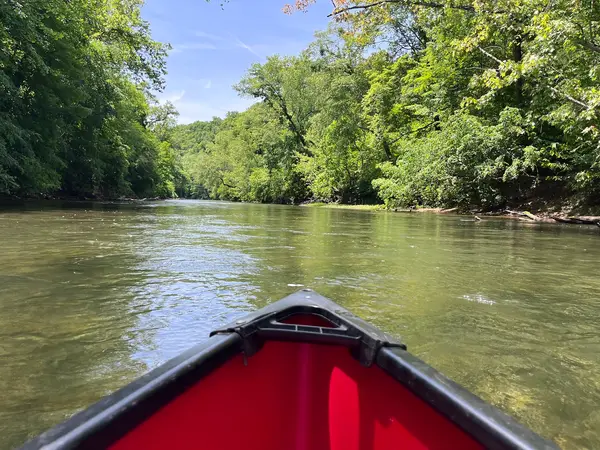
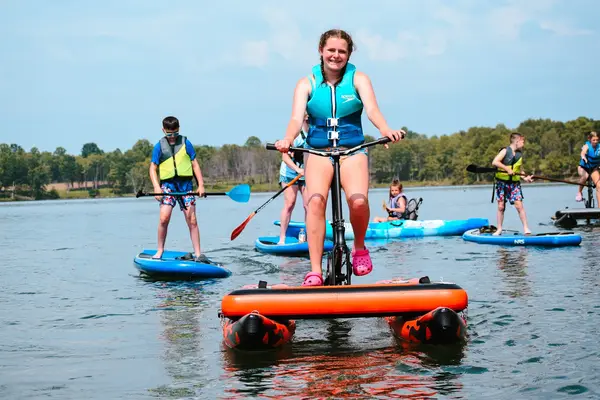
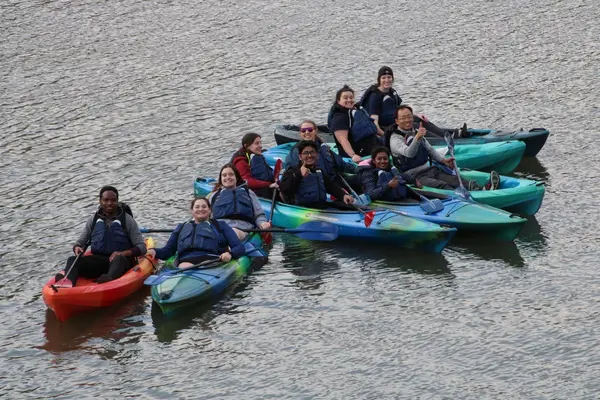
Plan your trip
Plan your trip to West Virginia
Waterways and Water Levels
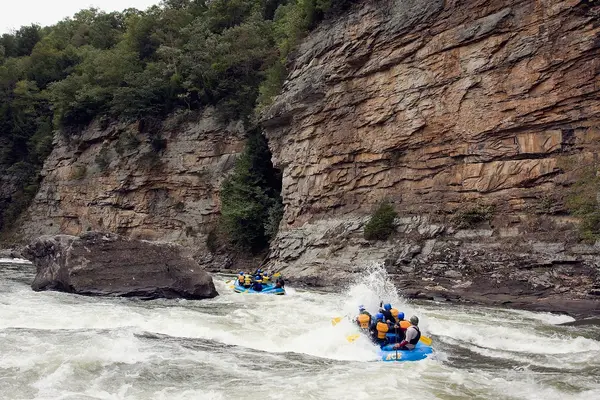
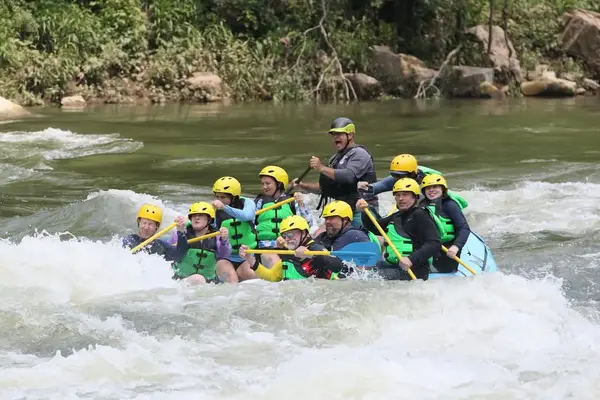
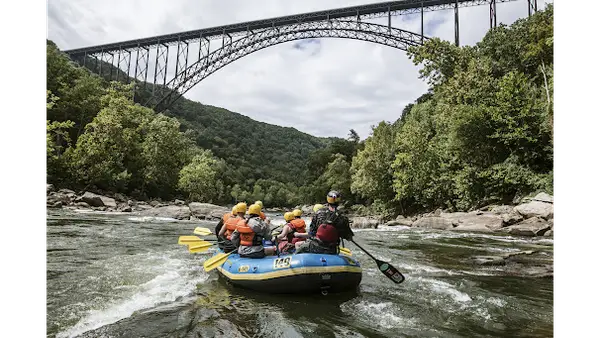
West Virginia's paddling opportunities are diverse, from the New River Gorge (Class I-V) and Gauley River (Class III-V+) for whitewater, to flatwater havens like Summersville Lake and Cheat Lake. Water levels on rivers are dynamic; always check USGS streamflow gauges and, for dam-controlled rivers like the Gauley, dam release schedules before planning your trip. Outfitters are a reliable source for current conditions.
Whitewater vs. Flatwater
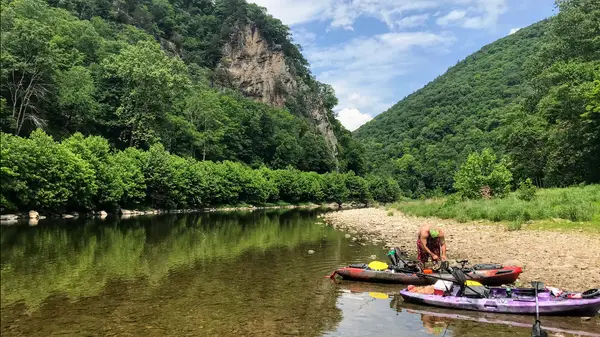
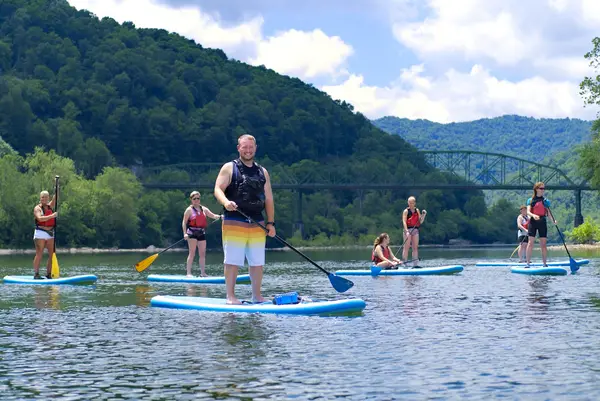
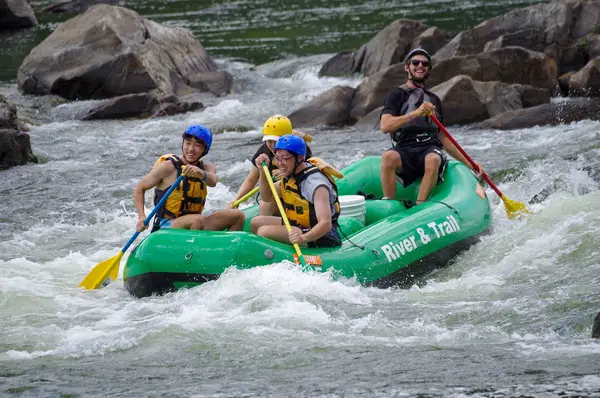
West Virginia caters to both. Whitewater rafting and kayaking are prominent on rivers like the New and Gauley, often requiring guided trips or significant experience. Flatwater paddling on lakes and calmer river sections (e.g., Greenbrier, Shenandoah) is accessible for all skill levels, with many options for rentals and self-guided exploration.
Safety and PFD Requirements
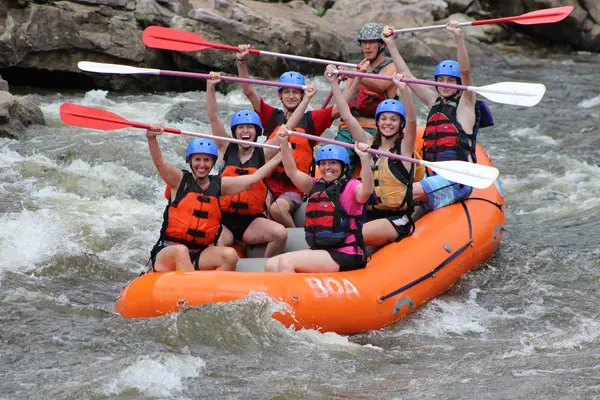
Cold water safety is paramount, especially outside of peak summer. A U.S. Coast Guard-approved Personal Flotation Device (PFD) is required for every person on board any vessel, including kayaks, canoes, and SUPs. Children 12 years of age and younger must wear a PFD at all times while on any vessel.
Outfitter Services
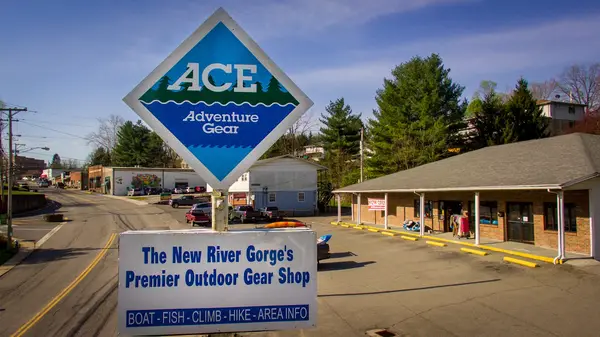
Many reputable outfitters throughout the state offer a comprehensive range of services, including guided whitewater rafting trips, kayak and canoe rentals, SUP lessons, and shuttle services for river trips. Booking with an outfitter simplifies logistics for put-ins, take-outs, and ensures access to necessary gear and expertise.
Permits and Access
While most recreational paddling on public waterways does not require a specific permit for the paddlecraft itself, access points may be on public lands (state parks, national forests) or private property. Always respect posted signs and inquire about any specific access fees or regulations at launch sites. Fishing requires a valid West Virginia fishing license.
Confirm current requirements with the state agency before your trip. Rules and fees change every season.
Personal Flotation Devices (PFDs)
All vessels, including kayaks, canoes, and stand-up paddleboards, must carry one wearable U.S. Coast Guard-approved PFD for each person on board. Children 12 years of age and younger must wear a U.S. Coast Guard-approved PFD at all times while on any vessel.
Boating Under the Influence (BUI)
Operating any vessel, including paddlecraft, while under the influence of alcohol or drugs is illegal in West Virginia. Penalties for BUI can include fines, imprisonment, and suspension of boating privileges, similar to DUI laws for motor vehicles.
Boat Registration
Non-motorized paddlecraft such as canoes, kayaks, and stand-up paddleboards are generally exempt from registration requirements in West Virginia. However, any paddlecraft equipped with a motor, regardless of size, must be registered with the West Virginia Division of Natural Resources.
- 01
Define Your Paddling Goal
Determine if you're seeking whitewater thrills, a peaceful flatwater float, or a multi-day touring adventure. This will guide your choice of waterway and outfitter.
- 02
Choose a Region and Waterway
Based on your goal, research specific rivers or lakes in West Virginia. Consider the New River for whitewater, Summersville Lake for flatwater, or the Greenbrier River for a scenic float.
- 03
Check Conditions and Plan Logistics
Verify current weather forecasts and water levels using USGS streamflow gauges. For whitewater, especially on the Gauley, check dam release schedules. Plan for equipment rentals, guided trips, or shuttle services.
- 04
Book with a Reputable Outfitter
For a seamless experience, especially for whitewater or if you need rentals, book your trip, lessons, or equipment with a local outfitter. They provide essential gear, safety briefings, and logistical support.
- 05
Prepare for Your Trip
Gather appropriate clothing, sun protection, hydration, and snacks. Ensure you have a U.S. Coast Guard-approved PFD for everyone in your party, and be aware of cold water safety practices.
01Do I need a permit to paddle in West Virginia?
02What are the best rivers for whitewater rafting in West Virginia?
03Are there good flatwater options for beginners and families?
04Is West Virginia suitable for stand-up paddleboarding (SUP)?
05What safety gear is required for paddling in West Virginia?
06When is the best time to paddle in West Virginia?
Free tools
Your free outdoor toolkit

Everything Map
Listings, trails, spots, clubs and public land on a single full-screen map. Switch layers on and off, then tap any point for the details.
Open Everything MapRiver Explorer
Explore named rivers from the USGS hydrography dataset. Filter by water type or whitewater class.
Open River ExplorerRoute Planner
Drop stops on a map and watch distance and drive time add up. Export a GPX or share the link.
Open Route PlannerPaddling Clubs
Browse local clubs with meeting info and how to join, or start your own for free.
Open Paddling ClubsPhoto ID
Point your camera at whatever you found and get a structured identification. No signup.
Open Photo IDGear Checklists
Printable, save-as-you-go packing lists. Tick items off and pull them up on your phone.
Open Gear Checklists
Keep exploring