Outfitters · Maryland
Outfitters in Maryland
Paddle 18 outfitters across Maryland. Maps, hours, contact info, photos, and verified operator profiles, all in one place.
Chesapeake Bay, Appalachian Plateau, and the Atlantic at Assateague.
About Maryland
Best time to go
When to paddle in Maryland
April through November.
- April–May: spring runoff, the whitewater window
- June–September: lakes, ponds, and coastal sea kayaking
- September–October: foliage paddling on still-warm water
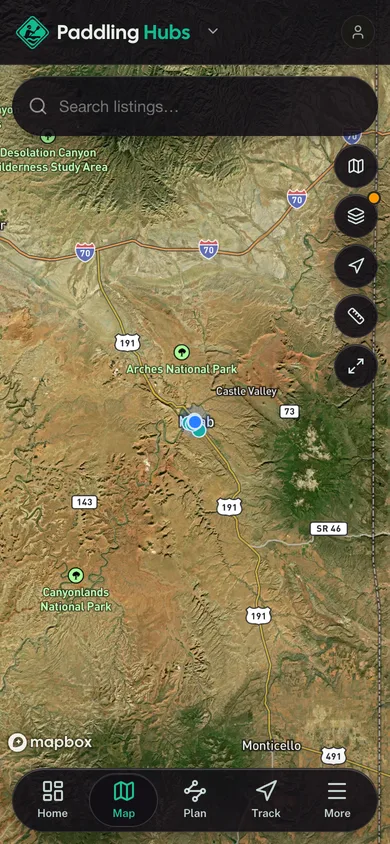
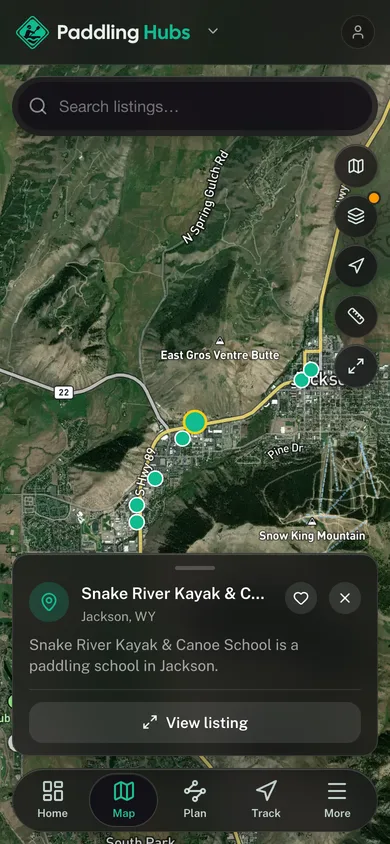
18 on the map
Tap a pin to open its profile.
Quick facts
- Rivers mapped
- 187
- Outfitters listed
- 18
- Best season
- April through November
All listings
18 outfitters
across Maryland
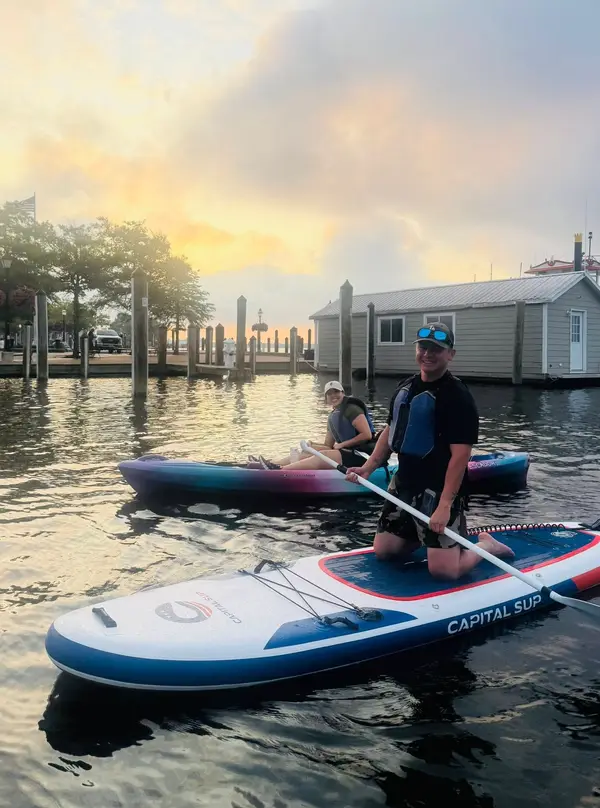
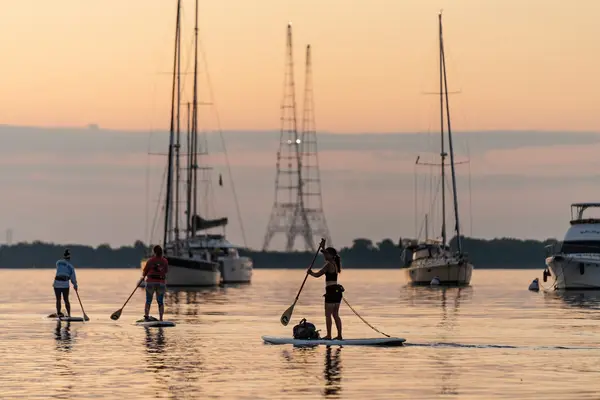
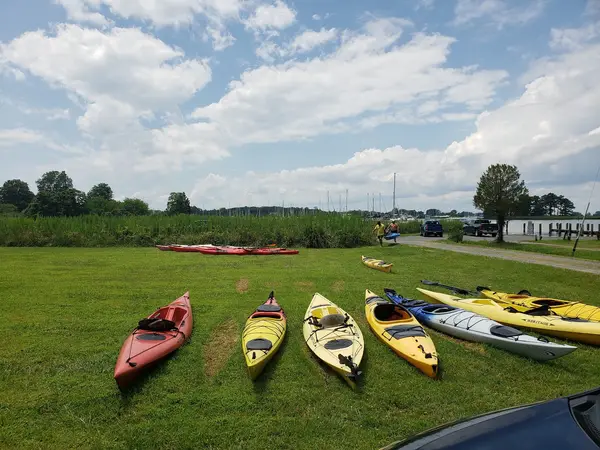

Plan your trip
Plan your trip to Maryland
Diverse Waterways and Conditions
Maryland features everything from the vast, often choppy waters of the Chesapeake Bay and Atlantic coastal bays to the technical whitewater of the Youghiogheny and Potomac Rivers, and placid inland lakes like Deep Creek Lake. Always match your skill level to the water conditions.
Water Levels and Flow
Whitewater rivers, particularly the Upper Youghiogheny and Savage River, are heavily dependent on dam releases and rainfall. Consult USGS streamflow gauges and specific dam release schedules from outfitters or state agencies before planning a trip. Flatwater conditions can also be affected by wind and tide, especially in the Bay.
Safety First: PFDs and Cold Water
Maryland law requires a U.S. Coast Guard-approved PFD for each person on board all recreational vessels, including kayaks, canoes, and SUPs. During colder months (typically November 1 to May 15), anyone on a vessel under 21 feet must wear a PFD. Always dress for immersion, especially in spring and fall.
Access and Logistics
Public access points and boat ramps are available across the state, managed by state parks, local governments, and federal agencies. For whitewater, outfitters often manage put-in/take-out points and shuttle services. For flatwater, rentals and guided trips from local liveries simplify logistics.
Rentals, Guided Trips, and Lessons
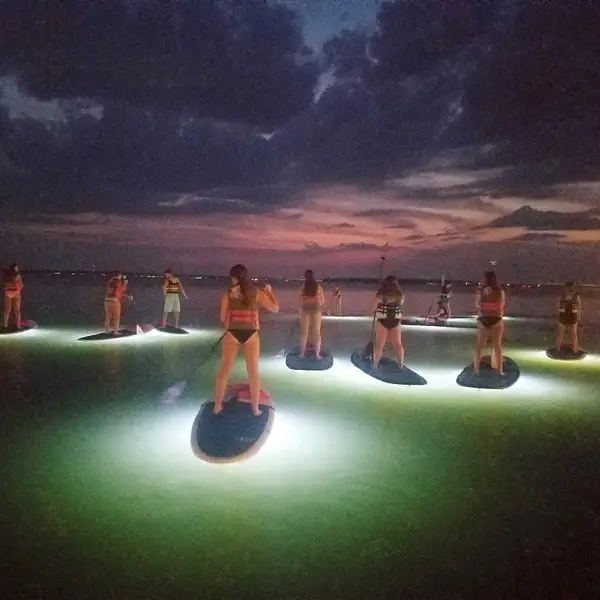
Numerous outfitters across Maryland provide kayak, canoe, and SUP rentals. Guided trips are popular on the Chesapeake Bay for ecological tours and history, and on whitewater rivers for safety and instruction. SUP schools are prevalent in coastal and urban areas.
Confirm current requirements with the state agency before your trip. Rules and fees change every season.
Personal Flotation Devices (PFDs)
All recreational vessels, including kayaks, canoes, and stand-up paddleboards, must have at least one U.S. Coast Guard-approved wearable PFD for each person on board. Children under 13 must wear a PFD at all times while underway on any vessel under 21 feet. During cold weather months (November 1 through May 15), all individuals on vessels less than 21 feet must wear a PFD.
Vessel Registration
Non-motorized vessels 16 feet or greater in length, and all motorized vessels (including those with electric motors) used on Maryland waters, must be registered with the Maryland Department of Natural Resources. Most kayaks, canoes, and SUPs under 16 feet that are not motorized are exempt from registration.
Fishing License
Any person 16 years of age or older fishing in Maryland waters, including while paddling, must possess a valid Maryland fishing license. Different licenses are required for freshwater and saltwater fishing, and specific regulations apply to various species.
- 01
Define Your Paddling Adventure
Decide if you seek a calm flatwater experience on a lake or bay, a guided historical tour, or an exhilarating whitewater run. Your skill level and preferred environment will guide your choices.
- 02
Research Maryland Outfitters
Explore local outfitters, liveries, and SUP schools based on your chosen region and activity. They offer rentals, guided trips, and lessons, providing necessary gear and local expertise.
- 03
Check Conditions and Water Levels
Before heading out, always verify current weather forecasts, water temperatures, and for river paddling, check USGS streamflow gauges or dam release schedules to ensure safe and appropriate conditions.
- 04
Book Your Trip or Rental
Contact your chosen outfitter to reserve equipment, secure a spot on a guided tour, or schedule a lesson. Inquire about their specific safety policies, gear included, and any prerequisites.
- 05
Prepare for Your Outing
Dress appropriately for the water temperature and weather, bring adequate hydration and sun protection, and ensure you understand and adhere to all safety guidelines, especially wearing a PFD.
01What is the best time of year for whitewater paddling in Maryland?
02Can I paddle the Chesapeake Bay, and what should I know?
03Are PFDs (life jackets) required for kayaks and SUPs in Maryland?
04Do I need to register my kayak or stand-up paddleboard in Maryland?
05Are guided paddling trips and lessons available for beginners in Maryland?
06What are the main safety considerations for cold-water paddling in Maryland?
Free tools
Your free outdoor toolkit

Everything Map
Listings, trails, spots, clubs and public land on a single full-screen map. Switch layers on and off, then tap any point for the details.
Open Everything MapRiver Explorer
Explore named rivers from the USGS hydrography dataset. Filter by water type or whitewater class.
Open River ExplorerRoute Planner
Drop stops on a map and watch distance and drive time add up. Export a GPX or share the link.
Open Route PlannerPaddling Clubs
Browse local clubs with meeting info and how to join, or start your own for free.
Open Paddling ClubsPhoto ID
Point your camera at whatever you found and get a structured identification. No signup.
Open Photo IDGear Checklists
Printable, save-as-you-go packing lists. Tick items off and pull them up on your phone.
Open Gear Checklists
Keep exploring