Outfitters · Wisconsin
Outfitters in Wisconsin
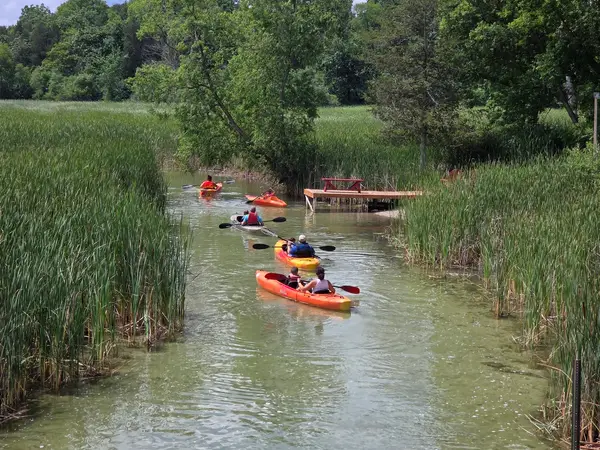
Paddle 22 outfitters across Wisconsin. Maps, hours, contact info, photos, and verified operator profiles, all in one place.
Apostle Islands, the Driftless, and 15,000 lakes.
About Wisconsin
Best time to go
When to paddle in Wisconsin
May through October.
- June–August: peak flatwater and wilderness canoe tripping
- Classic canoe routes (e.g. the Boundary Waters) are a summer window
- Ice governs the shoulder seasons, and the season is short
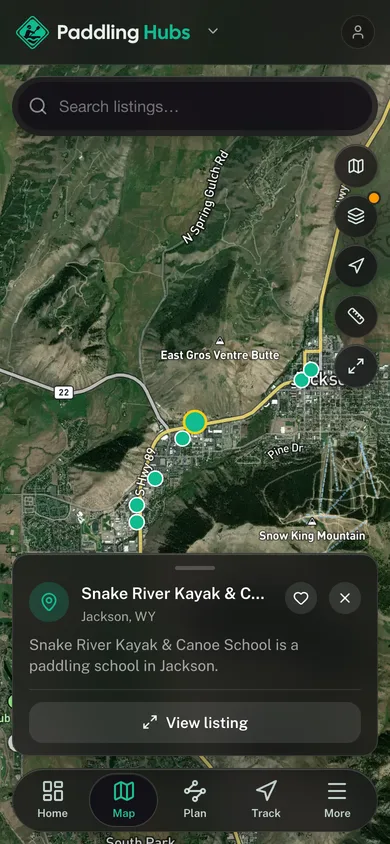
22 on the map
Tap a pin to open its profile.
Quick facts
- Rivers mapped
- 243
- Outfitters listed
- 22
- Best season
- May through October
All listings
22 outfitters
across Wisconsin

Plan your trip
Plan your trip to Wisconsin
Diverse Waters, Varied Skills
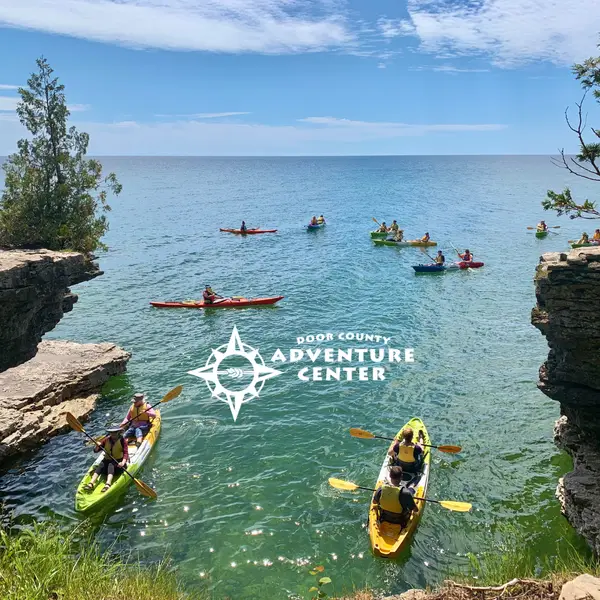
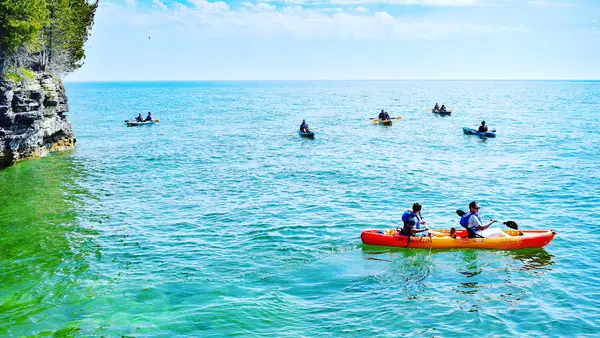
Wisconsin offers everything from tranquil lake paddling on the Chain O'Lakes to challenging Class II-IV whitewater on the Peshtigo and Wolf Rivers. Sea kayaking is popular on Lake Superior's Apostle Islands and Lake Michigan's Door Peninsula, requiring experience with large, open water conditions.
Seasonal Flow Dynamics
Whitewater rivers like the Peshtigo and Wolf are highly dependent on snowmelt in spring and rainfall throughout the year, with USGS streamflow gauges providing essential real-time data for safe navigation. Flatwater rivers and lakes are generally navigable from late spring through early fall.
Access and Logistics
Public boat launches are widely available on lakes and rivers, with many outfitters providing shuttle services for one-way river trips, especially on the Wisconsin Riverway. Always confirm put-in and take-out points and transportation arrangements when planning.
PFD and Cold-Water Safety
Wisconsin law requires a readily accessible PFD for each person on board any paddlecraft. Cold-water paddling, particularly in spring and fall or on the Great Lakes, demands appropriate immersion gear due to the risk of hypothermia, even on warm air days.
Outfitters and Services
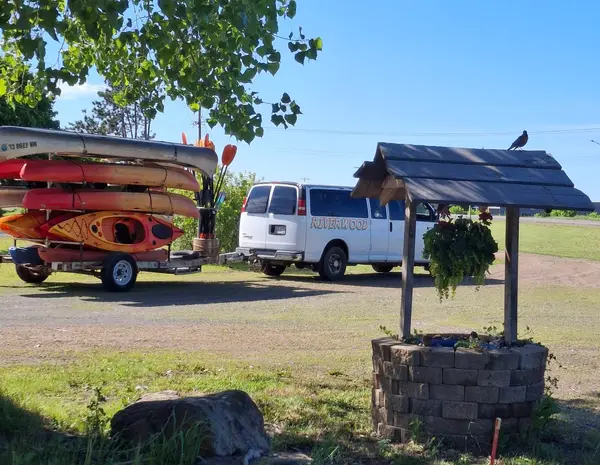
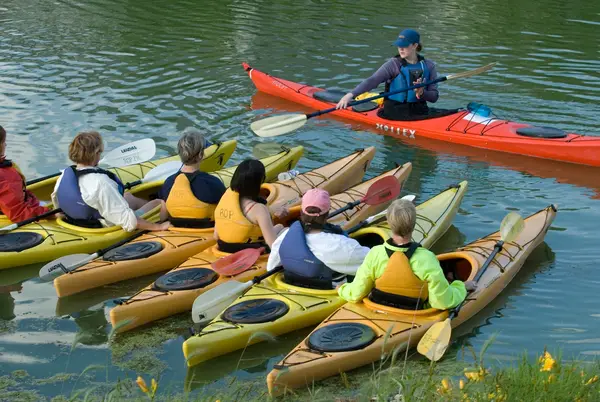
Numerous outfitters across the state provide kayak, canoe, SUP, and raft rentals, as well as guided tours and paddling lessons. These services cater to all skill levels, from beginner flatwater lessons to advanced whitewater instruction.
Confirm current requirements with the state agency before your trip. Rules and fees change every season.
Personal Flotation Device (PFD) Requirements
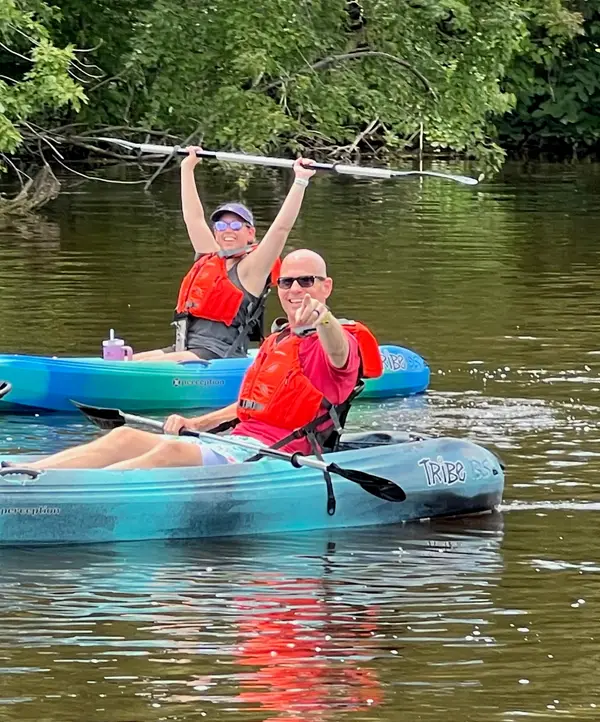
All paddlecraft users in Wisconsin must have a U.S. Coast Guard-approved wearable PFD for each person on board. Children under 13 must wear a PFD at all times when on a vessel, including paddlecraft, unless they are inside an enclosed cabin.
Boat Registration for Paddlecraft
Non-motorized kayaks, canoes, and stand-up paddleboards generally do not require state registration in Wisconsin. However, if any paddlecraft is equipped with a motor, even an electric trolling motor, it must be registered with the Wisconsin Department of Natural Resources (DNR).
Fishing License (if applicable)
If you plan to fish from your paddlecraft, a valid Wisconsin fishing license is required for anyone 16 years of age or older. Licenses can be purchased online or from authorized vendors throughout the state.
Cold Water Paddling Safety
While not a specific regulation, the Wisconsin DNR strongly advises against paddling in cold water without proper immersion protection. Water temperatures below 60°F (15°C) pose a significant hypothermia risk, and paddlers should dress for the water, not the air.
- 01
Choose Your Paddling Style and Region
Determine if you prefer flatwater, whitewater, or sea kayaking, and research which Wisconsin regions best suit your interest, considering the specific rivers, lakes, or coastal areas.
- 02
Select an Outfitter and Book Your Trip
Browse outfitters in your chosen region for rentals, guided trips, or lessons. Book in advance, especially during peak summer months, to secure your preferred dates and equipment.
- 03
Check Water Levels and Weather Forecasts
Before your trip, consult USGS streamflow gauges for river conditions or local weather for lake and coastal paddling. Be prepared for changing weather and water levels, particularly on whitewater rivers.
- 04
Prepare Essential Gear and Safety Equipment
Ensure you have appropriate clothing for the weather and water temperature, a U.S. Coast Guard-approved PFD, and any personal items like water, snacks, sunscreen, and a dry bag for valuables.
- 05
Understand Local Regulations and Practices
Familiarize yourself with Wisconsin's PFD requirements and any specific rules for the waters you plan to paddle. Respect private property and practice Leave No Trace principles.
01When is the best time for whitewater rafting in Wisconsin?
02Do I need to wear a life jacket (PFD) while paddling in Wisconsin?
03Are there beginner-friendly paddling options and lessons available?
04Can I paddle on Lake Superior or Lake Michigan safely?
05Are there multi-day paddling trips available in Wisconsin?
06Do I need a special permit to paddle on Wisconsin's state waters?
Free tools
Your free outdoor toolkit

Everything Map
Listings, trails, spots, clubs and public land on a single full-screen map. Switch layers on and off, then tap any point for the details.
Open Everything MapRiver Explorer
Explore named rivers from the USGS hydrography dataset. Filter by water type or whitewater class.
Open River ExplorerRoute Planner
Drop stops on a map and watch distance and drive time add up. Export a GPX or share the link.
Open Route PlannerPaddling Clubs
Browse local clubs with meeting info and how to join, or start your own for free.
Open Paddling ClubsPhoto ID
Point your camera at whatever you found and get a structured identification. No signup.
Open Photo IDGear Checklists
Printable, save-as-you-go packing lists. Tick items off and pull them up on your phone.
Open Gear Checklists
Keep exploring