Outfitters · Michigan
Outfitters in Michigan
Paddle 29 outfitters across Michigan. Maps, hours, contact info, photos, and verified operator profiles, all in one place.
Great Lakes shoreline longer than any state, plus the Upper Peninsula wilderness.
About Michigan
Best time to go
When to paddle in Michigan
May through October. Peak fall color late September.
- June–August: peak flatwater and wilderness canoe tripping
- Classic canoe routes (e.g. the Boundary Waters) are a summer window
- Ice governs the shoulder seasons, and the season is short
29 on the map
Tap a pin to open its profile.
Quick facts
- Rivers mapped
- 229
- Outfitters listed
- 29
- Best season
- May through October
All listings
29 outfitters
across Michigan
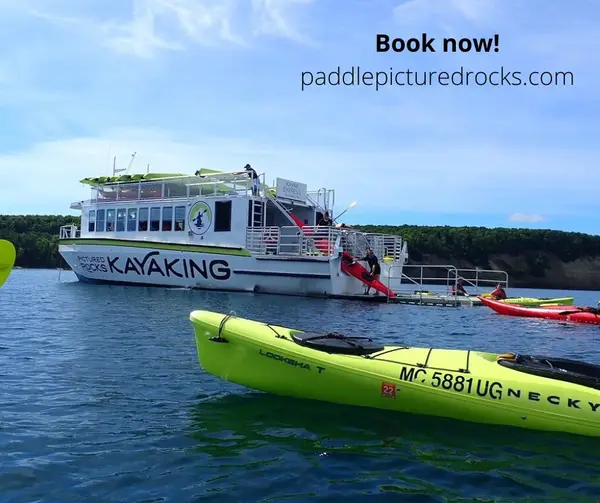
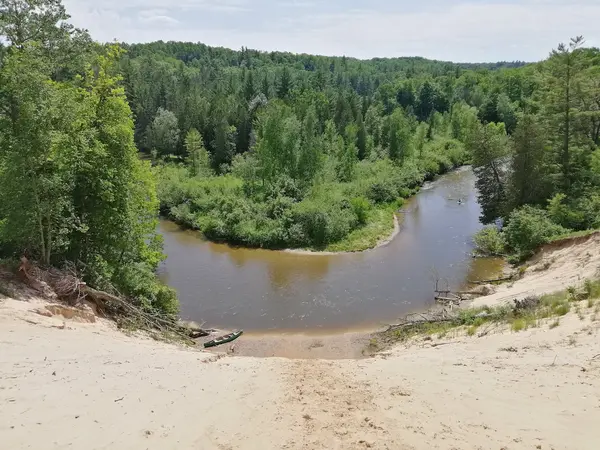
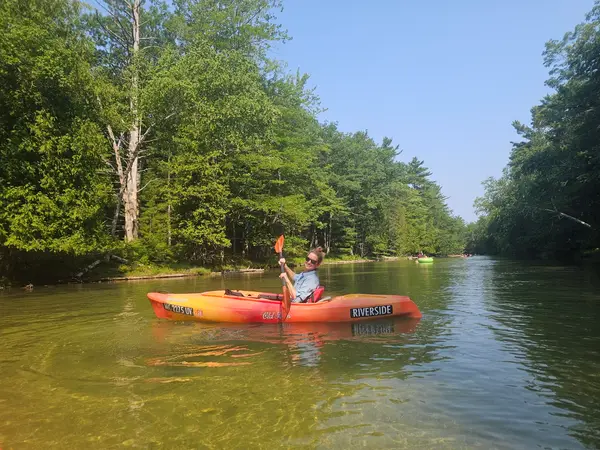
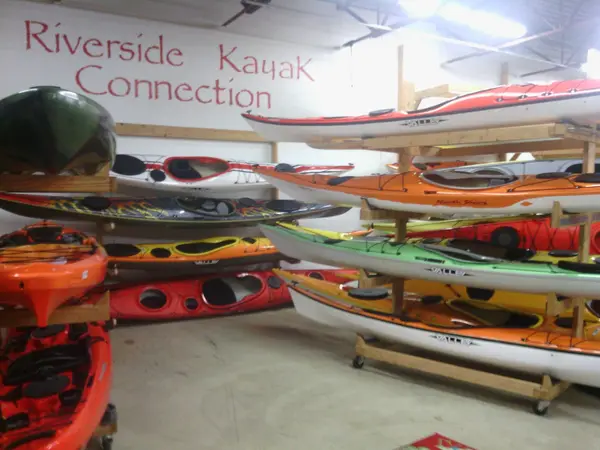
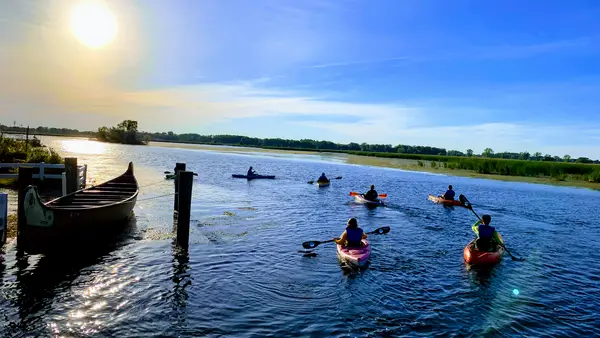
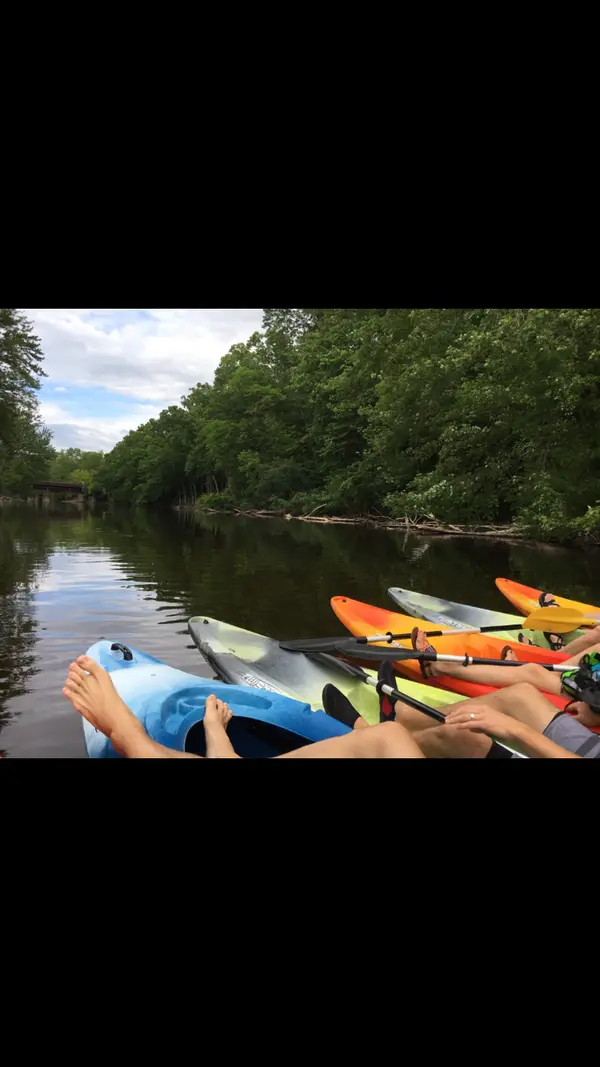
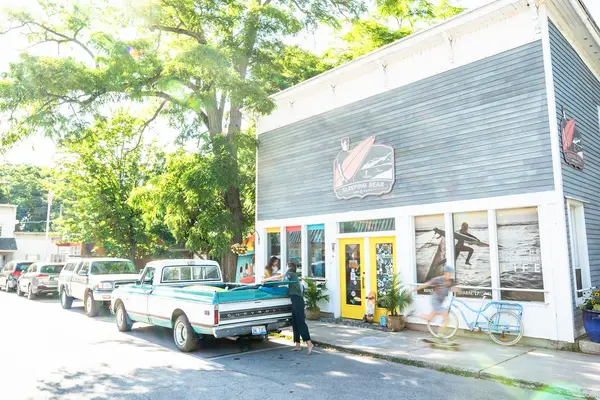
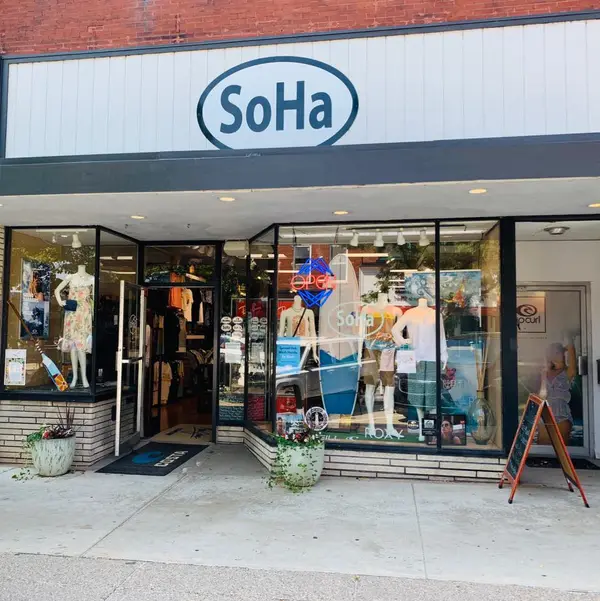
Plan your trip
Plan your trip to Michigan
Great Lakes Conditions and Safety
Paddling on the Great Lakes (Superior, Michigan, Huron, Erie) requires careful attention to weather forecasts, as conditions can change rapidly. Cold water temperatures persist even in summer, making cold-water immersion protection (wetsuits/drysuits) and PFDs essential. Always check marine forecasts before launching and be aware of strong currents and waves.
River Levels and Whitewater
Michigan's rivers, such as the Au Sable, Manistee, and Pere Marquette, offer diverse experiences from gentle floats to faster currents. Whitewater opportunities are often seasonal, typically best in spring during snowmelt. Check USGS streamflow gauges for current water levels and consult outfitters for advice on specific runs and their class ratings.
PFD Requirements and Cold Water
Michigan law requires all paddlecraft to have a U.S. Coast Guard-approved wearable personal flotation device (PFD) for each person on board. Children under 6 years of age must wear a PFD at all times when on any vessel. Additionally, during cold water periods (generally October 15 to May 15), wearing a PFD is strongly recommended for all paddlers due to increased hypothermia risk.
Put-in, Take-out, and Shuttle Logistics
Many popular river trips require shuttle arrangements between put-in and take-out points. When booking with a livery or outfitter, shuttle services are typically included or available. For independent paddlers, research public access points and plan vehicle shuttles in advance, or inquire about local shuttle services.
Rental, Guided Trip, and Lesson Availability
Outfitters throughout Michigan offer a full spectrum of services, from hourly or daily rentals of kayaks, canoes, and SUPs to guided tours on rivers, lakes, and Great Lakes coastlines. Many also provide lessons for beginners or those looking to refine specific skills like sea kayaking or whitewater paddling. Booking in advance, especially during peak season, is highly recommended.
Confirm current requirements with the state agency before your trip. Rules and fees change every season.
Personal Flotation Devices (PFDs)
All vessels, including kayaks, canoes, and stand-up paddleboards, must have a U.S. Coast Guard-approved wearable PFD for each person on board. Children under 6 years of age must wear a PFD when on any vessel. It is strongly recommended to wear a PFD at all times, especially in cold water.
Boater Education for PWC and Motorized Vessels
While not generally required for unmotorized paddlecraft, individuals born after December 31, 1978, must obtain a Michigan Boating Safety Certificate to operate a personal watercraft (PWC) or a motorized vessel. This regulation does not apply to non-motorized kayaks, canoes, or SUPs.
Invasive Species Prevention
Michigan encourages all paddlers to prevent the spread of aquatic invasive species. Before leaving any access site, remove all visible mud, plants, and aquatic organisms from your boat, trailer, and gear. Drain all water from your boat and equipment, and dry everything thoroughly before launching into another body of water.
- 01
1. Research Your Destination and Trip Type
Determine if you prefer flatwater, river paddling, or a Great Lakes coastal adventure. Research specific rivers, lakes, or coastal areas that match your desired skill level and trip duration. Consider factors like current, potential hazards, and scenic appeal.
- 02
2. Choose Your Outfitter or Launch Point
Once you have a destination, find a reputable outfitter offering rentals, guided trips, or lessons if needed. If paddling independently, identify public access points, put-in/take-out locations, and check for any required permits or fees.
- 03
3. Check Weather and Water Conditions
Always check the weather forecast, water temperatures, and river levels (via USGS gauges) immediately before your trip. Great Lakes conditions can change rapidly, and river flows impact safety and trip duration. Adjust plans as necessary.
- 04
4. Gather Essential Gear and Safety Equipment
Ensure you have a U.S. Coast Guard-approved PFD for every paddler, appropriate clothing for the water temperature (including cold-water immersion protection if needed), water, snacks, sun protection, and a communication device. A dry bag is recommended for valuables.
- 05
5. Understand Local Regulations and Leave No Trace
Familiarize yourself with Michigan's PFD laws, invasive species prevention guidelines, and any specific rules for your chosen paddling area. Practice Leave No Trace principles by packing out all trash and respecting wildlife and private property.
01Do I need a permit to paddle on Michigan's rivers or lakes?
02What are the best rivers for multi-day canoe or kayak trips?
03Is whitewater rafting available in Michigan?
04Are there opportunities for sea kayaking on the Great Lakes?
05What safety precautions should I take when paddling in Michigan?
06Can I rent paddling equipment or take lessons in Michigan?
Free tools
Your free outdoor toolkit

Everything Map
Listings, trails, spots, clubs and public land on a single full-screen map. Switch layers on and off, then tap any point for the details.
Open Everything MapRiver Explorer
Explore named rivers from the USGS hydrography dataset. Filter by water type or whitewater class.
Open River ExplorerRoute Planner
Drop stops on a map and watch distance and drive time add up. Export a GPX or share the link.
Open Route PlannerPaddling Clubs
Browse local clubs with meeting info and how to join, or start your own for free.
Open Paddling ClubsPhoto ID
Point your camera at whatever you found and get a structured identification. No signup.
Open Photo IDGear Checklists
Printable, save-as-you-go packing lists. Tick items off and pull them up on your phone.
Open Gear Checklists
Keep exploring