Outfitters · California
Outfitters in California
Paddle 28 outfitters across California. Maps, hours, contact info, photos, and verified operator profiles, all in one place.
Coastline, Sierras, deserts, and redwoods. Every outdoor environment in one state.
About California
Best time to go
When to paddle in California
Year-round. Conditions vary dramatically by region.
- June–August: prime coastal sea kayaking, calmer and drier
- Winter rain keeps rivers running when the snowmelt regions are frozen
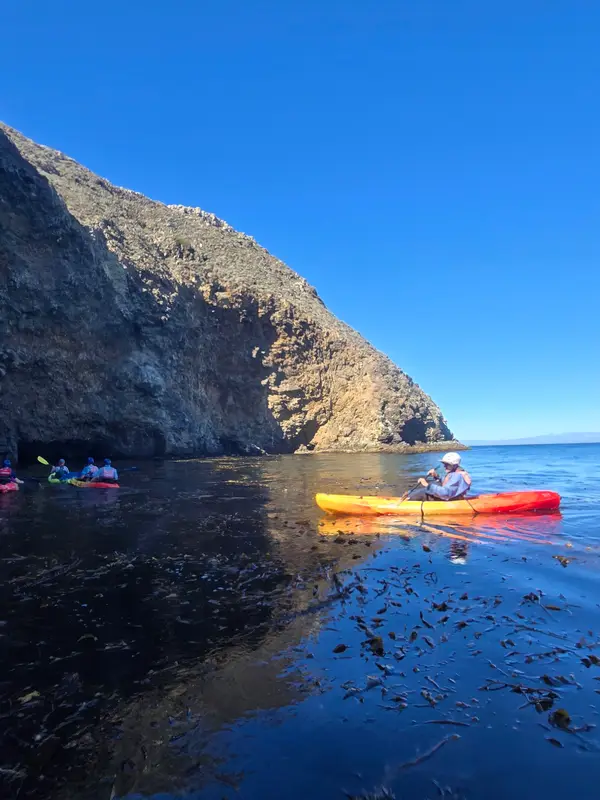
- Cold Pacific water year-round, immersion gear on the coast too
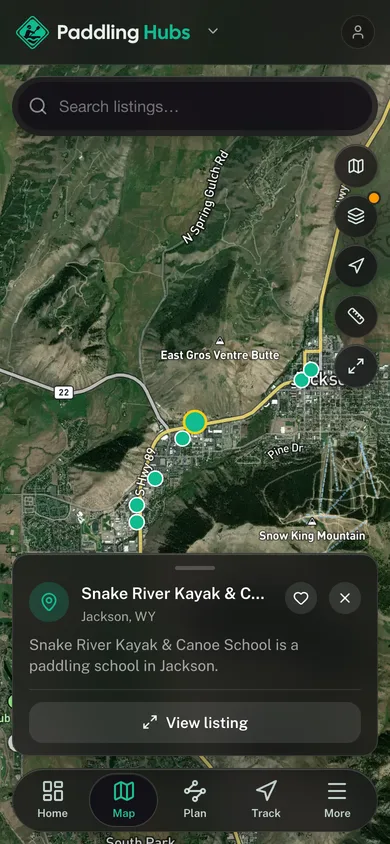
28 on the map
Tap a pin to open its profile.
Quick facts
- Rivers mapped
- 316
- Outfitters listed
- 28
- Best season
- Year-round
All listings
28 outfitters
across California

Plan your trip
Plan your trip to California
Water Levels and Seasonal Flow
California's whitewater rivers are highly dependent on snowmelt and dam releases. The best time for whitewater rafting and kayaking is typically late spring through early summer. Always check USGS streamflow gauges and dam release schedules for current conditions, as flows can change rapidly and significantly impact safety and trip feasibility. Flatwater lakes and coastal areas generally offer more consistent conditions year-round, with seasonal variations in weather.
Essential Safety Gear and Cold Water
Always wear a U.S. Coast Guard-approved Personal Flotation Device (PFD). California law requires all paddlecraft to carry a PFD for each person on board, and children 12 and under must wear one at all times. Many of California's waters, including alpine lakes and coastal areas, remain very cold even in summer. Dress for immersion, consider wetsuits or drysuits, and understand the risks of hypothermia.
Access, Permits, and Invasive Species
Access to many popular paddling destinations, especially within State Parks, National Forests, and National Recreation Areas, may require day-use fees or permits. California has strict regulations to prevent the spread of invasive species like Quagga and Zebra Mussels. Many lakes and reservoirs require self-certification or mandatory inspections for all vessels, including paddlecraft. Check specific site requirements before launching.
Outfitters, Rentals, and Guided Trips
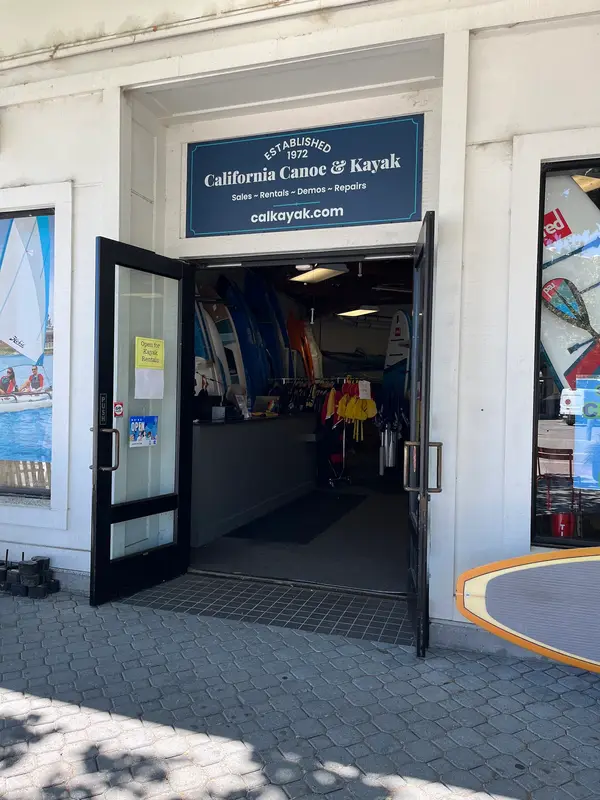
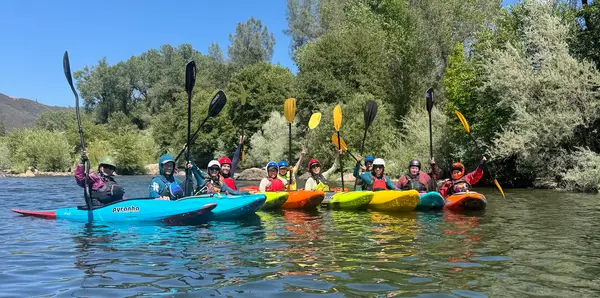
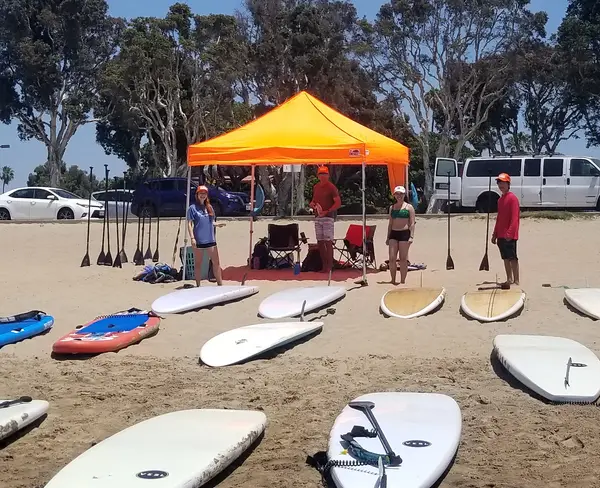
California boasts a robust network of paddling outfitters. These businesses offer a wide range of services, including kayak, canoe, and SUP rentals, guided flatwater tours, multi-day sea kayaking expeditions, and whitewater rafting trips for various skill levels. Many also provide lessons for beginners in both flatwater and whitewater disciplines, making it easy to get started or advance your skills. Booking in advance, especially during peak season, is highly recommended.
Whitewater Class Ratings and Notable Runs
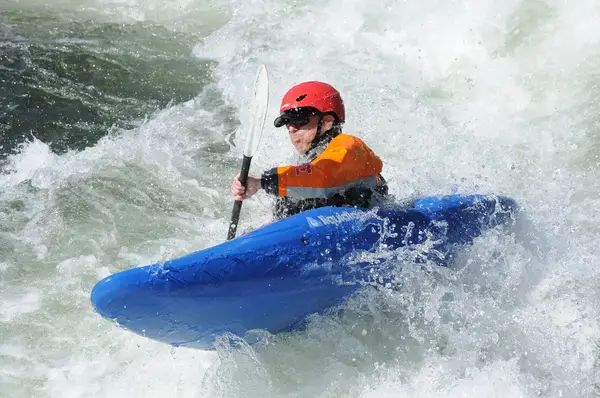
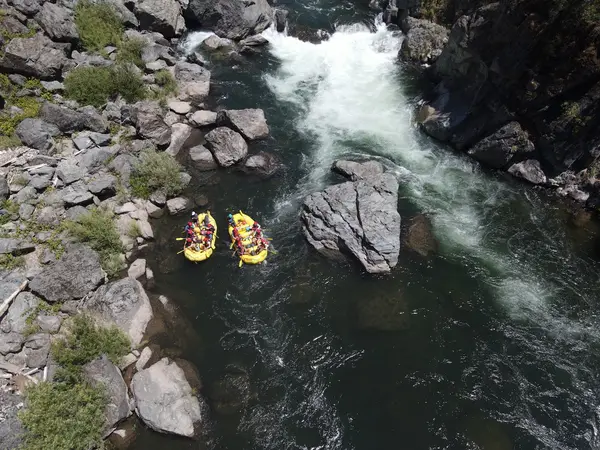
California's whitewater rivers are rated from Class I (easy) to Class V (expert). Iconic runs include the South Fork American River (Class II-III), popular for its accessible rapids, and the more challenging Forks of the Kern (Class IV-V). The Tuolumne River offers a classic Class IV experience. Always choose runs appropriate for your skill level and consider guided trips for more challenging waters, as hazards like strainers and hydraulics can be significant.
Confirm current requirements with the state agency before your trip. Rules and fees change every season.
Personal Flotation Devices (PFDs)
California law mandates that all paddlecraft, regardless of length, must carry a U.S. Coast Guard-approved PFD for each person on board. Children 12 years of age and under are required to wear a PFD at all times when on a recreational vessel, including paddlecraft, unless they are in an enclosed cabin or below deck. It is highly recommended that all paddlers wear their PFD while on the water.
Boating Under the Influence (BUI)
Operating any vessel, including paddlecraft, while under the influence of alcohol or drugs is illegal in California. BUI laws are similar to DUI laws for motor vehicles, with severe penalties including fines, imprisonment, and suspension of boating privileges. Law enforcement actively patrols waterways to ensure compliance with BUI regulations.
Aquatic Invasive Species Prevention
California has stringent regulations to prevent the spread of aquatic invasive species, particularly Quagga and Zebra Mussels. Many bodies of water, especially lakes and reservoirs, require mandatory inspections or self-certification prior to launching any vessel, including kayaks, canoes, and SUPs. Failure to comply can result in fines and denial of access. Always clean, drain, and dry your vessel and gear after each use.
California Department of Fish and Wildlife
- 01
Define Your Paddling Experience
Determine your preferred paddling style: exhilarating whitewater, serene flatwater on lakes or bays, or adventurous sea kayaking. Consider your skill level and comfort with water conditions, as California offers options from beginner-friendly to expert-only.
- 02
Research Location and Conditions
Identify specific rivers, lakes, or coastal areas that align with your desired experience. For whitewater, check seasonal flows and dam release schedules. For all locations, consult weather forecasts and verify any specific access requirements or permits needed for your chosen destination.
- 03
Choose an Outfitter or Guide
For rentals, guided trips, or lessons, research and select a reputable outfitter in your chosen region. They can provide equipment, local expertise, safety briefings, and transportation for shuttle services, significantly enhancing your experience and safety.
- 04
Prepare Your Gear and Safety Plan
Ensure you have appropriate paddling gear, including a U.S. Coast Guard-approved PFD, and dress for immersion, especially in cold waters. Inform someone of your float plan and expected return time. Understand basic self-rescue techniques and emergency procedures.
01What is the best time of year to go paddling in California?
02Do I need a permit to paddle a kayak or SUP in California?
03Are life jackets (PFDs) required for paddlers in California?
04Can I paddle year-round in California?
05What's the difference between flatwater and whitewater trips offered by outfitters?
06How do I prevent the spread of invasive species when paddling?
Watch & learn
Watch & learn, California
Kayaking Sea Caves, Coastal Hikes, Whales and More on Channel Islands National Park
California Through My Lens
0Senders EP06 | Hiking to kayaking paradise in California!
Senders
0Rockfish Fishing in my Kayak on the California Coast
Die Hard Fishing
0
Free tools
Your free outdoor toolkit

Everything Map
Listings, trails, spots, clubs and public land on a single full-screen map. Switch layers on and off, then tap any point for the details.
Open Everything MapRiver Explorer
Explore named rivers from the USGS hydrography dataset. Filter by water type or whitewater class.
Open River ExplorerRoute Planner
Drop stops on a map and watch distance and drive time add up. Export a GPX or share the link.
Open Route PlannerPaddling Clubs
Browse local clubs with meeting info and how to join, or start your own for free.
Open Paddling ClubsPhoto ID
Point your camera at whatever you found and get a structured identification. No signup.
Open Photo IDGear Checklists
Printable, save-as-you-go packing lists. Tick items off and pull them up on your phone.
Open Gear Checklists