Stand-up paddleboarding has become the fastest-growing segment of recreational paddling, and for good reason. Unlike kayaking or canoeing, SUP offers a lower barrier to entry, superior visibility, and a full-body workout that attracts beginners and fitness enthusiasts alike. But where you paddle matters enormously, flatwater lakes demand different skills and gear than coastal bays, and river SUP requires reading flow and understanding current management that quiet water doesn't teach. This guide covers the best SUP destinations across the US, broken down by water type and skill level, so operators, schools, and enthusiasts can match their audience to the right water and season.
Flatwater Lakes for Beginners
Flatwater is where most SUP stories begin, and for good reason. Calm lake water forgives paddle mistakes, lets paddlers focus on balance and technique, and rarely surprises. The Great Lakes (Superior, Michigan, Huron, Erie, and Ontario), offer vast flatwater, though Superior and Michigan demand respect for wind and fetch. Many liveries operate out of protected bays and coastal harbors instead of open water, reducing risk and keeping sessions beginner-friendly.
Western lakes offer reliable conditions year-round in many locations. Lake Tahoe sits at about 6,225 feet and delivers crystalline water but demands attention to weather and sudden wind; its best SUP paddling happens in calm morning hours before afternoon thermals kick up. Utah–Arizona reservoirs like Lake Powell offer long, protected arms to launch from, though lake levels and ramp access shift with drought, check current NPS Glen Canyon conditions, and afternoon wind and storms are a real hazard. Florida's Gulf coast has warm, calm inshore lakes and slow bayous that attract winter paddlers seeking reliably comfortable water and long seasons.
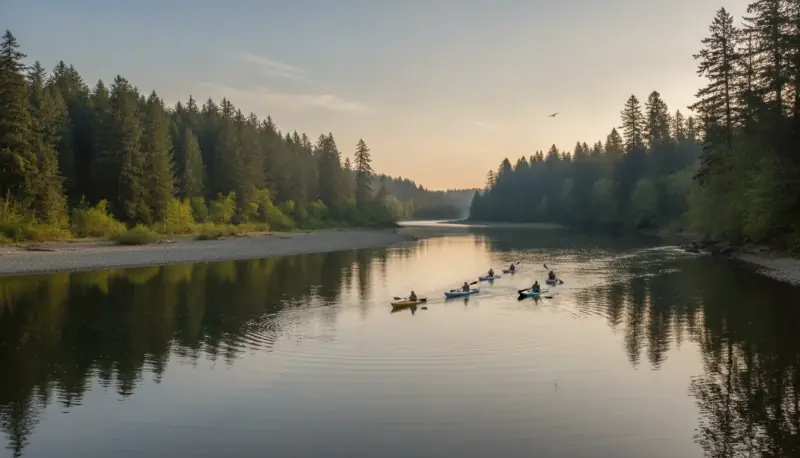
Key operator priorities for flatwater sites include access (paved ramps, parking, nearby rentals), shallow launch zones (sandy, gradual slopes beat rocky banks), protected exposure (wind-shadow coves reduce anxiety), and clear water (visibility aids confidence). Cold-water lakes demand PFD use year-round, even for experienced paddlers, hypothermia risk persists in northern reservoirs, so many operators enforce winter closures or cold-water protocols. Launch conditions matter more than distance; a two-mile paddle on glassy water beats a ten-mile run in afternoon wind chop.
Rivers for SUP: Reading Current and Flow
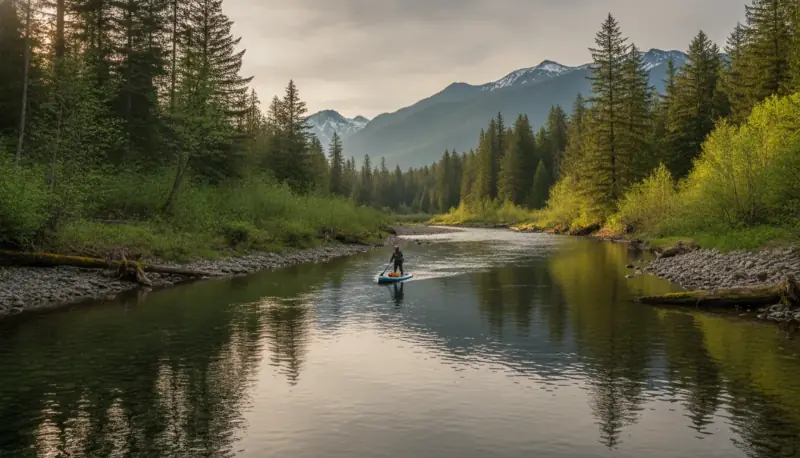
River SUP sits between flatwater and whitewater, and requires different judgment. Current-based paddling demands reading water, understanding USGS flow gauges, and steering in moving water, skills flatwater never teaches. Most river SUP happens on Class I–II sections with moving current but few obstructions, though some paddlers venture into mild Class II with proper training and guide support.
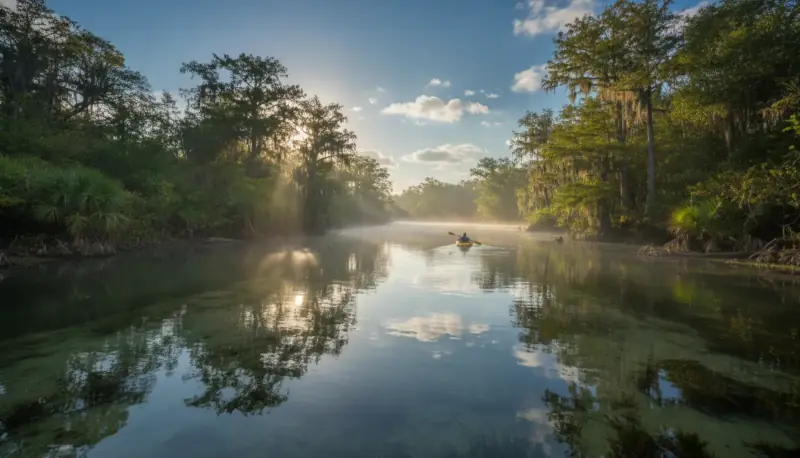
River SUP works best on sections with predictable gradient and minimal obstacles: gentle, consistent flow over sandy beds rather than boulder-choked channels or sudden drops. The Colorado River below major dams offers controlled release schedules that operators can time; many commercial outfitters offer multi-day SUP floats in spectacular canyon sections. The Delaware River between New Jersey and Pennsylvania provides live current in a less technical setting, drawing both liveries and private groups. The Chattahoochee in Georgia and Suwannee in Florida offer warm water and managed flows for southern operators.
Operators rely on USGS gauges to assess paddlability. High water complicates current management and creates hazards; low water exposes obstacles and reduces glide. Most river SUP operations maintain a target flow window, typically moderate to low-moderate, that balances ease of exit with authentic current paddling. Seasonal flooding from snowmelt or heavy rains may close sections for weeks. A critical difference from flatwater: paddlers cannot stay in one place. Current carries the group downstream, demanding continuous attention to speed and position. Operators typically limit group size, require PFDs, and pre-run routes before launching guests to identify hazards and teach eddy turns.
Coastal and Bay SUP: Wind, Tides, and Salt Water
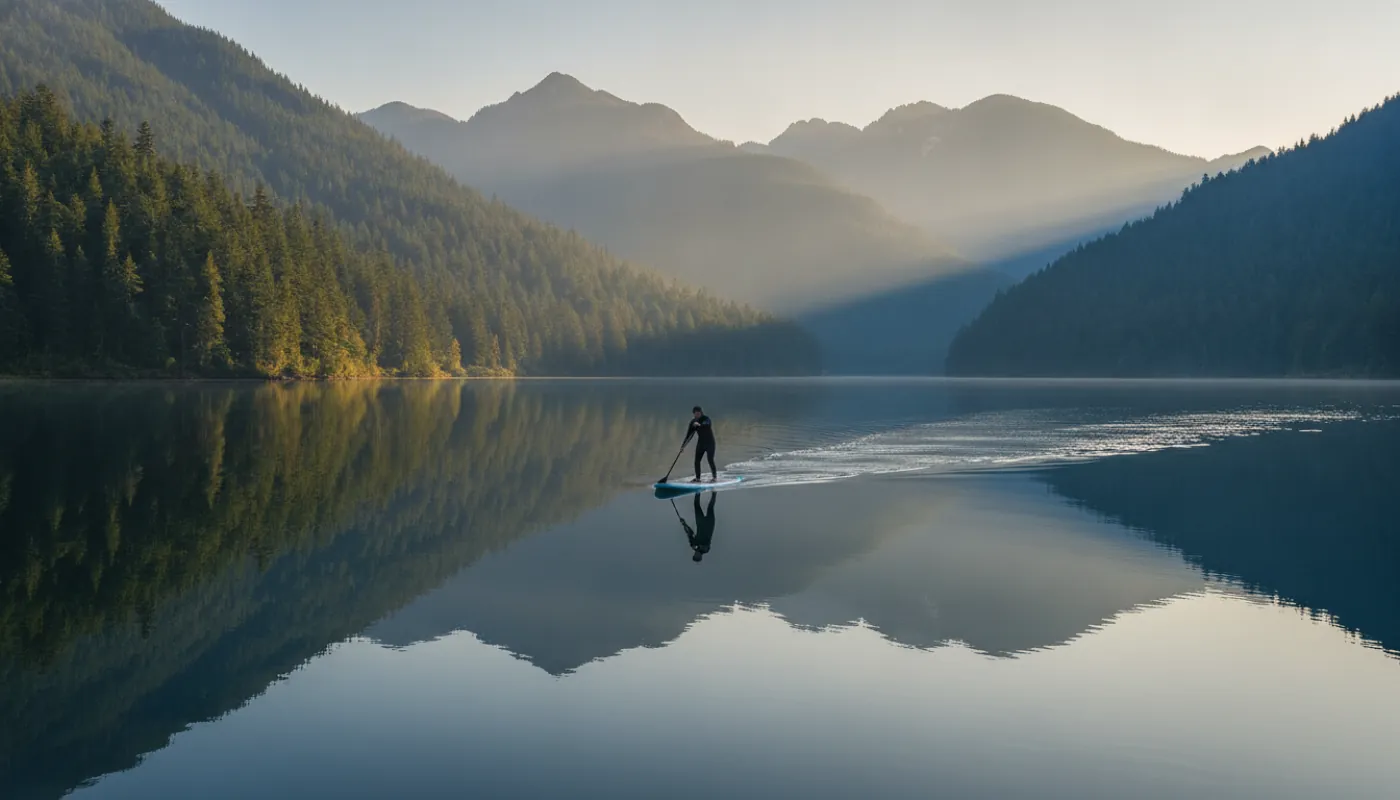
Coastal SUP opens a new geography: tidal flats, estuaries, and protected bays where ocean water remains shallow and manageable. Unlike lakes, coastal water moves with tide cycles, and wind patterns shift by region and season. Paddlers learn to read wind forecasts, time tidal windows, and paddle in slightly colder water conditions than inland lakes.
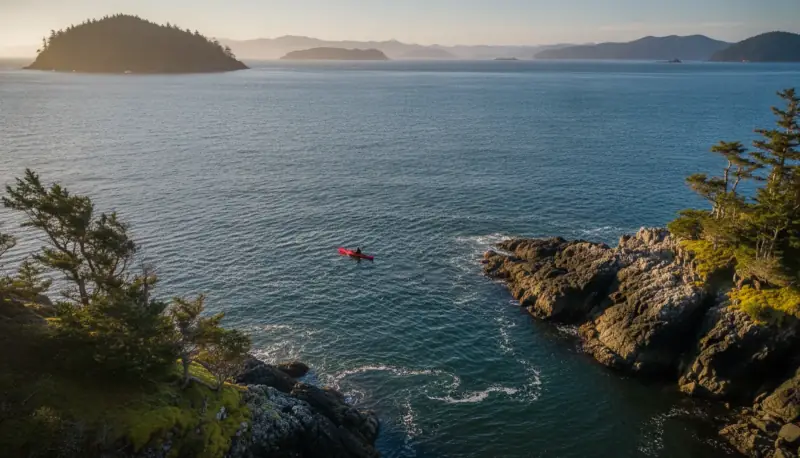
West Coast options include San Francisco Bay with protected North Bay paddling among marshlands, the San Juan Islands where calm-water passes offer whale-watching and remote island access, and Southern California's bays and lagoons. East Coast paddlers find ideal winter SUP in Charleston Harbor and Beaufort Sound, where water temperatures remain tolerable and tidal ranges are moderate. Pacific Northwest coastal rivers like the Columbia River estuary blend current and tide management, rewarding paddlers who read both water types.
Coastal water is colder year-round in northern regions, making PFD wear non-negotiable, immersion in cold salt water accelerates hypothermia, and rescue from open water takes longer than lake rescue. Tide timing matters significantly; launching at slack tide or incoming tide keeps paddlers closer to shore, while outgoing tide can carry boats offshore if attention lapses. Operators enforce strict weather windows (typically wind-speed caps of 10–15 mph maximum), clear communication protocols, and group-size limits that allow rapid assistance if fatigue or cold-water symptoms emerge.
Mountain and High-Altitude Lakes
Mountain lakes offer dramatic scenery, wildlife, and isolation, but demand respect for altitude, weather, and seasonal accessibility. Lakes above 7,000 feet present thinner air, colder water, and unpredictable afternoon weather that can shift from calm to hazardous in minutes. Colorado's high-country lakes, Utah–Wyoming reservoirs like Flaming Gorge, and Washington's volcanic lakes attract paddlers seeking pristine alpine water and canyon views.
Operators scheduling high-elevation SUP must account for shorter season windows. Many high-elevation lakes remain iced over into June or July, and heavy-snow years can delay ice-out further. Check current conditions with the managing land agency (USFS, NPS, or state parks); early-season runoff raises water level and chills temperatures further. Paddlers arriving from lower elevations experience altitude effects (reduced oxygen, faster fatigue, diminished judgment), so guides typically recommend acclimatization days and conservative paddling plans. Weather at altitude is notorious for rapid change; a clear morning can become an afternoon thunderstorm, wind event, or hail scenario in hours. Operators maintain strict turnaround times and abort-mission protocols; many impose afternoon-only closures or sunset paddling caps.
Hypothermia risk remains high even in summer: high-altitude lakes stay cold, often well into the 50s even in mid-summer, and immersion is dangerous year-round. Wildlife encounters (moose, bears, eagles) happen in mountain zones; operators brief paddlers on distance maintenance and make-noise protocols. Access typically requires seasonal shuttle services or full summer-season operation windows.
Cold-Water Safety, PFD Standards, and Season Planning
Cold water is the invisible killer in SUP. The US Coast Guard and cold-water-safety organizations now flag water below 70°F (21°C) as cold enough to trigger cold-shock and rapid incapacitation, much warmer than most paddlers assume. A useful frame is the 1-10-1 rule: about 1 minute of cold-shock gasping, roughly 10 minutes of useful movement before your muscles fail, then progressive hypothermia over the next hour, which is exactly why a worn PFD is life-saving. Many American paddling waters fall into this category for most of the year, yet casual paddlers and some operators downplay PFD wear or water-temperature briefings based on air temperature alone.
PFD standards vary by context, but best-practice operators enforce non-negotiable PFD wear regardless of swimming ability, water temperature, or perceived hazard. Coastal operators especially mandate a Coast Guard–approved PFD suited to paddlesports (Type III or V under the old classification, or the equivalent Level 70 under the current label system), since offshore rescue takes longer and water is colder. Seasonal windows matter critically: northern lakes may be paddleable only June through September; high-mountain reservoirs open even later and close early. Southern lakes and bays offer year-round SUP but demand cold-water protocols in winter months using immersion suits and short session windows. USGS flow gauges are non-negotiable for river SUP; operators check current levels before launching and respect gauge readings as the authority on paddlability. A final discipline: inexperienced paddlers often underestimate distance, fatigue, and wind shifts. Operators maintain conservative speed estimates, short trip lengths for newcomers, and group-size caps that allow rapid assistance if someone becomes exhausted or cold. Respect water, enforce gear standards, and season decisions around weather and water temperature, not around paddler enthusiasm.