The Pacific Coast is not one paddling environment, it is a stack of them, layered from the kelp-lined bays of Baja to the tide-ripped channels of the Salish Sea. The water is cold almost everywhere. The exposure runs from sheltered island lees to open swell that has crossed thousands of miles unopposed. If you are choosing where to paddle a sea kayak on this coast, you are really choosing which combination of temperature, wind, current, and self-rescue distance you are prepared to handle.
Below is a short list of the destinations we send paddlers to most often, organized roughly north to south, with honest notes on what each place actually asks of you. None of these are secrets. All of them reward preparation and punish complacency.
What "best" means on this coast
Ranking sea kayaking destinations by scenery alone is how people get in trouble. A more useful frame is match, does the water match the paddler?
Three variables matter more than the rest:
- Water temperature. Most of the Pacific Coast sits in a range that will incapacitate an unprotected swimmer in minutes, not hours. A wetsuit is a minimum in summer south of Point Conception; a drysuit is the honest answer almost everywhere else, most of the year. If the phrase "cold shock response" is unfamiliar, read up before you plan a trip.
- Wind and swell exposure. Sheltered inland waters (the San Juans, Puget Sound coves, protected Baja bays) let a competent beginner have a real trip. Outer coast (Big Sur, the Lost Coast, the Olympic outer coast) is committing paddling: long stretches without exits, surf launches and landings, and forecast windows measured in hours.
- Current. The Pacific Northwest is a tidal environment. Currents in some passages exceed what most paddlers can make headway against. This is not a Southeast flatwater story; slack water tables are trip-planning documents, not optional reading.
If you're new to sea kayaking, start on protected water with an instructor, a guided day out of a reputable outfitter is worth more than a season of solo experimenting. Our Skills & Lessons coverage exists for exactly that reason.
The Pacific Northwest: San Juan Islands and the Salish Sea
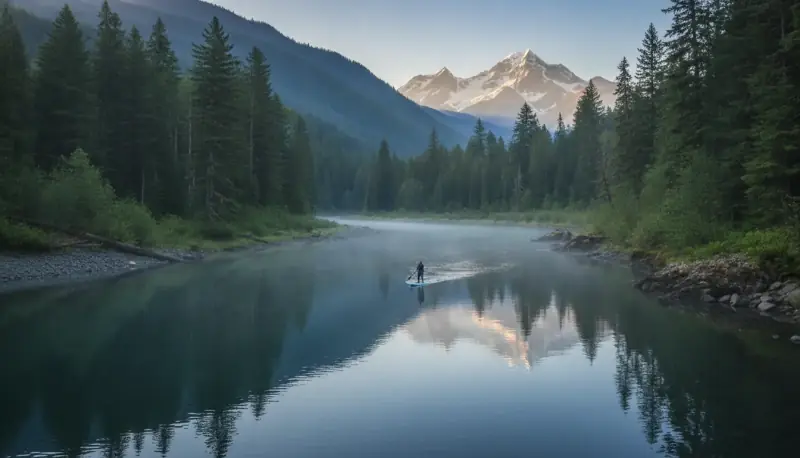
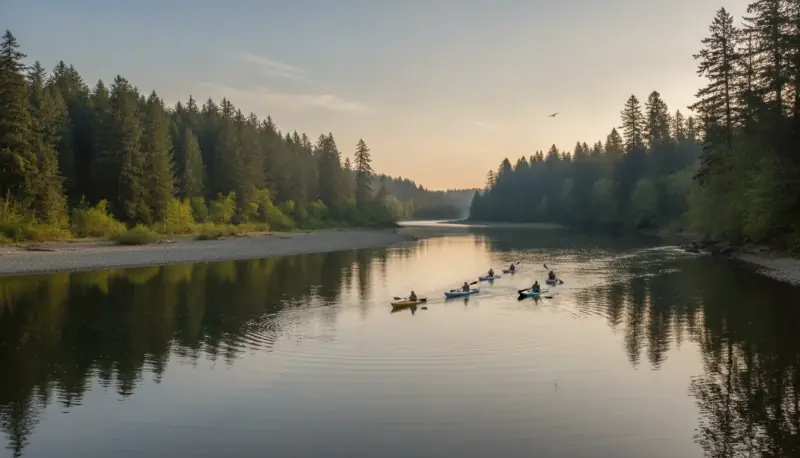
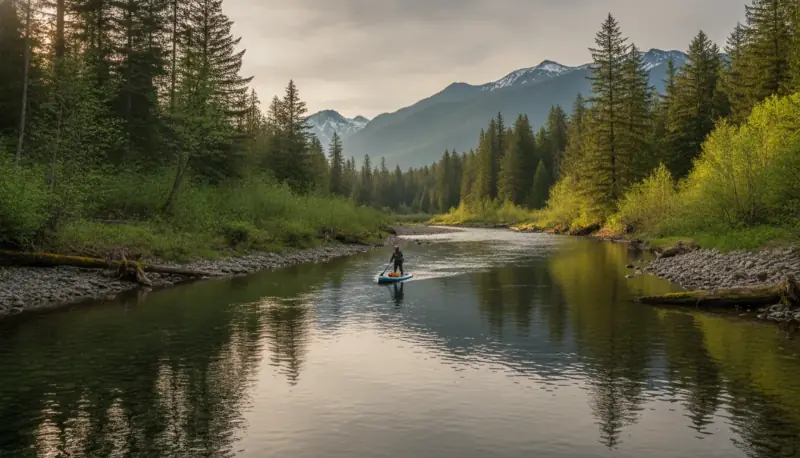
The San Juan Islands are the reason a lot of paddlers get into sea kayaking in the first place. Sheltered water between islands, calm mornings, a real chance of seeing orcas from your boat, and a dense network of outfitters who run half-day, full-day, and multi-day trips.
The catch is that "sheltered" is relative. Crossings between islands cross tidal streams that can run fast, and the wind can build in the afternoon on a channel that was glass at breakfast. This is a place to go with a guide until you can read a current atlas, or to stick to the very short paddles from launch beaches on the west sides of San Juan and Orcas.
What to expect
- Cold water year-round. Summer surface temperatures do not make this a swimsuit paddle.
- Real wildlife: harbor seals, porpoises, and orcas in season. Regulations require vessels, including kayaks, to keep a legal distance (1,000 yards in Washington waters) from Southern Resident killer whales; the binding rule is Washington state law, so check WDFW and NOAA Fisheries before you go.
- A working ferry system. Plan your paddling around ferry schedules if you're bringing a boat from the mainland.
Best fit
Beginners with a guide; intermediates comfortable with tides, ferry traffic, and cold-water self-rescue.
Puget Sound and the Washington outer coast
Puget Sound proper offers a lifetime of paddling within an easy drive of Seattle: day trips out of Alki, Blake Island circumnavigations, the south sound's quieter fingers. It is a training ground, not a set of postcards. The reward is that a paddler who logs real hours here becomes genuinely competent.
The Washington outer coast is a different animal. Cape Alava, Shi Shi, and the Olympic wilderness coast are among the most beautiful multi-day sea kayak trips in North America and among the most committing. Surf landings on cobble and sand beaches, fog, and long unbroken stretches without a bail-out road make this expedition paddling. Do not confuse it with the San Juans.
The Oregon coast
Oregon does not have the sheltered inland archipelago Washington does. Its sea kayaking is either estuary and bay paddling (Nehalem, Netarts, Coos Bay, the lower Columbia) or genuine outer-coast work.
Estuary paddling on Oregon's bays is underrated: wildlife-rich, close to launch access, and forgiving when the ocean is not. It is a good place to build coastal skills without being fully exposed. The outer coast is heavy: consistent swell, cold water, wind, and few places to land safely between headlands. Pick your day and your outfitter carefully.
Northern California: Mendocino, Point Reyes, and the sea caves
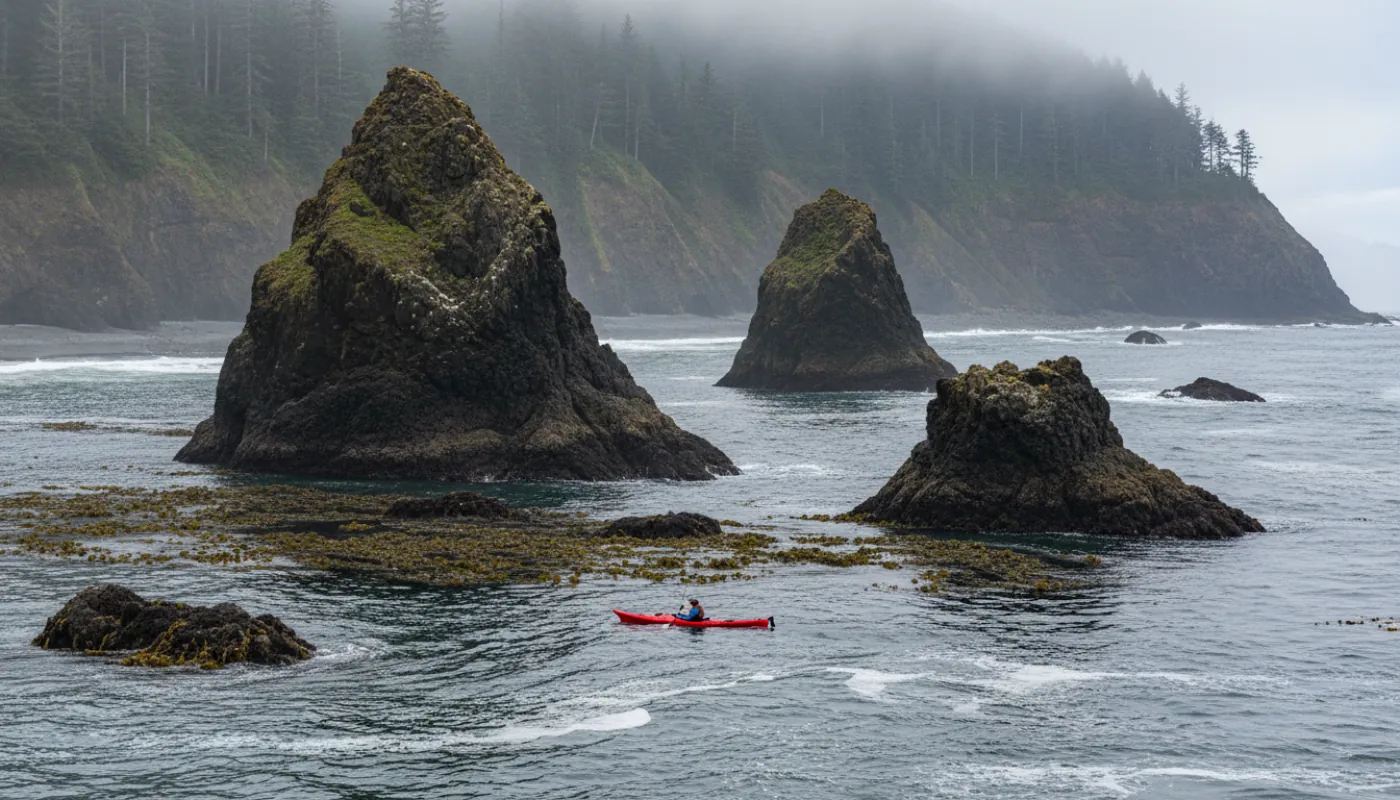
Northern California sea kayaking is defined by rock gardens and sea caves. Mendocino and the coastline north of San Francisco offer some of the most technically interesting rock-garden paddling anywhere: threading kelp beds, riding surge into and out of caves, timing sets between rocks.
This is not a beginner discipline. Rock gardening is where sea kayaking meets surf kayaking, and it demands surf zone comfort, a reliable roll, and the judgment to know when a cave you can enter you cannot get back out of on the wrong swell. Go with an instructor. Multiple reputable outfitters run rock-garden clinics on this coast in the summer and early fall.
Point Reyes and Tomales Bay to the south are gentler. Tomales in particular is one of the best places on the coast to introduce a newer paddler to real sea kayaking: long, protected, wildlife-heavy, and easily reached from the Bay Area.
Monterey Bay to Big Sur
Monterey Bay is the friendliest big-name Central California destination. Elkhorn Slough at the north end of the bay is calm, sheltered, and full of sea otters, one of the few places in the country where a kayak trip is defined by the wildlife it delivers on almost every launch. Rental and guiding infrastructure is mature.
Monterey itself, off Cannery Row, is a step up in exposure but still manageable in reasonable conditions, with kelp forests and the same sea otter population.
Big Sur is another story. The Big Sur coast is committing outer coast, with limited launch and landing options and swell that regularly closes the doors on paddling entirely. When it goes, it is spectacular. Most of the time, it is not on. Plan flexibly.
Southern California: the Channel Islands
The Channel Islands National Park is the marquee Southern California trip. Santa Cruz Island in particular has sea caves and coves that rival anywhere on the coast, and the crossing from the mainland is short enough to make guided multi-day trips accessible.
Water is meaningfully warmer here than up north, but "warmer" is still cold enough that a wetsuit is standard practice. The park has camping and permitting rules that shift; consult the National Park Service page for the park as your first planning stop. Concessioner outfitters run trips out of Ventura and offer packaged transportation.
Baja California Sur
The Sea of Cortez, on Baja's east side, is the warm-water outlier and one of the great sea kayaking destinations in the world. Loreto and the surrounding islands (Danzante, Carmen, Coronado) offer a classic multi-day experience: camping on empty beaches, snorkeling off your boat, and paddling in water that is genuinely tropical for months of the year.
Baja is not without hazards (offshore wind, isolation, medical distance, water logistics), but the conditions are forgiving compared to the rest of this list, and it is where many North American paddlers take their first real expedition trip. Reputable outfitters have run trips here for decades; go with one before going independent.
Choosing where to start
The table below is a rough sort of the destinations above by exposure and skill fit. Treat it as a first cut, not gospel.
| Destination | Exposure | Water temp | Beginner-with-guide? |
|---|---|---|---|
| San Juan Islands | Sheltered w/ tidal current | Cold | Yes |
| Puget Sound coves | Sheltered | Cold | Yes |
| WA outer coast | Committing | Cold | No |
| Oregon bays | Sheltered | Cold | Yes |
| Oregon outer coast | Committing | Cold | No |
| Mendocino rock gardens | Committing / surf | Cold | No |
| Tomales Bay | Sheltered | Cold | Yes |
| Elkhorn Slough | Sheltered | Cool | Yes |
| Big Sur | Committing | Cold | No |
| Channel Islands | Moderate | Cool | Yes, with outfitter |
| Sea of Cortez (Baja) | Moderate | Warm (seasonal) | Yes, with outfitter |
Pre-trip essentials, wherever you go
The gear list changes with the destination, but a short set of non-negotiables travels with every trip on this coast:
- Immersion protection matched to the water (wetsuit at a minimum; drysuit for most of the coast most of the year).
- A PFD you actually wear, not one lashed to the deck.
- A reliable spray skirt, paddle float, and bilge pump, and practice using them before you need them.
- A VHF radio if you are going anywhere near open water. A phone is not a substitute.
- The current forecast from a reputable source. NOAA's marine forecasts are the baseline; local knowledge from a good outfitter is the layer on top.
- A float plan left with someone on shore.
If you are just getting started, the honest recommendation is to book a guided day with a reputable outfitter in whichever region you're closest to. You will learn more in one instructed session on real water than in a season of reading, and you will make better choices about which of the destinations above deserves to be next on your list. Find nearby options through our operator directory or reach out to a local paddling club, both routes work.
The Pacific Coast is generous to prepared paddlers and unforgiving to unprepared ones. Match the water to your skills, err toward the sheltered end of the list until you have logged real hours in cold conditions, and treat the outer coast as a destination you grow into rather than one you start with.