Outfitters · Alabama
Outfitters in Alabama
Paddle 21 outfitters across Alabama. Maps, hours, contact info, photos, and verified operator profiles, all in one place.
Gulf coast, river deltas, and pine-belt forests stretching to the Tennessee border.
About Alabama
Best time to go
When to paddle in Alabama
October through May. Coastal heat and humidity peak in summer.
- March–May: warm water plus peak Appalachian whitewater
- October–November: cool, calm, prime flatwater and coastal touring
- Summer: go early to beat the afternoon thunderstorms
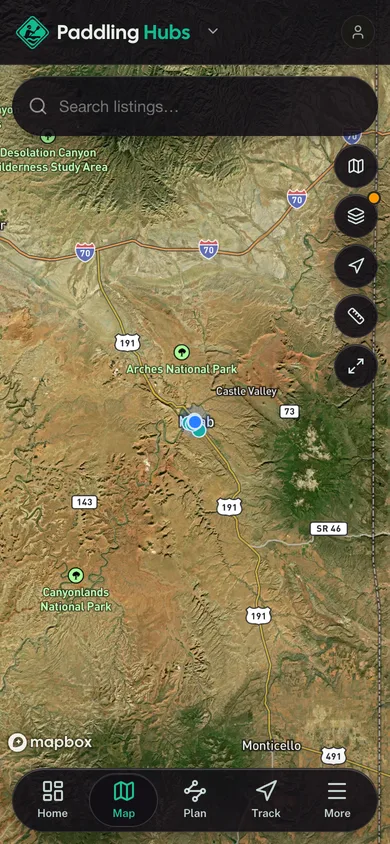
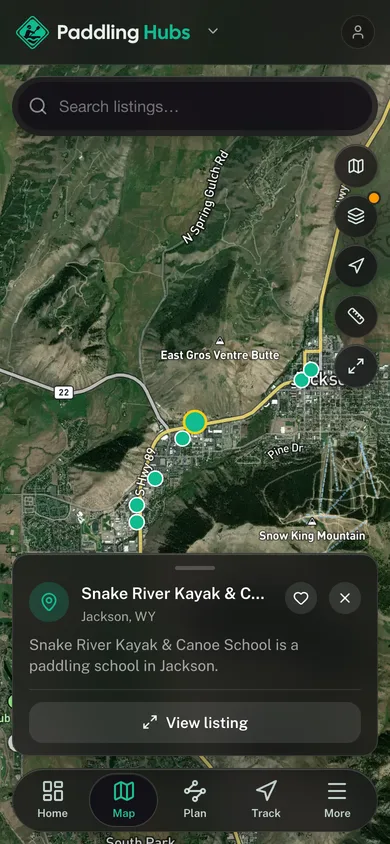
21 on the map
Tap a pin to open its profile.
Quick facts
- Rivers mapped
- 346
- Outfitters listed
- 21
- Best season
- October through May
All listings
21 outfitters
across Alabama
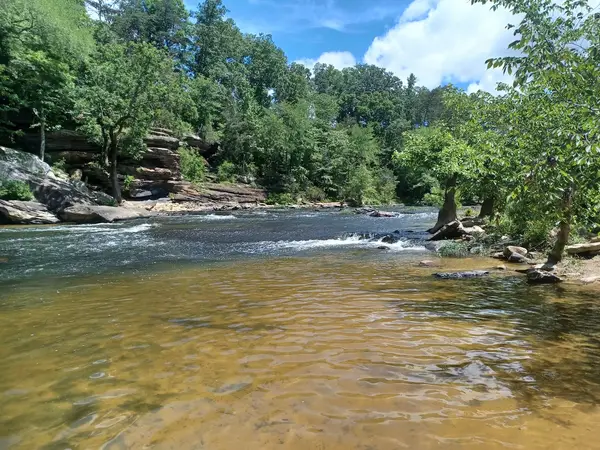
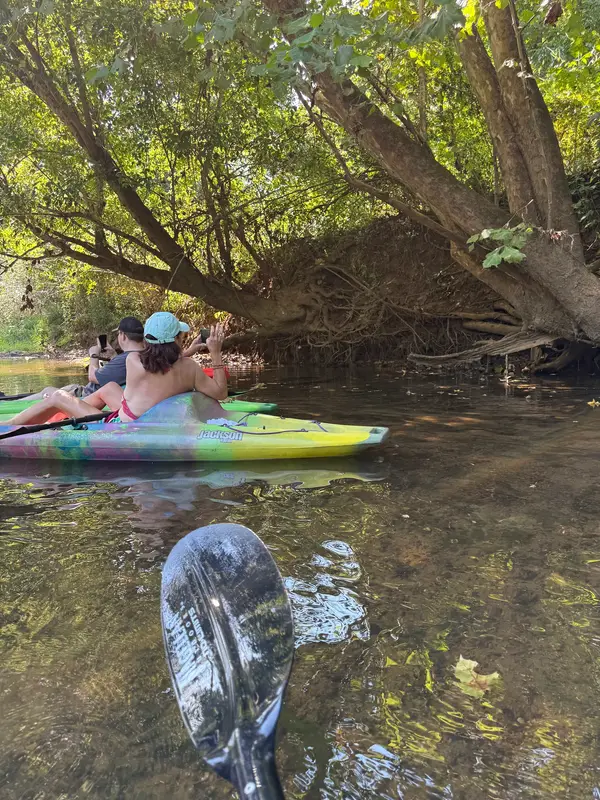
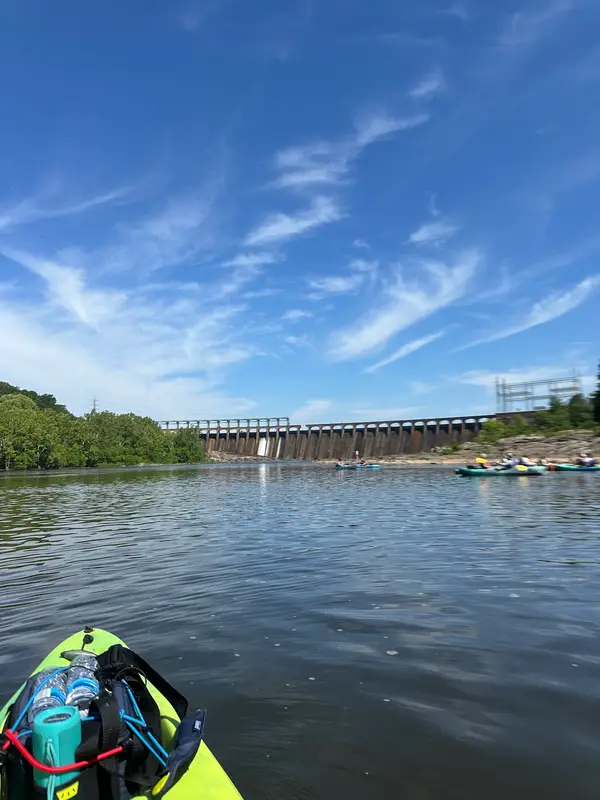
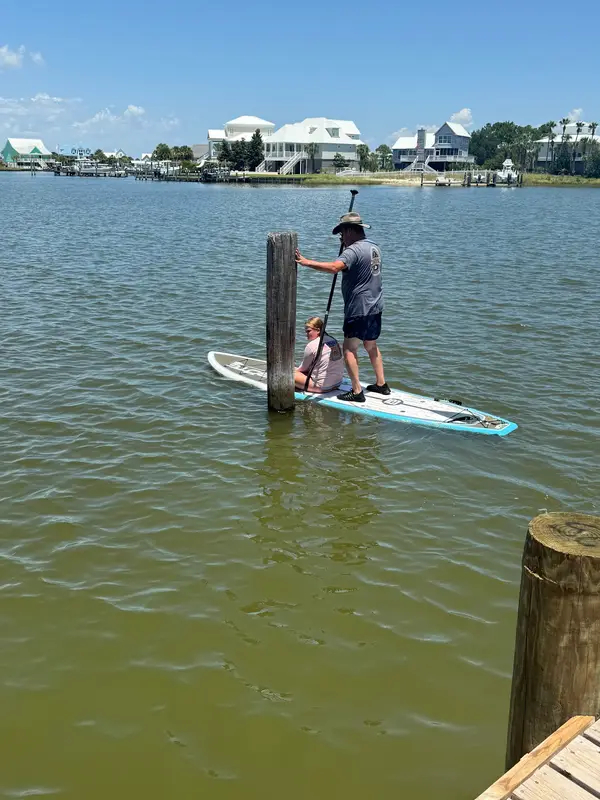
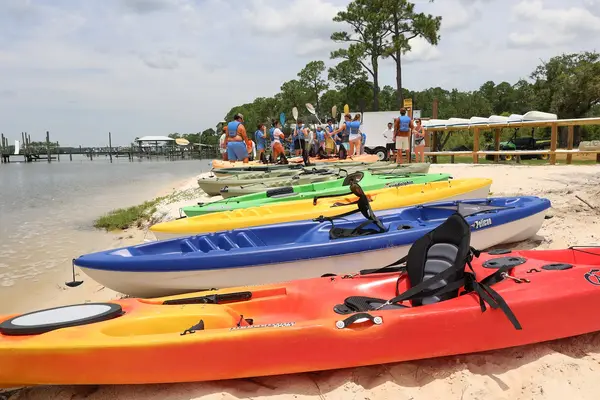
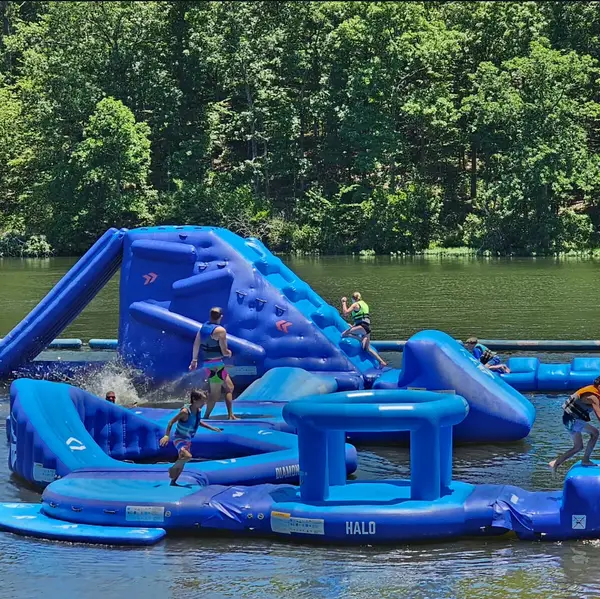
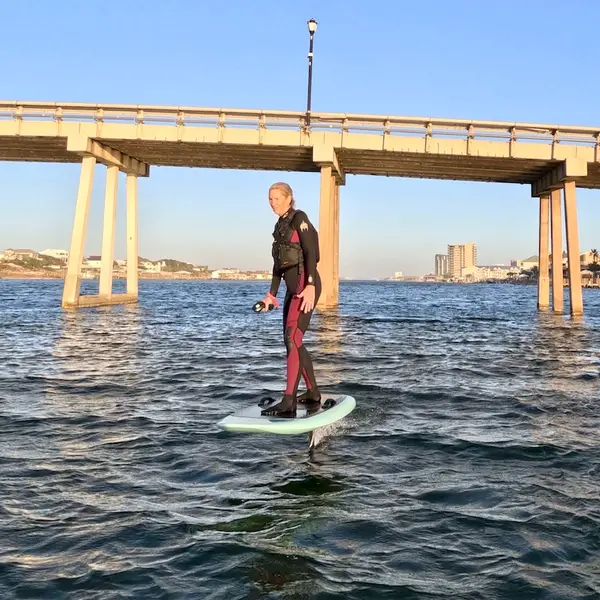
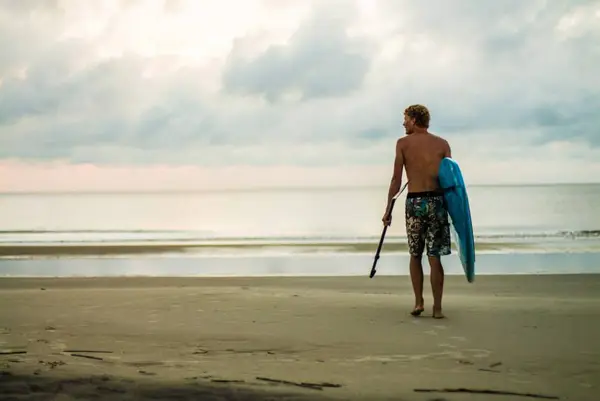
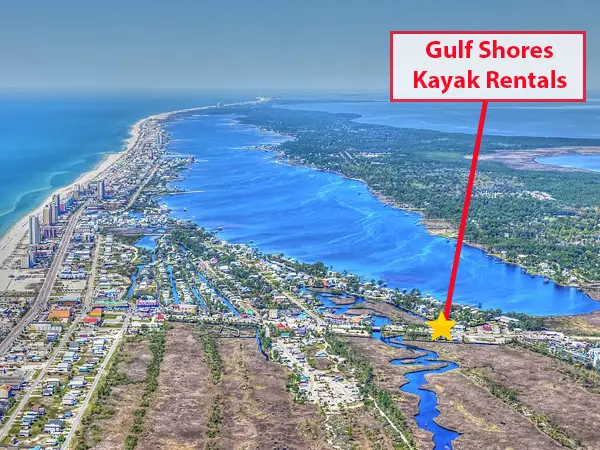
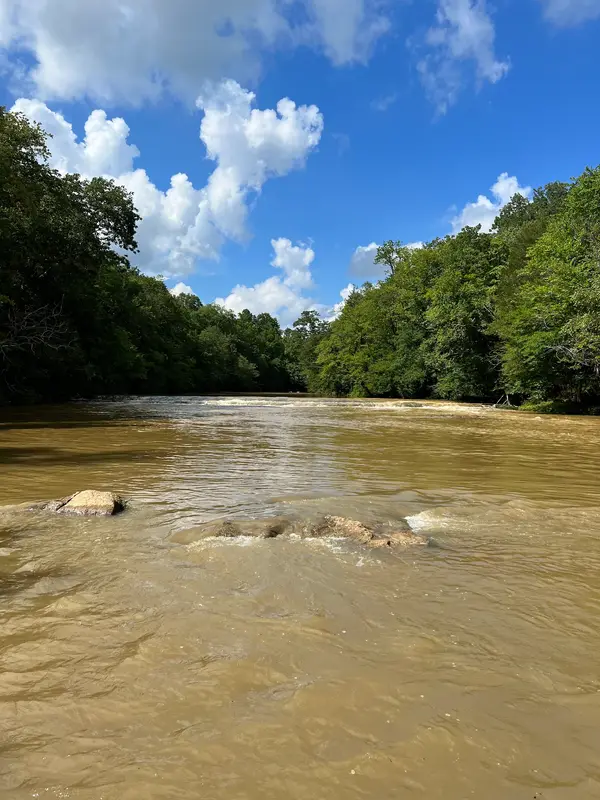

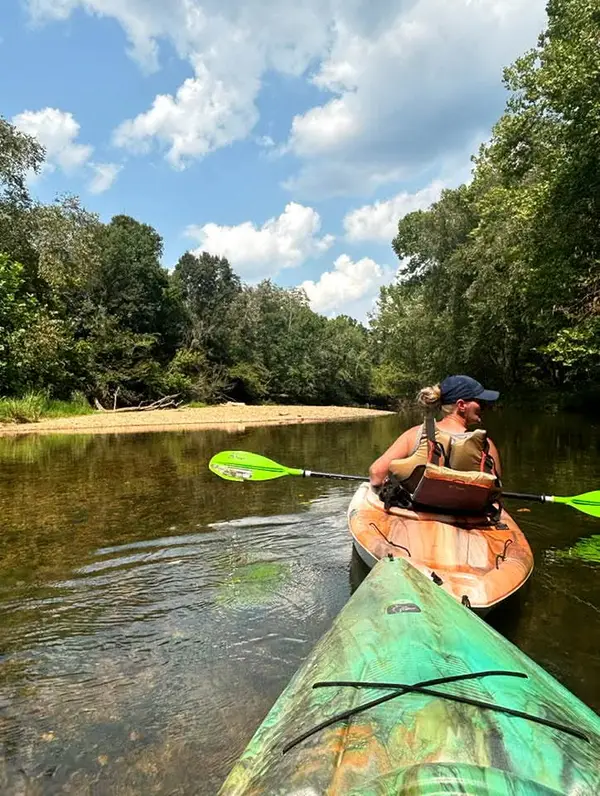
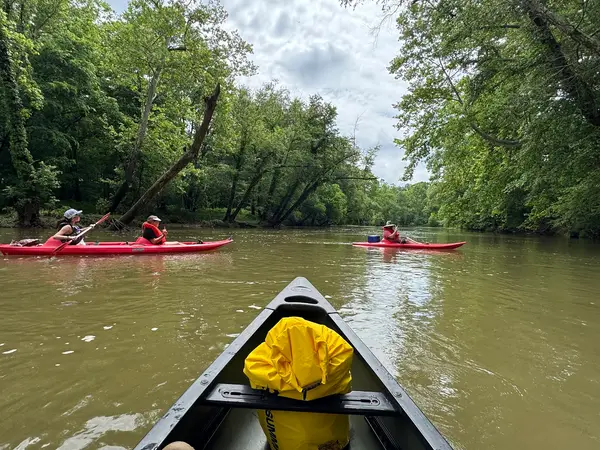
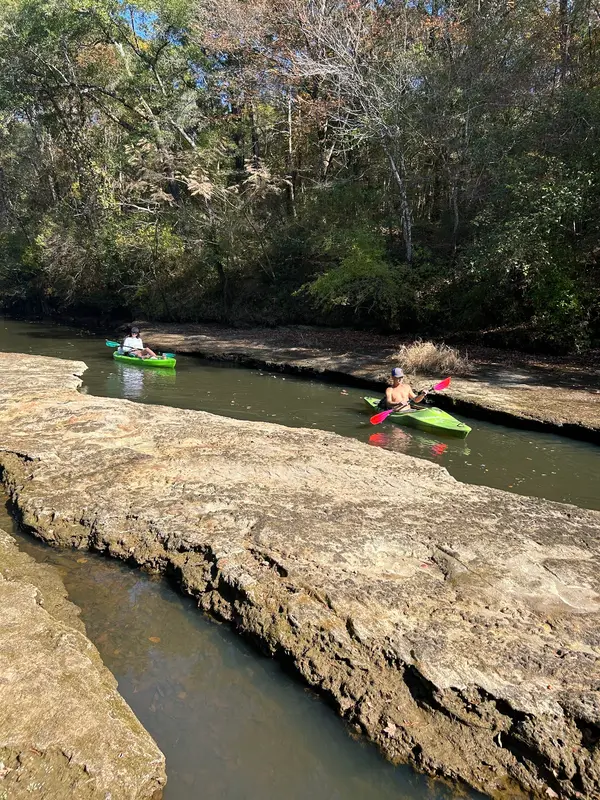
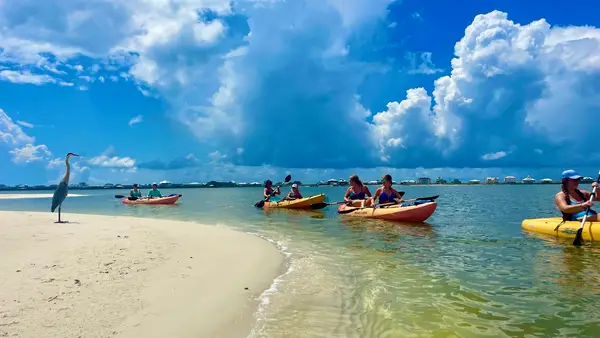
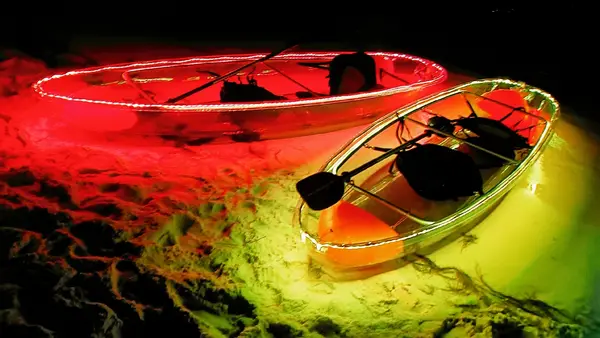
Plan your trip
Plan your trip to Alabama
Waterway Access and Conditions
Access to Alabama's rivers, lakes, and coastal waters is generally good, with numerous public boat ramps and designated put-in/take-out points. Always check current water levels and flow rates, especially for rivers like the Locust Fork, which relies on rainfall for whitewater. USGS streamflow gauges are crucial resources for real-time data on river conditions.
Whitewater vs. Flatwater Options
Alabama offers a spectrum of paddling. Whitewater enthusiasts can find Class II-IV rapids on rivers such as the Locust Fork and Little River Canyon, often dependent on seasonal rainfall or dam releases. Flatwater opportunities abound on the Mobile-Tensaw Delta, large reservoirs like Lake Martin, and the calm coastal areas of Mobile Bay and the Gulf, ideal for canoes, kayaks, and SUPs.
Safety and PFD Requirements
Cold water safety is paramount during cooler months; dress appropriately and be prepared for immersion. All paddlecraft users in Alabama must have a U.S. Coast Guard-approved Personal Flotation Device (PFD) on board. Children under eight years old are required to wear a PFD at all times while on any vessel, including paddlecraft.
Outfitters, Rentals, and Guided Trips
Numerous outfitters across Alabama provide rentals for kayaks, canoes, and SUPs, along with shuttle services for river trips. Many also offer guided tours tailored to various skill levels, from beginner flatwater excursions to advanced whitewater adventures, and specialized lessons for improving paddling techniques or learning new disciplines.
Boat Registration for Paddlecraft
While most recreational kayaks and canoes under 10 feet in length are exempt, any paddlecraft 10 feet or longer, or any paddlecraft equipped with a motor (even an electric trolling motor), must be registered with the Alabama Law Enforcement Agency (ALEA) Marine Patrol Division. Check with your outfitter if renting, as their vessels will be registered.
Confirm current requirements with the state agency before your trip. Rules and fees change every season.
Personal Flotation Device (PFD) Requirement
All vessels, including kayaks, canoes, and stand-up paddleboards, must have at least one U.S. Coast Guard-approved wearable PFD for each person on board. Children under eight years of age are required to wear a PFD at all times while on any vessel.
Vessel Registration
Any paddlecraft 10 feet or longer in length, or any paddlecraft equipped with a motor (regardless of length), must be registered with the Alabama Law Enforcement Agency (ALEA) Marine Patrol Division. Vessels shorter than 10 feet without a motor are exempt from registration.
Fishing License
If you plan to fish from your kayak, canoe, or SUP in Alabama's public waters, a valid Alabama fishing license is required for individuals aged 16 and older. Licenses can be purchased online or from authorized retailers.
- 01
1. Determine Your Paddling Interest
Decide whether you prefer flatwater, whitewater, or coastal paddling. Alabama offers distinct experiences in each category, influencing your choice of location and outfitter.
- 02
2. Research Waterways and Conditions
Identify specific rivers, lakes, or coastal areas that match your interest. Always check current water levels, weather forecasts, and any advisories before planning your trip, especially for whitewater.
- 03
3. Connect with an Outfitter
Contact local outfitters in your chosen region. They can provide rentals, guided trips, lessons, and essential local knowledge about put-in/take-out points and shuttle services.
- 04
4. Prepare Your Gear and Safety Equipment
Ensure you have all necessary gear, including a U.S. Coast Guard-approved PFD, appropriate clothing for the conditions (consider cold water safety), water, and sun protection. Pack a dry bag for electronics and valuables.
- 05
5. Understand Regulations and Practice Leave No Trace
Familiarize yourself with Alabama's PFD and vessel registration requirements. Always practice Leave No Trace principles to protect the state's natural beauty, packing out all trash and respecting wildlife.
01What is the best time of year to paddle in Alabama?
02Do I need to wear a PFD (life jacket) while paddling in Alabama?
03Are there opportunities for whitewater rafting or kayaking in Alabama?
04Do I need to register my kayak or canoe in Alabama?
05Can I find guided paddling trips for beginners in Alabama?
06What kind of wildlife might I encounter while paddling?
Free tools
Your free outdoor toolkit

Everything Map
Listings, trails, spots, clubs and public land on a single full-screen map. Switch layers on and off, then tap any point for the details.
Open Everything MapRiver Explorer
Explore named rivers from the USGS hydrography dataset. Filter by water type or whitewater class.
Open River ExplorerRoute Planner
Drop stops on a map and watch distance and drive time add up. Export a GPX or share the link.
Open Route PlannerPaddling Clubs
Browse local clubs with meeting info and how to join, or start your own for free.
Open Paddling ClubsPhoto ID
Point your camera at whatever you found and get a structured identification. No signup.
Open Photo IDGear Checklists
Printable, save-as-you-go packing lists. Tick items off and pull them up on your phone.
Open Gear Checklists
Keep exploring