Outfitters · Florida
Outfitters in Florida
Paddle 26 outfitters across Florida. Maps, hours, contact info, photos, and verified operator profiles, all in one place.
Saltwater flats, springs, and the largest subtropical wilderness in the US.
About Florida
Best time to go
When to paddle in Florida
October through May. The wet season runs hot and humid from June through September.
- March–May: warm water plus peak Appalachian whitewater
- October–November: cool, calm, prime flatwater and coastal touring
- Summer: go early to beat the afternoon thunderstorms
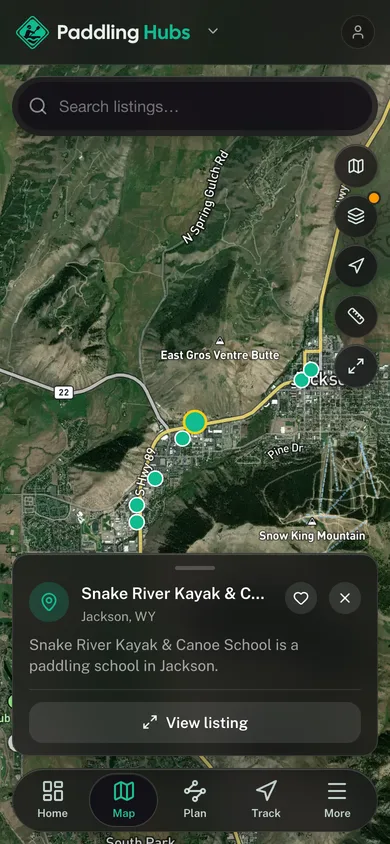
26 on the map
Tap a pin to open its profile.
Quick facts
- Rivers mapped
- 91
- Outfitters listed
- 26
- Best season
- October through May
All listings
26 outfitters
across Florida
Plan your trip
Plan your trip to Florida
Signature Waters and Paddling Types
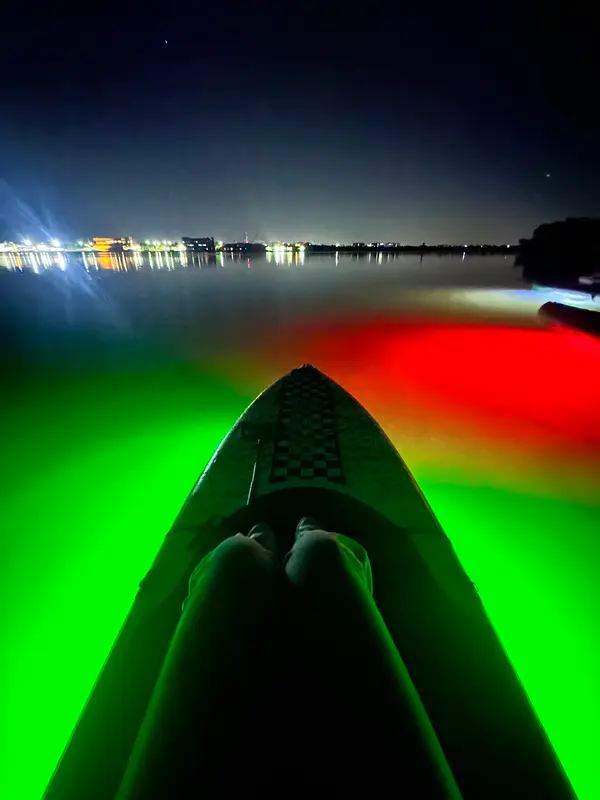
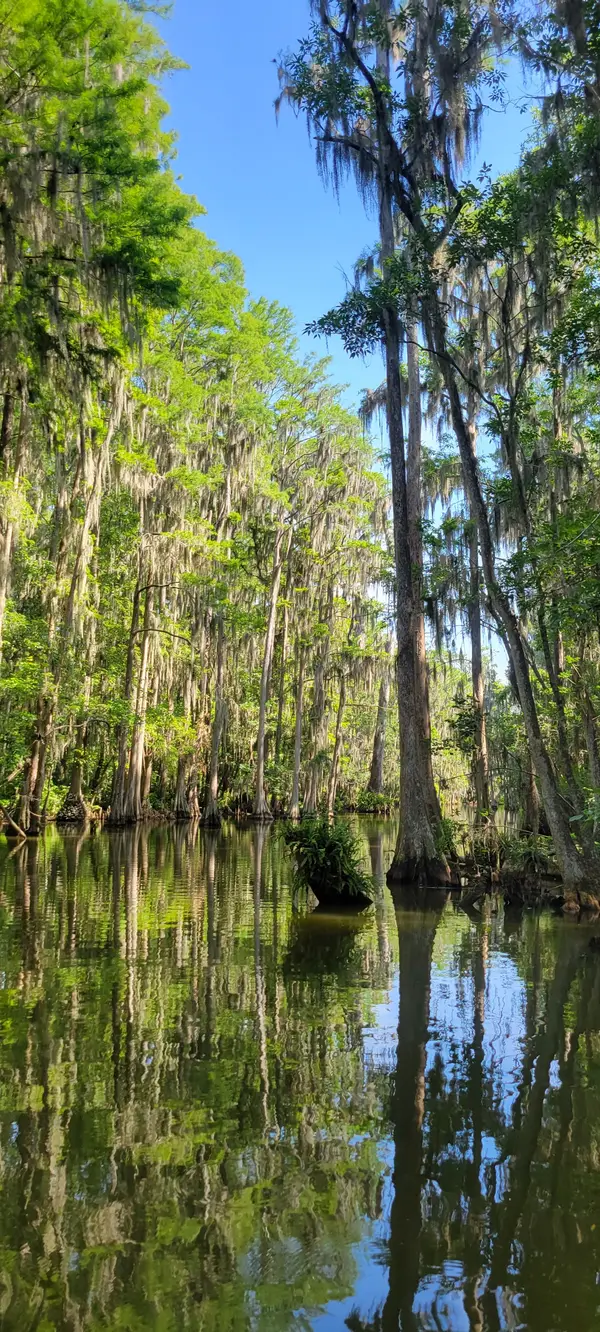
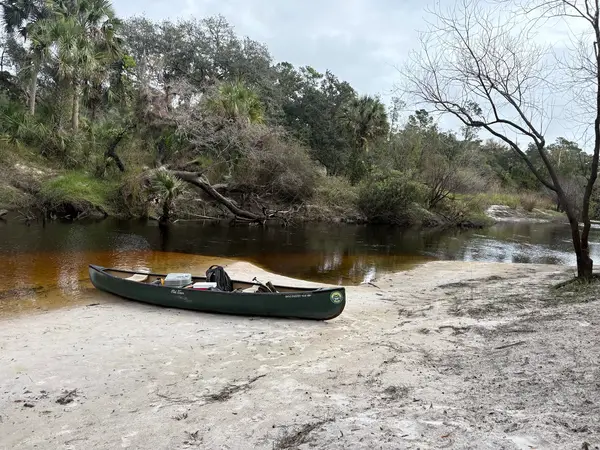
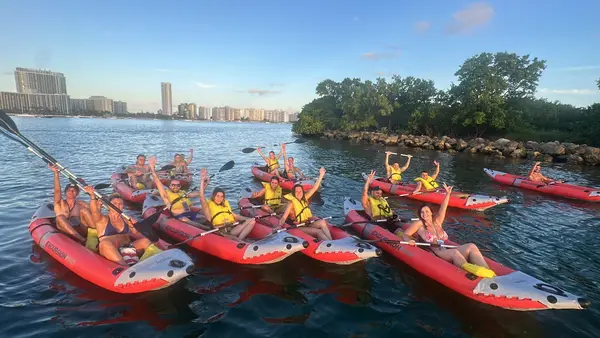
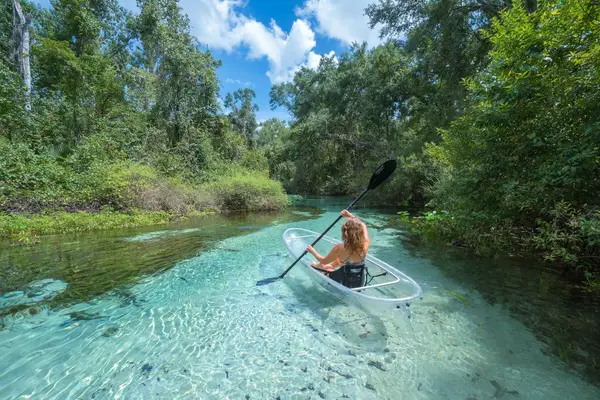
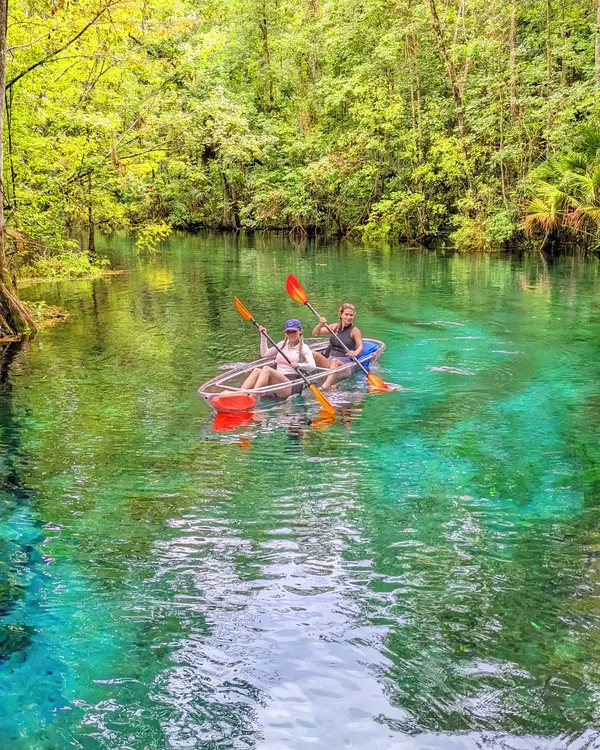
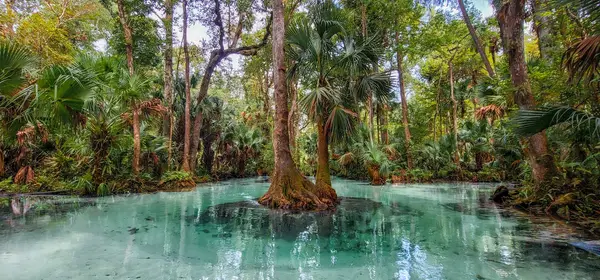
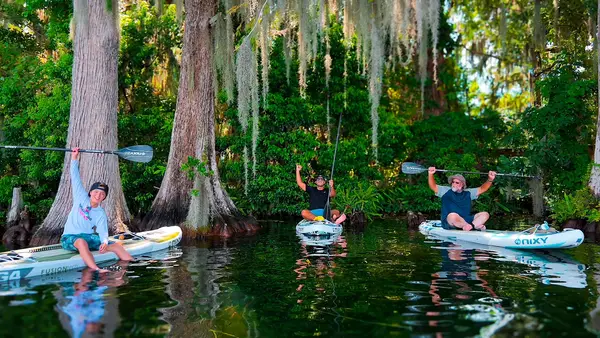
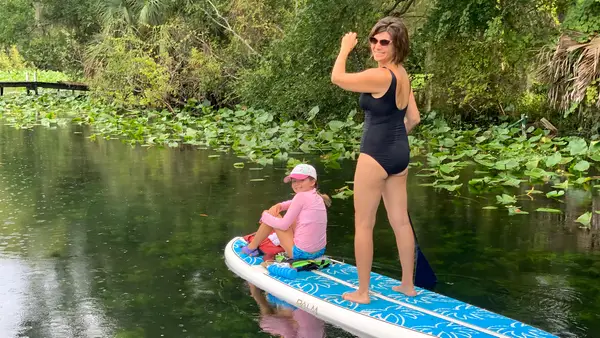
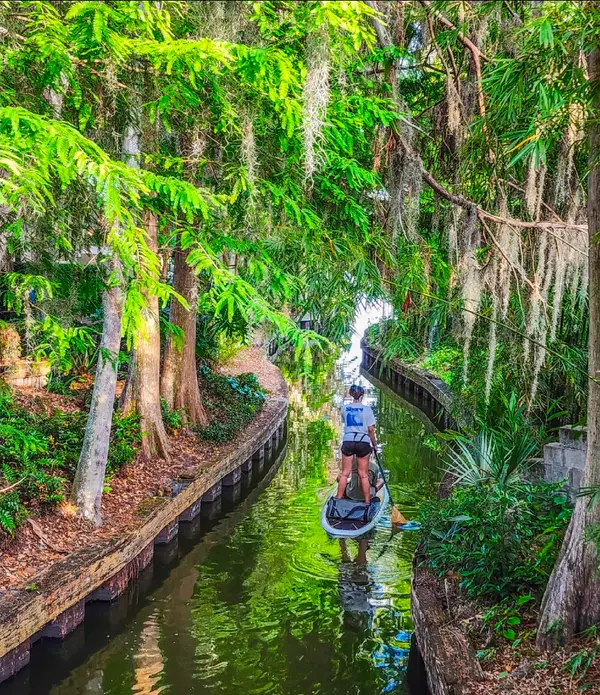
Florida is a flatwater paddling destination, offering extensive opportunities for kayaking, canoeing, and stand-up paddleboarding. Signature waters include the clear spring-fed rivers of Central Florida (e.g., Silver Springs, Weeki Wachee, Ichetucknee), the vast estuarine systems of the Gulf Coast (e.g., Ten Thousand Islands, Chassahowitzka), and the coastal mangroves and open waters of the Atlantic and Florida Keys. There are no whitewater rafting options in Florida.
Paddling Season and Water Conditions
Paddling is a year-round activity in Florida. Spring-fed rivers maintain a constant flow and temperature (around 72°F/22°C), making them accessible regardless of ambient temperature. Coastal and bay paddling is highly dependent on weather, wind, and tides; checking marine forecasts is crucial. While water levels are generally stable, heavy rains can temporarily raise river levels, impacting some put-ins or creating stronger currents.
Access, Put-in/Take-out, and Shuttles
Many popular paddling trails, especially those on spring-fed rivers, have designated public put-in and take-out points, often within state parks or wildlife management areas. Liveries and outfitters commonly provide shuttle services for one-way river trips. For coastal and bay paddling, access points are typically public boat ramps or designated beach access areas. Always verify access rules and hours for specific locations.
PFD and Cold-Water Safety
All paddlecraft users in Florida must have a U.S. Coast Guard-approved Personal Flotation Device (PFD) readily accessible. Children under six years of age must wear a PFD at all times while on a vessel under 26 feet in length. While cold-water immersion is less common in Florida, winter temperatures can still pose hypothermia risks, especially during extended exposure or if paddling in cooler northern Florida waters. Always dress for the water temperature, not just the air temperature.
Rental, Guided Trip, and Lesson Availability
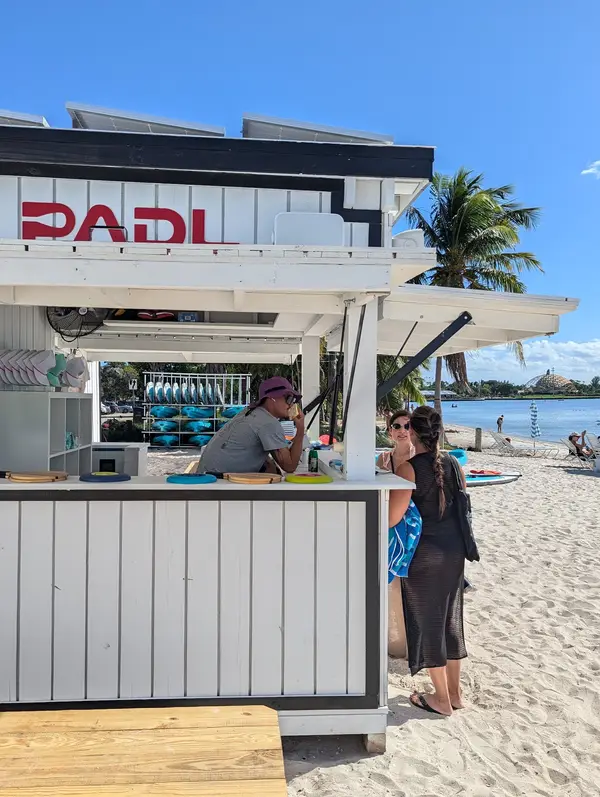
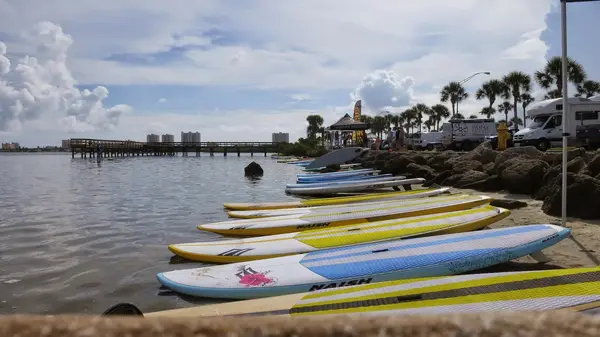
Florida boasts a robust network of paddling outfitters offering rentals for kayaks, canoes, and SUPs across all major paddling regions. Guided trips, ranging from half-day excursions to multi-day expeditions, are widely available and often focus on wildlife viewing, ecological interpretation, or specific skill development. SUP and kayak lessons, from beginner basics to advanced sea kayaking techniques, are also readily accessible through many outfitters and paddling schools.
Confirm current requirements with the state agency before your trip. Rules and fees change every season.
Personal Flotation Devices (PFDs)
All vessels, including kayaks, canoes, and stand-up paddleboards, must have at least one readily accessible U.S. Coast Guard-approved PFD for each person on board. Children under six years of age must wear a PFD at all times while on a vessel under 26 feet in length while underway.
Vessel Registration
Non-motorized paddlecraft, such as kayaks, canoes, and stand-up paddleboards, are generally exempt from vessel registration requirements in Florida. This applies unless the vessel is used for commercial purposes, in which case specific commercial licensing may apply. Always confirm with the Florida Fish and Wildlife Conservation Commission (FWC) for current regulations.
Fishing License
If you plan to fish from your paddlecraft in Florida, a valid Florida fishing license is required for both freshwater and saltwater fishing. This applies to both residents and non-residents. Specific regulations, including catch limits and seasons, vary by species and location.
Manatee Protection Zones
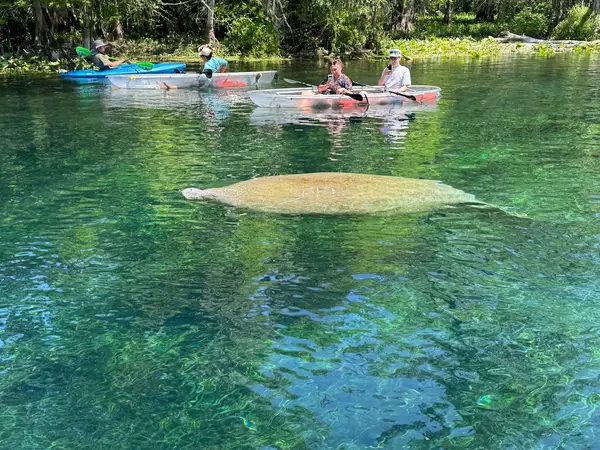
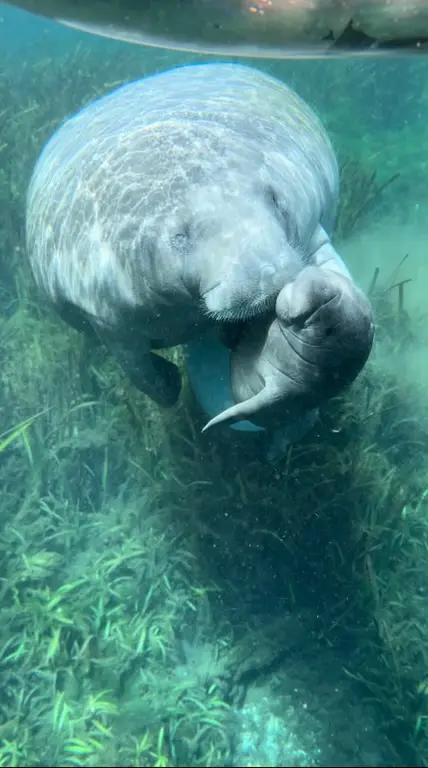
Many of Florida's waterways, particularly the spring-fed rivers and coastal areas, include designated Manatee Protection Zones with specific speed limits and operational restrictions for vessels. Paddlers must be aware of and adhere to these zones to protect manatees. Passive observation of manatees is encouraged, but harassment or feeding is illegal.
- 01
1. Determine Your Paddling Interest
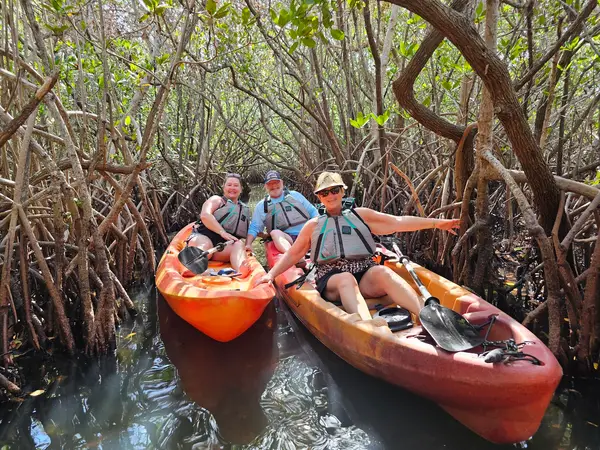
Decide what kind of paddling experience you seek: tranquil spring runs, challenging coastal sea kayaking, or wildlife-rich mangrove tunnels. This will help narrow down suitable regions and outfitters in Florida.
- 02
2. Research Locations and Outfitters
Once you have a type in mind, research specific paddling trails and the outfitters that serve them. Look for details on rentals, guided tours, and shuttle services, especially for one-way river trips.
- 03
3. Check Conditions and Regulations
Before heading out, verify current weather, wind, and water conditions. Familiarize yourself with local regulations, including PFD requirements, manatee protection zones, and any park-specific rules or fees.
- 04
4. Book Ahead, Especially for Peak Seasons
Many popular outfitters and paddling destinations, particularly the spring-fed rivers, can book up quickly. Make reservations for rentals, tours, and lessons well in advance to secure your spot.
- 05
5. Prioritize Safety and Gear
Always wear or have a PFD readily accessible. Bring plenty of water, sun protection, and appropriate clothing for the weather and water temperature. Inform someone of your float plan, especially for longer trips.
01Is whitewater rafting available in Florida?
02Do I need a special license or registration for my kayak or SUP in Florida?
03When is the best time of year to go paddling in Florida?
04Will I see alligators or other wildlife while paddling?
05Can I rent equipment, or do I need to bring my own?
06Are there any age restrictions for paddling in Florida?
Watch & learn
Watch & learn, Florida
Hidden Oasis In Florida! | Explore King's Landing/Emerald Cut (30 Min From Orlando!)
Follow Me Away
0Kayak Fishing The ENTIRE 7 MILE BRIDGE Round Trip In One Day!! Florida Keys
FishAholic Fishing
0Spring kayaking on Florida's Myakka River - Lightweight Pakayak test!
PaddleTV
0
Free tools
Your free outdoor toolkit

Everything Map
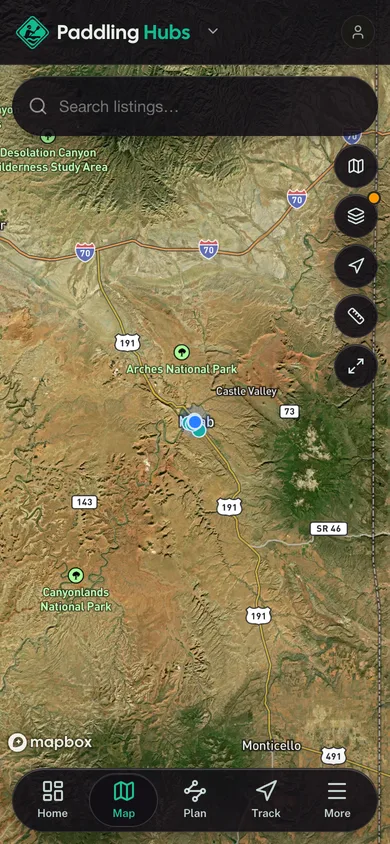
Listings, trails, spots, clubs and public land on a single full-screen map. Switch layers on and off, then tap any point for the details.
Open Everything MapRiver Explorer
Explore named rivers from the USGS hydrography dataset. Filter by water type or whitewater class.
Open River ExplorerRoute Planner
Drop stops on a map and watch distance and drive time add up. Export a GPX or share the link.
Open Route PlannerPaddling Clubs
Browse local clubs with meeting info and how to join, or start your own for free.
Open Paddling ClubsPhoto ID
Point your camera at whatever you found and get a structured identification. No signup.
Open Photo IDGear Checklists
Printable, save-as-you-go packing lists. Tick items off and pull them up on your phone.
Open Gear Checklists