Skip to content
Texas paddling scene. Backdrop for the Paddling Hubs Texas outfitter directory

Outfitters · Texas

Outfitters in Texas

Paddle 45 outfitters across Texas. Maps, hours, contact info, photos, and verified operator profiles, all in one place.

Hill Country, Big Bend desert, Gulf coast, and the Piney Woods.

Updated

All listings

45 outfitters in Texas
All states

Get listed free

Run a outfitter in Texas? Add it to Paddling Hubs. Free, no commission.

Add your listing

On the map

Outfitters, rivers & creeks and camping in Texas

Everything we have mapped in Texas, on one map. Tap anything for its details.

Loads the full map of Texas. We leave it off by default so the page opens fast on mobile data.

Tap a river to trace its course on the map, then open it for flow, access, and gauge data.

  • Details
  • Details
  • Details
  • Details
  • Details
  • Details
  • Details
  • Details

About Texas

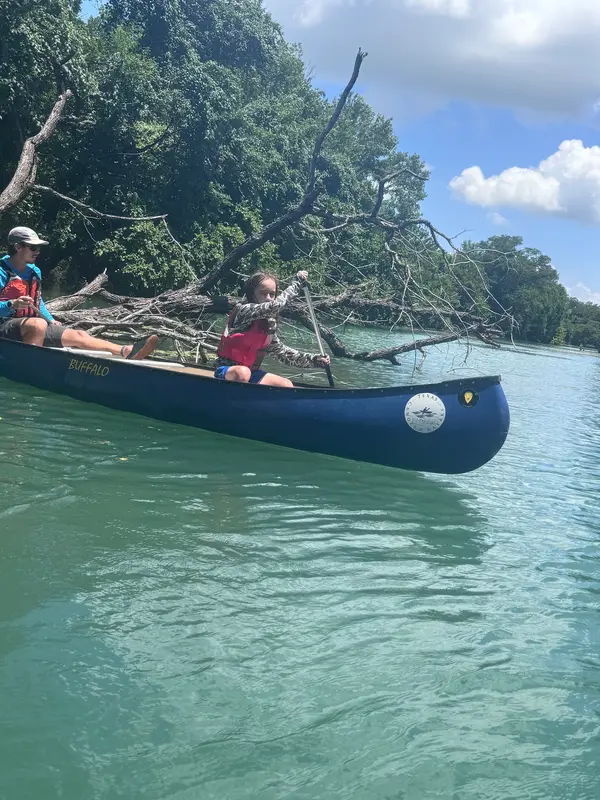
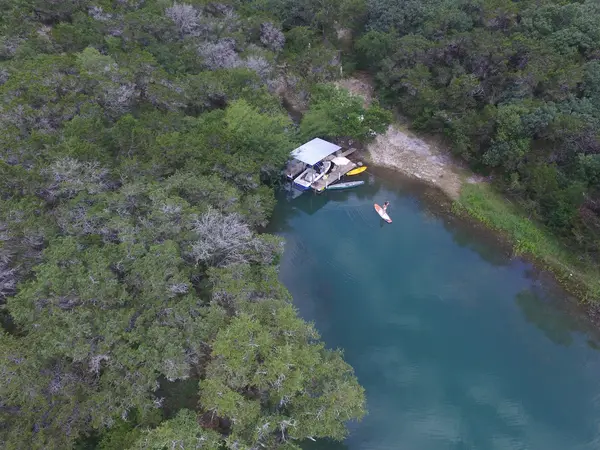
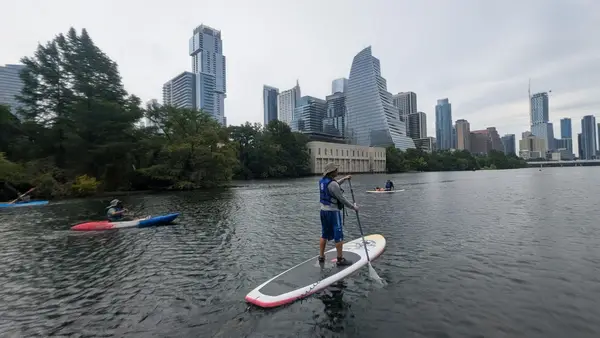
Texas presents a surprisingly diverse landscape for paddlers, extending far beyond its arid reputation. From the spring-fed rivers carving through the rugged limestone canyons of the Hill Country to the tranquil, wildlife-rich bayous bordering the Gulf Coast, and the expansive freshwater lakes of East Texas, the state offers a spectrum of experiences. Kayak and canoe liveries are abundant, especially along popular routes like the Guadalupe, San Marcos, and Brazos rivers, providing easy access to scenic floats and multi-day trips. Enthusiasts can find everything from placid stretches ideal for beginners to more challenging whitewater sections during dam releases.

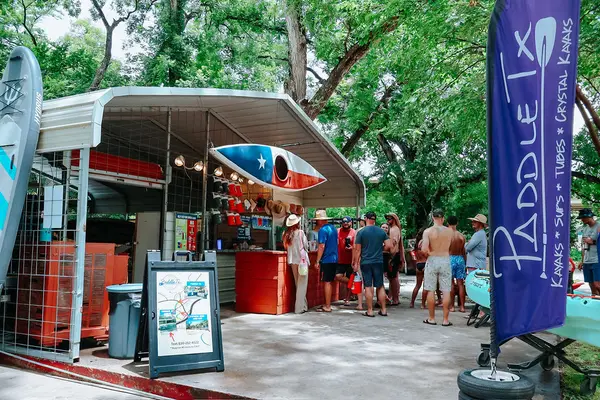
The iconic Texas Hill Country, with towns like New Braunfels and San Marcos, is a mecca for river paddling. Here, the Comal and San Marcos rivers offer clear, cool waters perfect for stand-up paddleboarding (SUP) and leisurely kayaking, especially during the warmer months. Further west, the Guadalupe River below Canyon Lake Dam provides the state's most consistent whitewater rafting opportunities, with Class I-III rapids that fluctuate with controlled releases. Numerous outfitters in these areas specialize in rentals, shuttles, and guided trips, catering to various skill levels and ensuring paddlers can explore these unique aquatic environments safely and enjoyably.

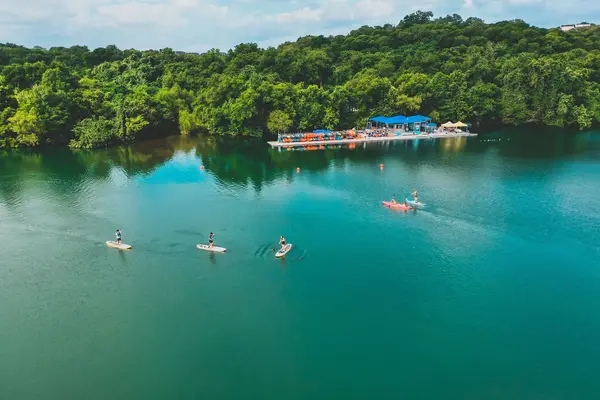
Beyond the rivers, Texas's extensive coastline and numerous inland lakes open up vast flatwater opportunities. The intricate networks of coastal marshes and bays, such as those around Galveston, Rockport, and the Laguna Madre, are prime locations for sea kayaking and SUP, offering exceptional birdwatching and fishing. Guided paddling trips often explore these estuarine ecosystems, introducing paddlers to unique flora and fauna. Large reservoirs like Lake Travis and Lake Texoma also provide ample space for recreational paddling, with many access points and local businesses offering equipment rentals and lessons for all types of paddlecraft.

When to paddle in Texas

Peak Mar–May, Oct

Full season

Quick facts

Rivers mapped
2,963
Outfitters listed
45
Best season
October through May

Trip guide

Know before you go in Texas

Confirm current requirements with the agency that sets them before your trip. Rules and fees change every season.

  • Personal Flotation Devices (PFDs)

    All vessels, including kayaks, canoes, and stand-up paddleboards, must have at least one wearable U.S. Coast Guard-approved PFD for each person on board. Children under 13 years of age must wear a PFD while on any vessel under 26 feet in length that is underway. It is recommended for all paddlers to wear a PFD at all times.

  • Fishing License

    If you plan to fish from your paddlecraft in public waters, a Texas fishing license is required for all residents and non-residents aged 17 and older. Additional endorsements may be needed for saltwater fishing or specific species. Licenses can be purchased online or from various retailers.

  • Boater Education Certificate

    While not strictly required for purely paddle-powered kayaks, canoes, or SUPs, a Boater Education Certificate is mandatory for anyone born on or after September 1, 1993, who operates a motorized vessel of more than 15 horsepower. If you are operating a paddlecraft with a trolling motor or other motor, this requirement may apply. Verify with Texas Parks & Wildlife Department (TPWD) if your setup requires it.

  • Vessel Registration

    Non-motorized canoes, kayaks, and stand-up paddleboards are generally exempt from registration requirements in Texas. However, if any paddlecraft is equipped with a motor, regardless of size or horsepower, it must be registered with the Texas Parks & Wildlife Department.

01What is the best time of year to go paddling in Texas?
Spring and Fall generally offer the most pleasant paddling conditions across Texas, with mild temperatures and fewer crowds. Spring often brings higher river flows for whitewater, while Fall provides cooler weather ideal for longer trips. Summer is popular on spring-fed rivers, and winter can be excellent for coastal birdwatching.
02Where can I find whitewater rafting or kayaking in Texas?
The primary destination for whitewater rafting and kayaking in Texas is the Guadalupe River below Canyon Lake Dam in the Hill Country. Controlled dam releases provide consistent Class I-III rapids, especially during spring and summer. Outfitters in this area specialize in rentals and guided trips for these sections.
03Do I need to register my kayak or SUP in Texas?
No, non-motorized kayaks, canoes, and stand-up paddleboards are exempt from vessel registration requirements in Texas. However, if you equip your paddlecraft with any type of motor, regardless of horsepower, it must be registered with the Texas Parks & Wildlife Department.
04Are there guided paddling trips available for beginners?
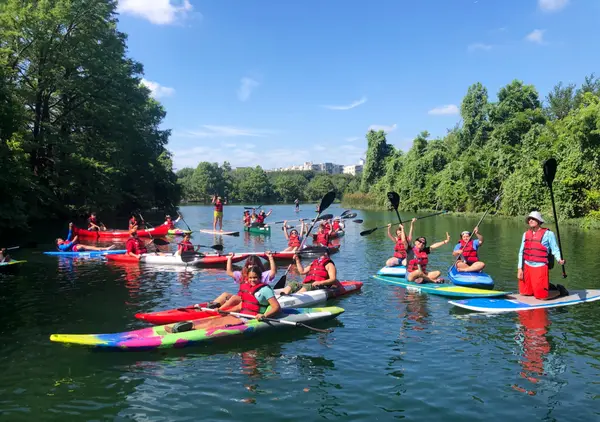
Yes, many outfitters across Texas cater to beginners, offering guided flatwater trips on calm rivers, lakes, and coastal bays. These trips often include basic instruction, equipment rentals, and focus on scenic routes or wildlife viewing, making them ideal for those new to paddling.
05What safety precautions should I take when paddling in Texas?
Always wear a U.S. Coast Guard-approved Personal Flotation Device (PFD), especially for children under 13. Be aware of water temperatures, particularly in winter, and dress appropriately to prevent hypothermia. Carry plenty of water, protect yourself from the sun, and inform someone of your float plan before heading out.
06Can I rent paddling equipment on most Texas waterways?
Yes, rentals for kayaks, canoes, and stand-up paddleboards are widely available across Texas, particularly in popular paddling destinations like the Hill Country rivers (Guadalupe, San Marcos, Comal), major lakes, and coastal towns. Many outfitters also provide shuttle services for river trips.