Outfitters · Texas
Outfitters in Texas
Paddle 14 outfitters across Texas. Maps, hours, contact info, photos, and verified operator profiles, all in one place.
Hill Country, Big Bend desert, Gulf coast, and the Piney Woods.
About Texas
Best time to go
When to paddle in Texas
October through May for the south/desert; year-round for the Hill Country.
- March–May: warm water plus peak Appalachian whitewater
- October–November: cool, calm, prime flatwater and coastal touring
- Summer: go early to beat the afternoon thunderstorms
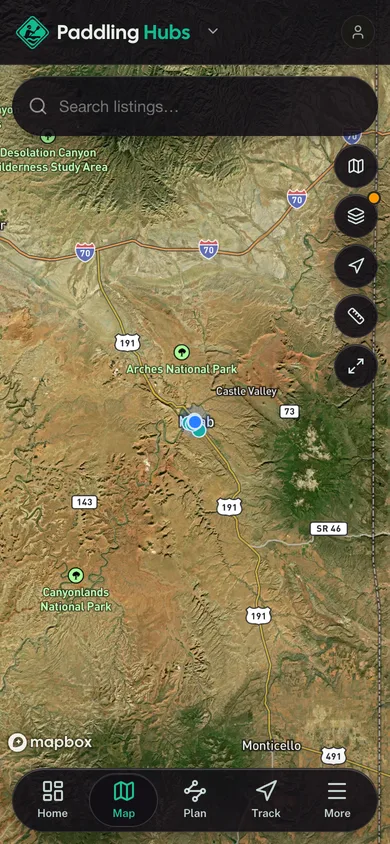
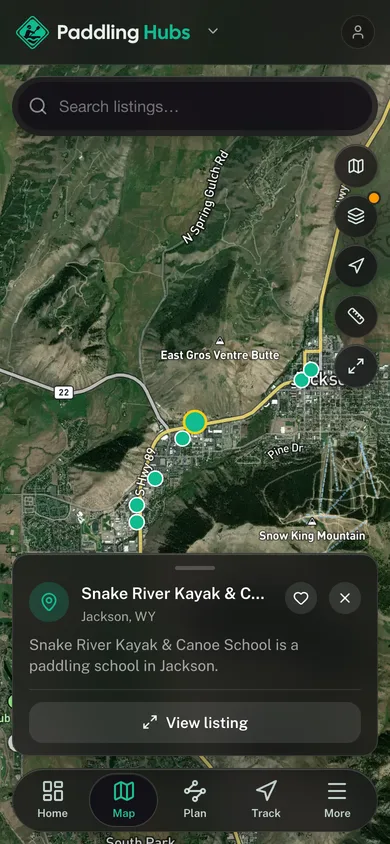
14 on the map
Tap a pin to open its profile.
Quick facts
- Rivers mapped
- 118
- Outfitters listed
- 14
- Best season
- October through May
All listings
14 outfitters
across Texas
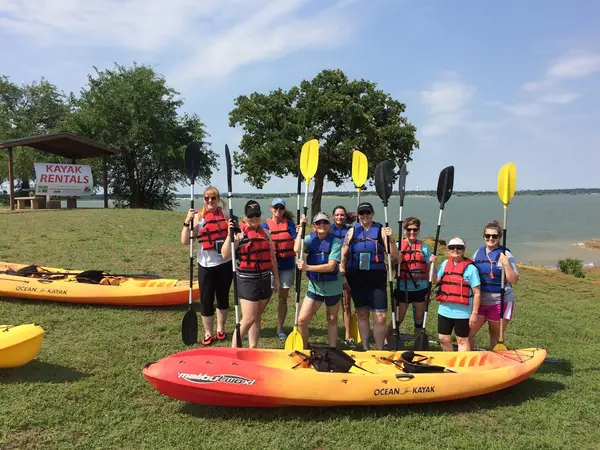
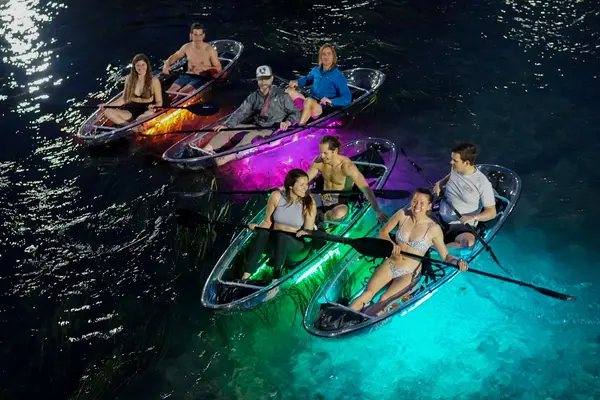
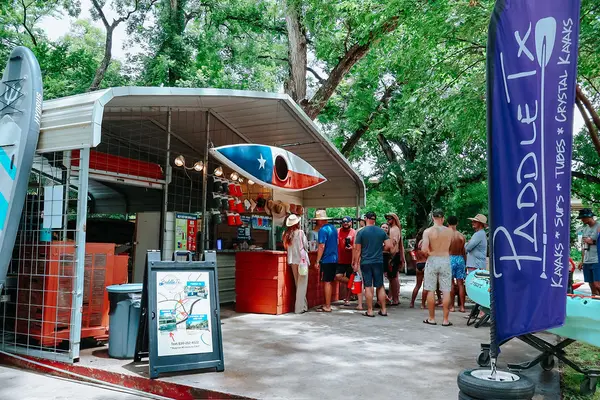
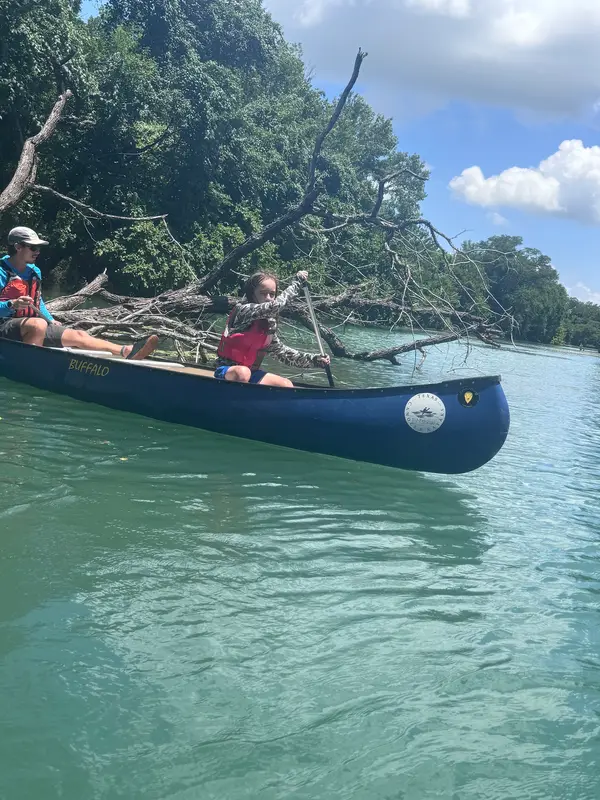
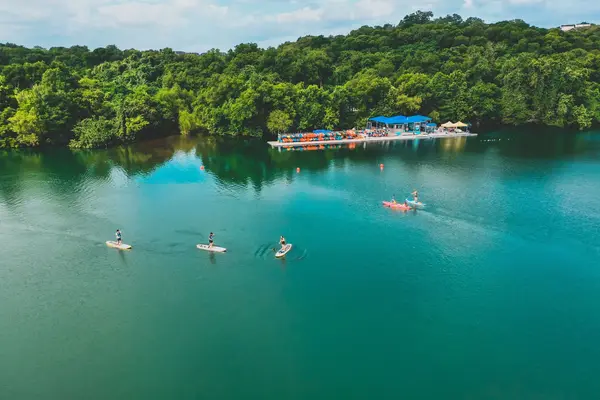
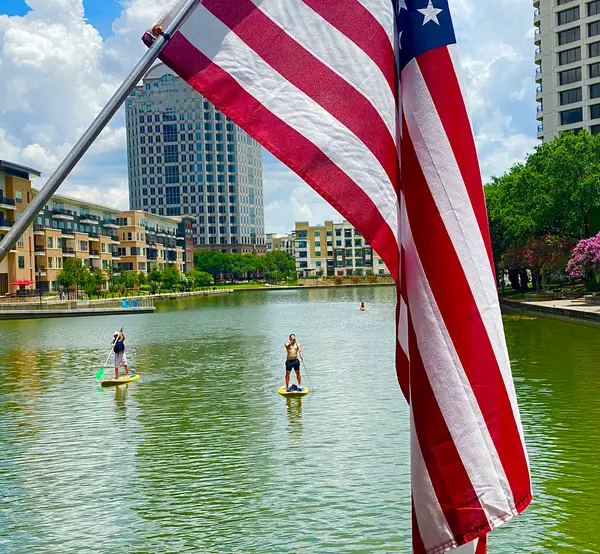
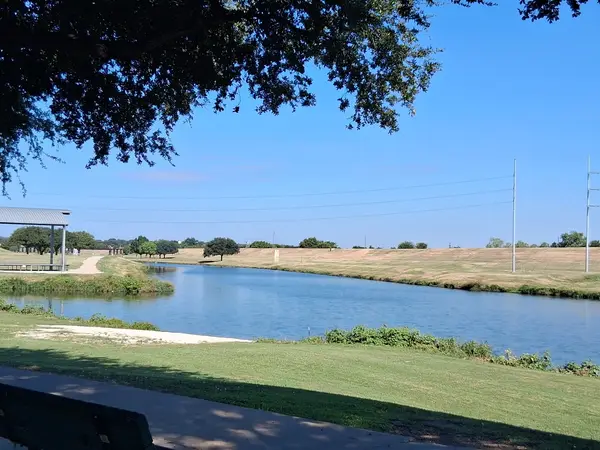
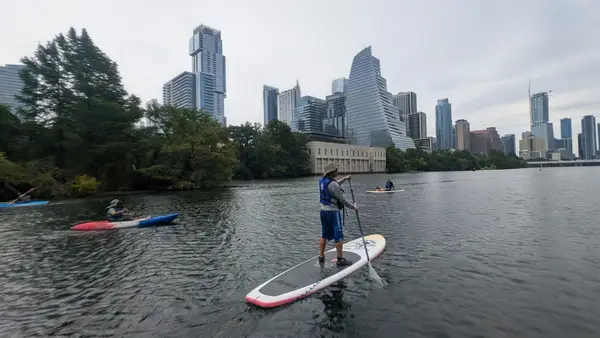
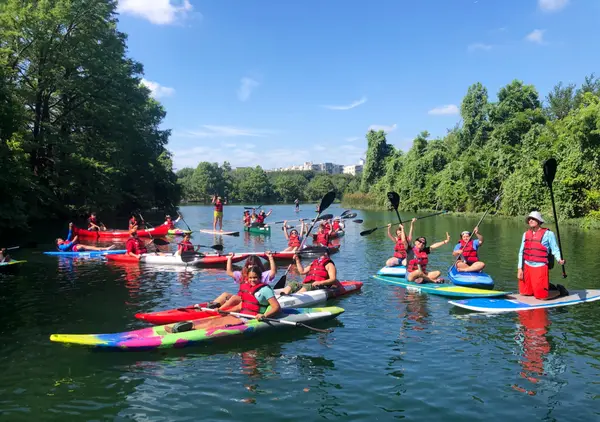
Plan your trip
Plan your trip to Texas
Water Levels and Flow
River conditions, especially for whitewater on the Guadalupe River below Canyon Lake Dam, are heavily dependent on dam releases and rainfall. Always check USGS streamflow gauges (e.g., for the Guadalupe River near Sattler) and dam release schedules from the Guadalupe-Blanco River Authority (GBRA) before planning a trip. Flatwater bodies generally have more consistent levels, but wind can be a significant factor on large lakes and coastal bays.
Whitewater vs. Flatwater vs. Coastal
Texas offers distinct paddling experiences. The Hill Country rivers (Guadalupe, Brazos) provide Class I-III whitewater sections, particularly when flows are up. Most other rivers, lakes, and coastal areas are primarily flatwater, suitable for kayaks, canoes, and SUPs. Coastal paddling requires awareness of tides, currents, and potential wind chop, often involving longer distances and open water skills.
Access, Put-Ins, and Shuttles
Many popular rivers have designated public access points, state parks, and numerous private liveries that offer put-in/take-out services and shuttle options. For independent paddlers, understanding local access rules and planning shuttle logistics (often requiring two vehicles or a paid service) is crucial. Coastal access is typically via public boat ramps or dedicated paddling trails.
Safety and PFD Requirements
A wearable U.S. Coast Guard-approved Personal Flotation Device (PFD) is required for each person on board all paddlecraft, and children under 13 must wear one while on a vessel under 26 feet in length that is underway. Cold water safety is paramount during cooler months; wetsuits or drysuits are recommended for water temperatures below 70°F. Always paddle with a partner and inform someone of your float plan.
Outfitters, Rentals, and Lessons
Texas has a robust network of paddling outfitters, especially along the popular Hill Country rivers and coastal hubs. These businesses offer a wide range of services, including kayak, canoe, and SUP rentals, guided trips for all skill levels, and lessons for beginners or those looking to refine their technique. Whitewater rafting outfitters are concentrated on the Guadalupe River below Canyon Lake.
Confirm current requirements with the state agency before your trip. Rules and fees change every season.
Personal Flotation Devices (PFDs)
All vessels, including kayaks, canoes, and stand-up paddleboards, must have at least one wearable U.S. Coast Guard-approved PFD for each person on board. Children under 13 years of age must wear a PFD while on any vessel under 26 feet in length that is underway. It is recommended for all paddlers to wear a PFD at all times.
Fishing License
If you plan to fish from your paddlecraft in public waters, a Texas fishing license is required for all residents and non-residents aged 17 and older. Additional endorsements may be needed for saltwater fishing or specific species. Licenses can be purchased online or from various retailers.
Boater Education Certificate
While not strictly required for purely paddle-powered kayaks, canoes, or SUPs, a Boater Education Certificate is mandatory for anyone born on or after September 1, 1993, who operates a motorized vessel of more than 15 horsepower. If you are operating a paddlecraft with a trolling motor or other motor, this requirement may apply. Verify with Texas Parks & Wildlife Department (TPWD) if your setup requires it.
Vessel Registration
Non-motorized canoes, kayaks, and stand-up paddleboards are generally exempt from registration requirements in Texas. However, if any paddlecraft is equipped with a motor, regardless of size or horsepower, it must be registered with the Texas Parks & Wildlife Department.
- 01
1. Determine Your Paddling Preference
Decide whether you're seeking flatwater, whitewater, or coastal paddling. This will narrow down regions and suitable outfitters, as the type of water dictates the necessary skills and equipment.
- 02
2. Research Water Conditions and Seasons
Check current weather forecasts, water levels (via USGS gauges for rivers), and dam release schedules if whitewater is your goal. Consider the best season for your chosen activity, as conditions vary significantly throughout the year.
- 03
3. Find a Local Outfitter or Guide
Utilize online resources like Paddling Hubs to locate outfitters, liveries, and guides in your target region. They can provide rentals, guided trips, lessons, and essential local knowledge about routes and safety.
- 04
4. Plan Logistics and Gear
Arrange for transportation, shuttle services if needed, and ensure you have all necessary safety gear, including U.S. Coast Guard-approved PFDs for everyone. Pack appropriate clothing, sun protection, and hydration for your trip duration.
- 05
5. Understand Local Regulations and Safety
Familiarize yourself with Texas paddling regulations, especially concerning PFDs and any area-specific rules. Always paddle within your skill level, inform someone of your float plan, and be prepared for changing conditions.
01What is the best time of year to go paddling in Texas?
02Where can I find whitewater rafting or kayaking in Texas?
03Do I need to register my kayak or SUP in Texas?
04Are there guided paddling trips available for beginners?
05What safety precautions should I take when paddling in Texas?
06Can I rent paddling equipment on most Texas waterways?
Free tools
Your free outdoor toolkit

Everything Map
Listings, trails, spots, clubs and public land on a single full-screen map. Switch layers on and off, then tap any point for the details.
Open Everything MapRiver Explorer
Explore named rivers from the USGS hydrography dataset. Filter by water type or whitewater class.
Open River ExplorerRoute Planner
Drop stops on a map and watch distance and drive time add up. Export a GPX or share the link.
Open Route PlannerPaddling Clubs
Browse local clubs with meeting info and how to join, or start your own for free.
Open Paddling ClubsPhoto ID
Point your camera at whatever you found and get a structured identification. No signup.
Open Photo IDGear Checklists
Printable, save-as-you-go packing lists. Tick items off and pull them up on your phone.
Open Gear Checklists
Keep exploring