Outfitters · Rhode Island
Outfitters in Rhode Island
Paddle 14 outfitters across Rhode Island. Maps, hours, contact info, photos, and verified operator profiles, all in one place.
Narragansett Bay, the Block Island Sound, and 400 miles of coast.
About Rhode Island
Best time to go
When to paddle in Rhode Island
May through October.
- April–May: spring runoff, the whitewater window
- June–September: lakes, ponds, and coastal sea kayaking
- September–October: foliage paddling on still-warm water
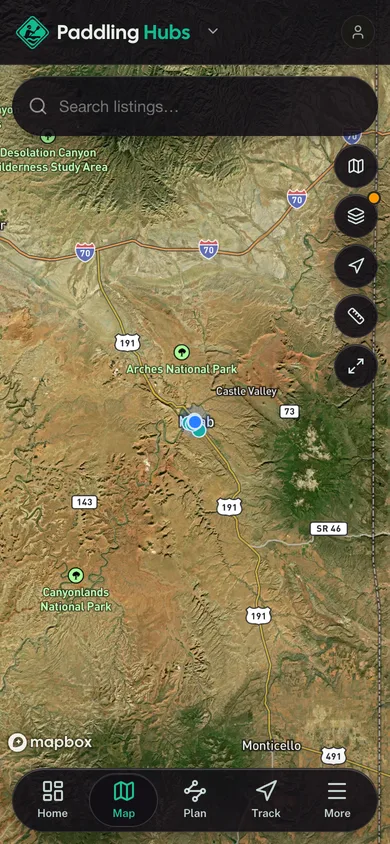
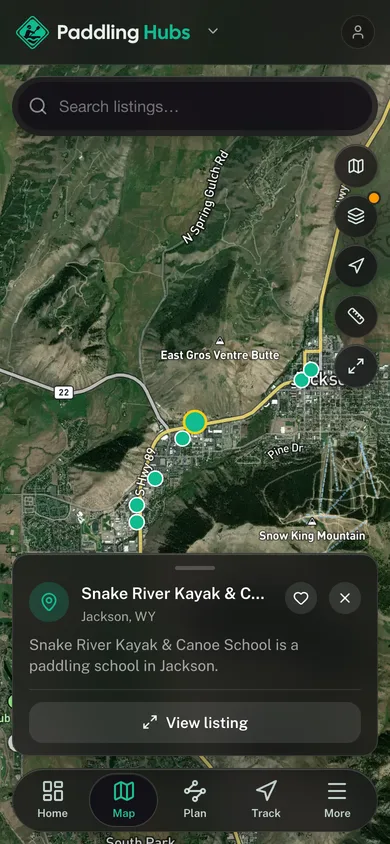
14 on the map
Tap a pin to open its profile.
Quick facts
- Rivers mapped
- 29
- Outfitters listed
- 14
- Best season
- May through October
All listings
14 outfitters
across Rhode Island



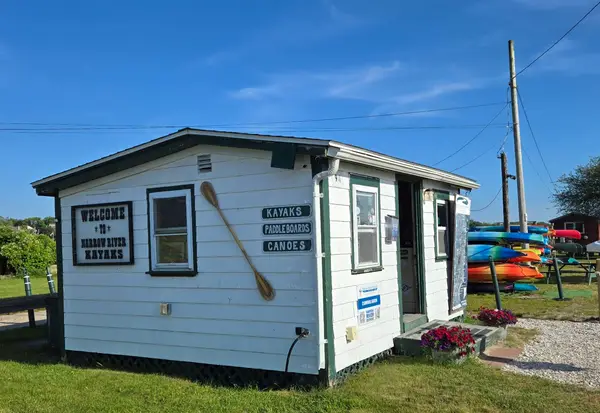

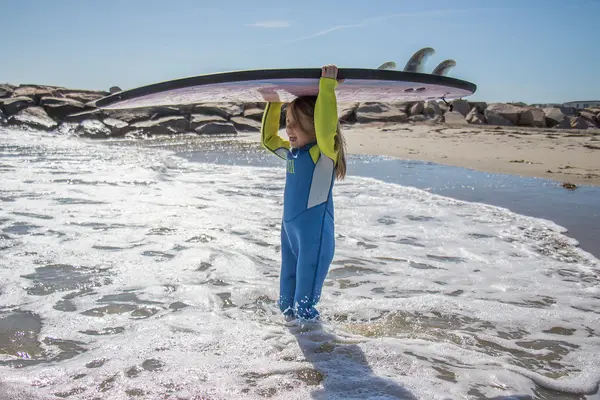
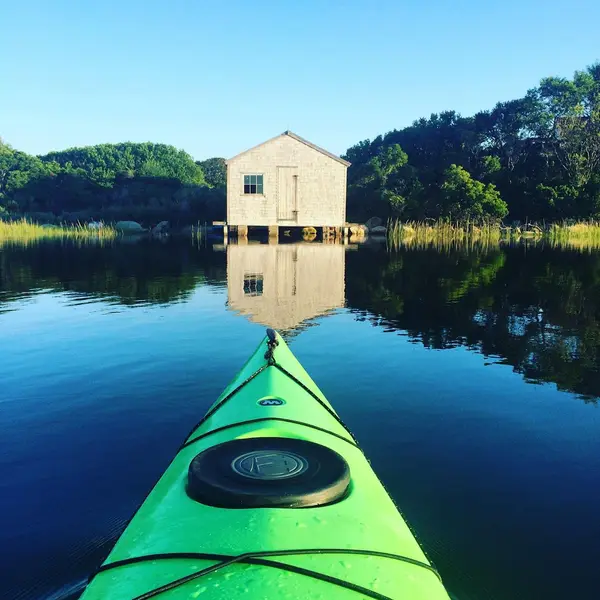
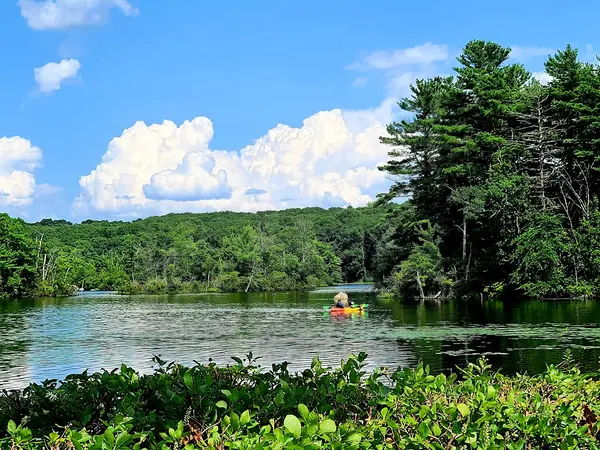


Plan your trip
Plan your trip to Rhode Island
Coastal & Estuarine Access
Rhode Island offers extensive public access to Narragansett Bay, its many coves, and coastal ponds like Ninigret and Point Judith. Many state parks and boat ramps provide launch points; check Rhode Island DEM for specific access sites and any associated fees.
River Paddling Conditions
Rivers such as the Blackstone and Pawcatuck are primarily flatwater to Class I, with occasional Class II sections during higher flows, particularly in spring. Always check USGS streamflow gauges before launching, as conditions can vary significantly with rainfall.
Cold Water Safety
Rhode Island's waters remain cold for much of the year, especially outside of peak summer. Always dress for the water temperature, not the air temperature, and wear a PFD. Hypothermia is a serious risk, even on calm days.
PFD Requirements
All paddlecraft users in Rhode Island must have a U.S. Coast Guard-approved wearable PFD on board for each person. Children 13 years of age and under must wear a PFD at all times while on any vessel.
Rentals, Tours, and Lessons
Numerous outfitters throughout the state provide kayaks, canoes, and SUP rentals. Guided tours explore coastal marshes, bay islands, and serene rivers. SUP and kayak lessons are widely available, catering to beginners and those looking to refine skills.
Confirm current requirements with the state agency before your trip. Rules and fees change every season.
PFD Requirement
All vessels, including kayaks, canoes, and stand-up paddleboards, must have a U.S. Coast Guard-approved wearable personal flotation device (PFD) for each person on board. Children 13 years of age and under must wear a PFD at all times while on any vessel.
Vessel Registration
Any vessel operated in Rhode Island waters, including paddlecraft, that is principally used in Rhode Island and powered by a motor (even a small electric trolling motor) must be registered with the state. Unpowered paddlecraft do not require registration.
Boating Under the Influence (BUI)
It is illegal to operate any vessel, including paddlecraft, while under the influence of alcohol or drugs. Rhode Island has strict BUI laws, and enforcement applies to all watercraft.
- 01
1. Choose Your Waterway
Decide between coastal bay exploration, calm river paddling, or sheltered pond excursions based on your skill level and desired experience. Research specific launch points and potential currents.
- 02
2. Check Conditions
Always consult local weather forecasts, tide charts (for coastal areas), and USGS streamflow gauges (for rivers) before heading out. Water levels and wind can significantly impact safety and enjoyment.
- 03
3. Secure Gear & Rentals
If you don't own equipment, locate a local outfitter offering kayak, canoe, or SUP rentals. Inquire about guided trips or lessons if you're new to paddling or the area.
- 04
4. Plan Logistics
Map out your put-in and take-out points, especially for river trips requiring a shuttle. Inform someone of your float plan, including your route and estimated return time.
- 05
5. Prioritize Safety
Dress appropriately for water temperature, always wear a U.S. Coast Guard-approved PFD, and carry essential safety gear like a whistle, extra paddle, and dry bag with emergency supplies.
01Are there any whitewater rafting opportunities in Rhode Island?
02Do I need a permit or license to kayak or canoe in Rhode Island?
03What are the best areas for beginner paddlers?
04Can I paddle to the islands in Narragansett Bay?
05Are there any specific regulations for stand-up paddleboards (SUPs) in Rhode Island?
06Is it safe to paddle in Rhode Island during the colder months?
Free tools
Your free outdoor toolkit

Everything Map
Listings, trails, spots, clubs and public land on a single full-screen map. Switch layers on and off, then tap any point for the details.
Open Everything MapRiver Explorer
Explore named rivers from the USGS hydrography dataset. Filter by water type or whitewater class.
Open River ExplorerRoute Planner
Drop stops on a map and watch distance and drive time add up. Export a GPX or share the link.
Open Route PlannerPaddling Clubs
Browse local clubs with meeting info and how to join, or start your own for free.
Open Paddling ClubsPhoto ID
Point your camera at whatever you found and get a structured identification. No signup.
Open Photo IDGear Checklists
Printable, save-as-you-go packing lists. Tick items off and pull them up on your phone.
Open Gear Checklists
Keep exploring