Outfitters · New Jersey
Outfitters in New Jersey
Paddle 20 outfitters across New Jersey. Maps, hours, contact info, photos, and verified operator profiles, all in one place.
Jersey Shore, Pine Barrens, and the Delaware Water Gap.
About New Jersey
Best time to go
When to paddle in New Jersey
April through November.
- April–May: spring runoff, the whitewater window
- June–September: lakes, ponds, and coastal sea kayaking
- September–October: foliage paddling on still-warm water
20 on the map
Tap a pin to open its profile.
Quick facts
- Rivers mapped
- 157
- Outfitters listed
- 20
- Best season
- April through November
All listings
20 outfitters
across New Jersey
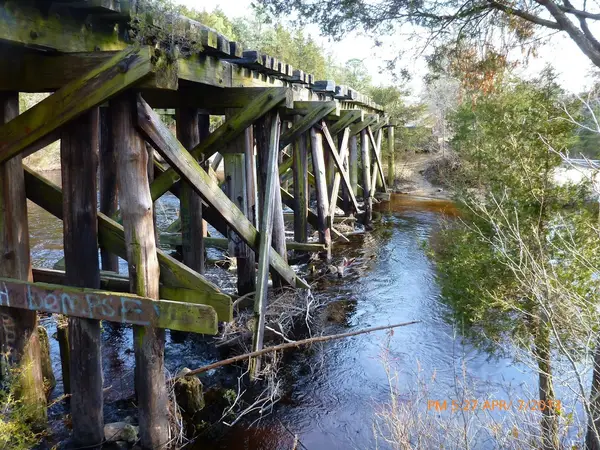
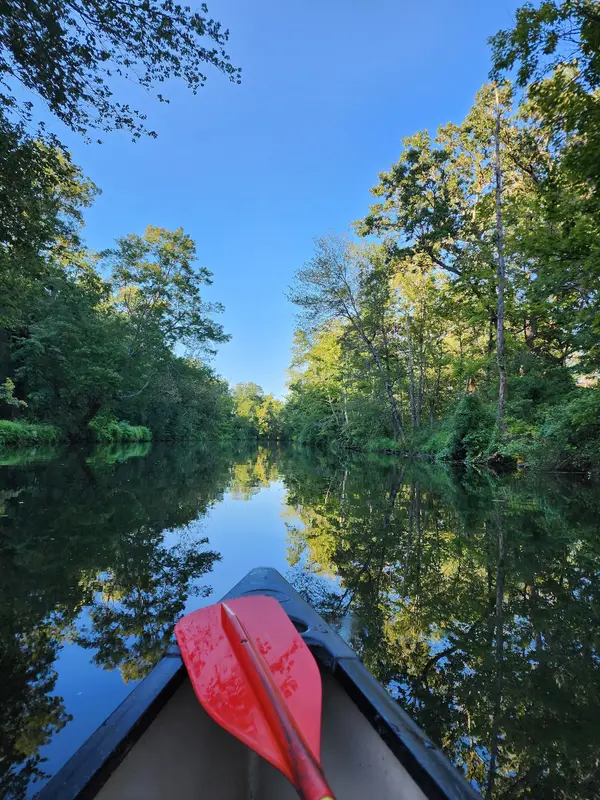
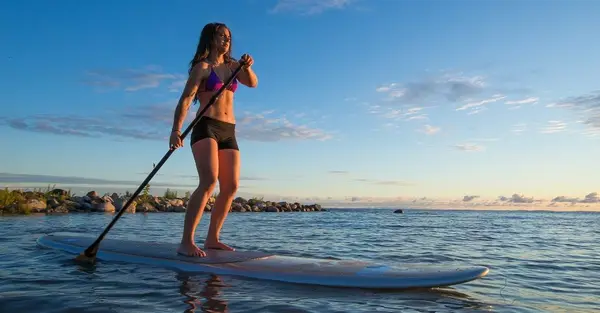
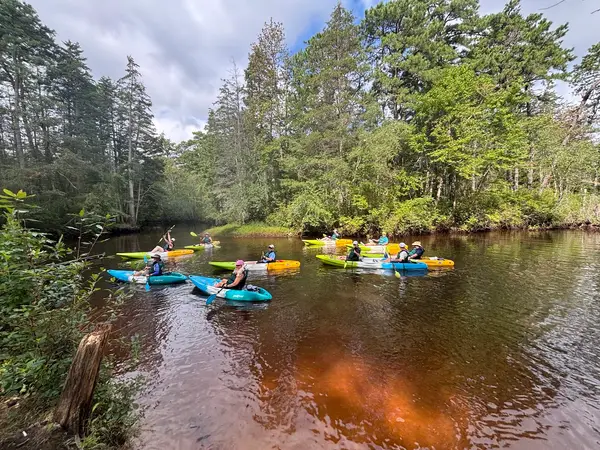
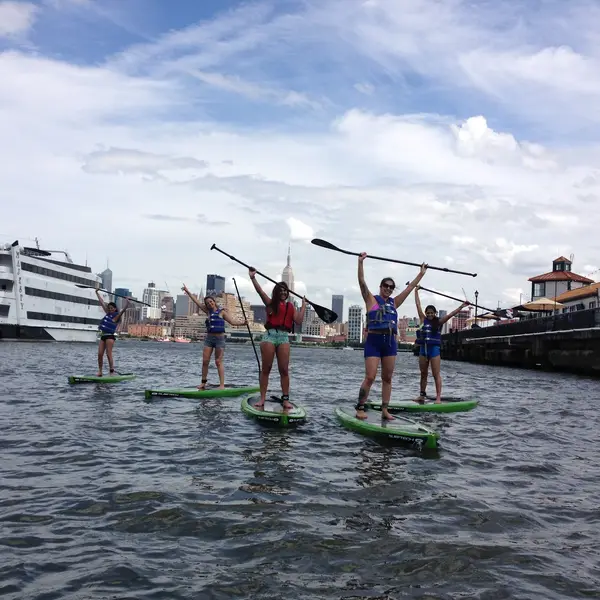
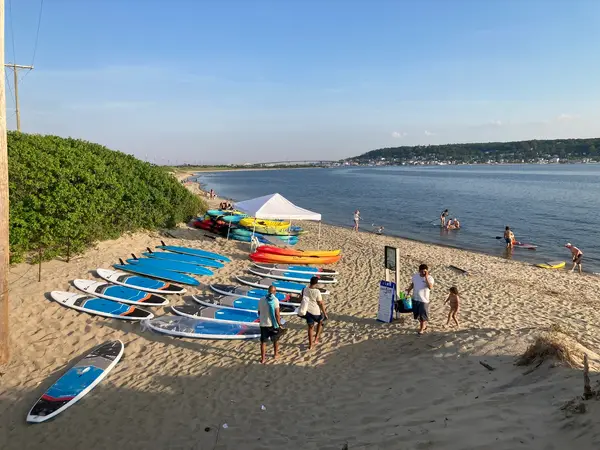
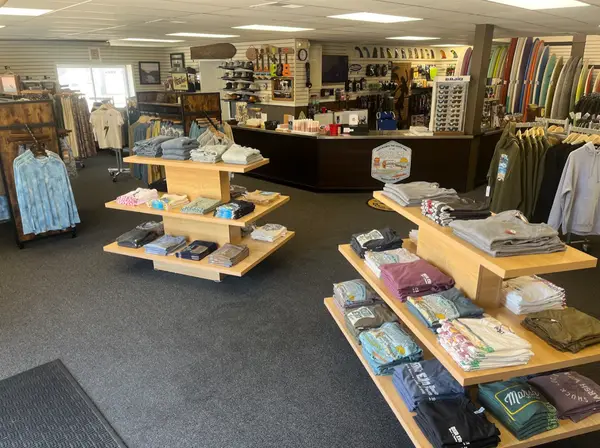
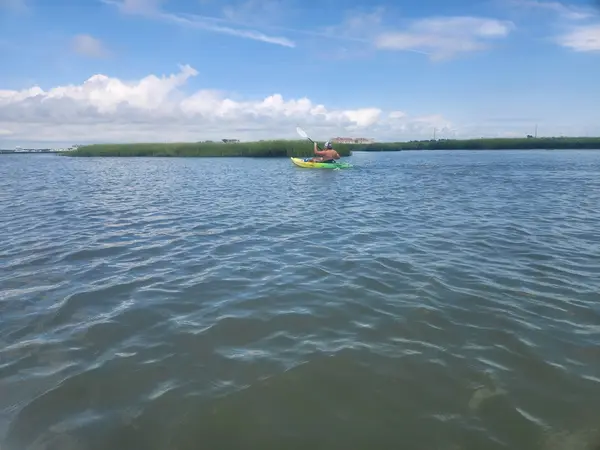
Plan your trip
Plan your trip to New Jersey
Waterways and Access
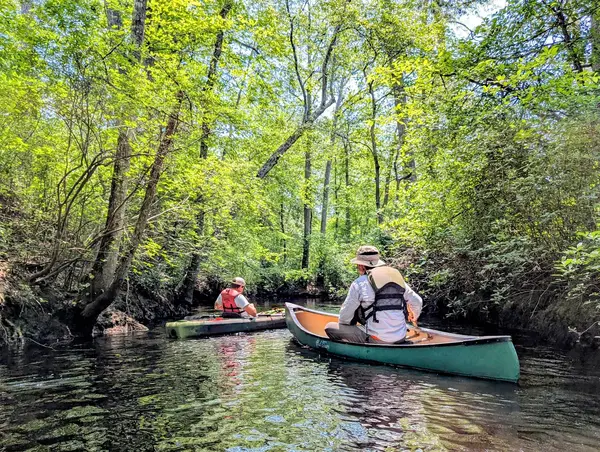
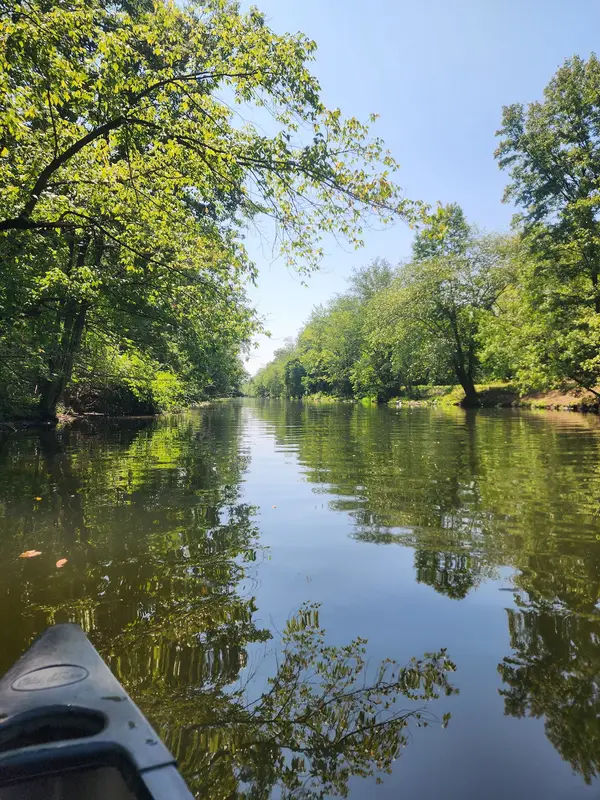
New Jersey offers flatwater paddling on most rivers (Delaware, Pine Barrens rivers, Raritan), numerous lakes (Lake Hopatcong, Spruce Run Reservoir), and coastal bays (Barnegat Bay, Great Bay). Whitewater opportunities are seasonal and primarily found on the Upper Delaware River, which generally features Class I-II rapids, dependent on rainfall. Public access points are available, often within state parks and forests, but outfitters typically manage put-in/take-out logistics for rentals and guided trips.
Paddling Season and Water Levels
The main paddling season runs from late spring through early fall. For whitewater on the Upper Delaware, spring rainfall is crucial for higher flows; paddlers should check USGS streamflow gauges for current conditions. Flatwater rivers and lakes are generally accessible all summer, though some smaller streams in the Pine Barrens can become quite shallow during prolonged dry spells.
Safety and PFD Requirements
All paddlers in New Jersey are required to have a U.S. Coast Guard-approved Personal Flotation Device (PFD) on board for each person, and children under 13 must wear a PFD while on any vessel. During cold water months (typically November 1 to May 1), it is strongly recommended, and often required by outfitters, to wear your PFD at all times, regardless of age or skill level.
Rentals, Guided Trips, and Lessons
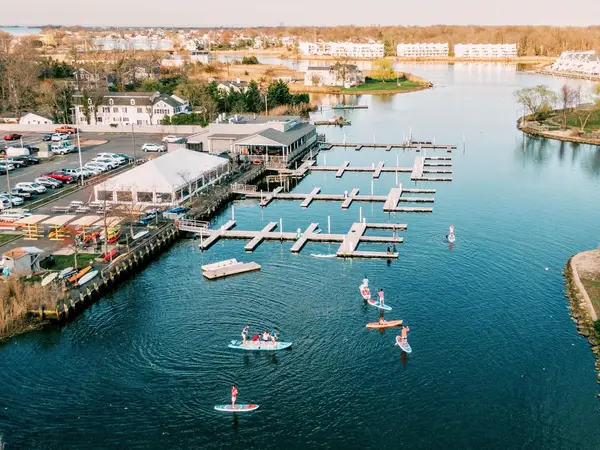
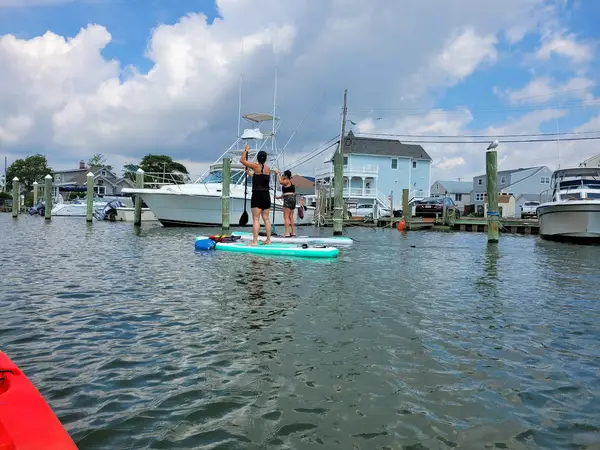
Outfitters across New Jersey provide a wide array of services. Kayak and canoe liveries are abundant on the Delaware River and in the Pine Barrens, offering rentals and shuttle services. Coastal areas feature SUP schools and sea kayaking tours. Whitewater rafting outfitters operate seasonally on the Upper Delaware. Guided trips and lessons are available for various paddlecraft and skill levels, providing instruction and local expertise.
Boat Registration
Unpowered paddlecraft (kayaks, canoes, SUPs) are generally exempt from New Jersey boat registration requirements. However, if your paddlecraft is over 12 feet in length and you plan to operate it in federally controlled waters, you may need to register it with the state. Always verify current regulations with the New Jersey Motor Vehicle Commission or Marine Police.
Confirm current requirements with the state agency before your trip. Rules and fees change every season.
Personal Flotation Device (PFD) Requirement
All vessels, including canoes, kayaks, and stand-up paddleboards, must carry one U.S. Coast Guard-approved wearable PFD for each person on board. Children under 13 years of age must wear a PFD at all times while on any vessel in New Jersey waters. It is strongly recommended that all paddlers wear their PFD, especially during cold water conditions.
Fishing License
If you plan to fish from your paddlecraft in New Jersey waters, you must possess a valid New Jersey fishing license. This applies to both fresh and marine waters. Licenses can be purchased online or from authorized agents.
Boat Registration for Paddlecraft
Unpowered vessels, including canoes, kayaks, and stand-up paddleboards, are generally exempt from New Jersey boat registration requirements. However, if your unpowered vessel is 12 feet or longer and you intend to operate it on federally controlled waters, registration may be required. Always confirm with the New Jersey Motor Vehicle Commission or Marine Police for specific guidelines.
- 01
Determine Your Paddling Preference
Decide whether you prefer flatwater (lakes, calm rivers, bays), mild whitewater, or sea kayaking. This will help narrow down suitable regions and specific waterways within New Jersey.
- 02
Choose a Region and Waterway
Based on your preference, select a New Jersey region (e.g., Upper Delaware, Pine Barrens, Coastal Bays) and a specific river, lake, or bay that aligns with your skill level and desired experience.
- 03
Find a Local Outfitter
Locate an outfitter in your chosen area that offers rentals, guided trips, or lessons for your preferred paddlecraft. They can provide equipment, local knowledge, and logistical support like shuttles.
- 04
Check Conditions and Regulations
Before heading out, always check the weather forecast, water levels (especially for rivers), and any specific park or waterway advisories. Familiarize yourself with New Jersey's PFD requirements and other relevant boating regulations.
- 05
Prepare and Pack Essentials
Gather necessary gear: a U.S. Coast Guard-approved PFD, appropriate clothing for the weather and water temperature, sun protection, sufficient water, and any personal safety items. Inform someone of your float plan.
01Is a permit or license required to paddle in New Jersey?
02What are the best rivers for beginner paddlers in New Jersey?
03Can I paddle in the Pine Barrens, and what should I expect?
04Do I need to wear a PFD for kayaking or SUP in New Jersey?
05When is the best time of year to go paddling in New Jersey?
06Are there whitewater paddling opportunities in New Jersey?
Free tools
Your free outdoor toolkit

Everything Map
Listings, trails, spots, clubs and public land on a single full-screen map. Switch layers on and off, then tap any point for the details.
Open Everything MapRiver Explorer
Explore named rivers from the USGS hydrography dataset. Filter by water type or whitewater class.
Open River ExplorerRoute Planner
Drop stops on a map and watch distance and drive time add up. Export a GPX or share the link.
Open Route PlannerPaddling Clubs
Browse local clubs with meeting info and how to join, or start your own for free.
Open Paddling ClubsPhoto ID
Point your camera at whatever you found and get a structured identification. No signup.
Open Photo IDGear Checklists
Printable, save-as-you-go packing lists. Tick items off and pull them up on your phone.
Open Gear Checklists
Keep exploring