Outfitters · New Hampshire
Outfitters in New Hampshire
Paddle 18 outfitters across New Hampshire. Maps, hours, contact info, photos, and verified operator profiles, all in one place.
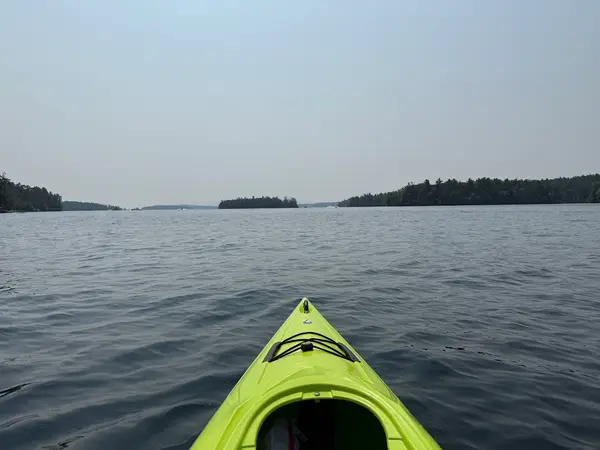
White Mountains, lakes region, and 18 miles of Atlantic coastline.
About New Hampshire
Best time to go
When to paddle in New Hampshire
May through October. Peak fall color late September.
- April–May: spring runoff, the whitewater window
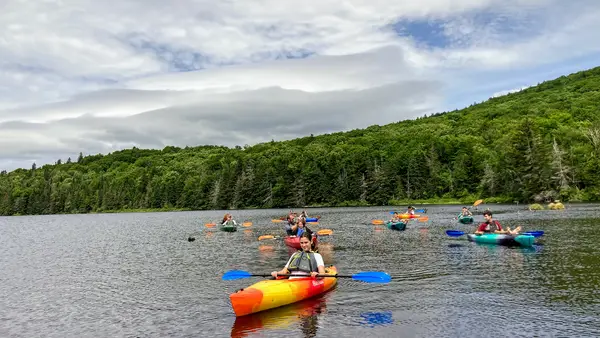
- June–September: lakes, ponds, and coastal sea kayaking
- September–October: foliage paddling on still-warm water
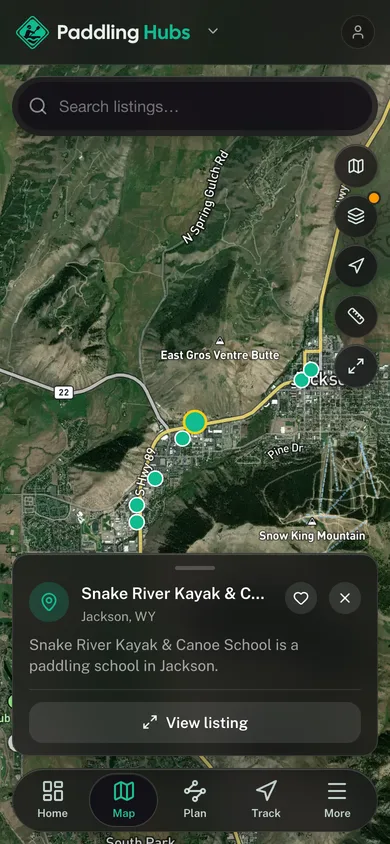
18 on the map
Tap a pin to open its profile.
Quick facts
- Rivers mapped
- 147
- Outfitters listed
- 18
- Best season
- May through October
All listings
18 outfitters
across New Hampshire




Plan your trip
Plan your trip to New Hampshire
Waterways and Water Levels
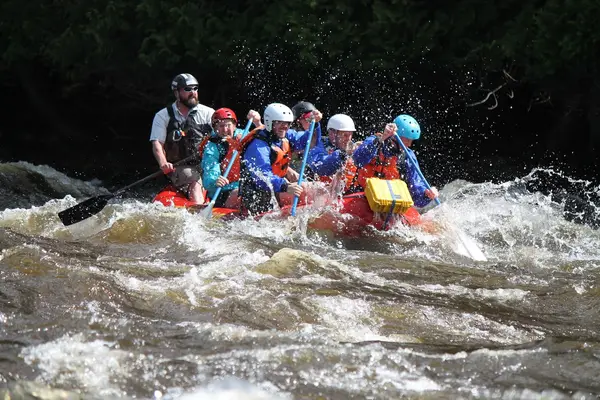
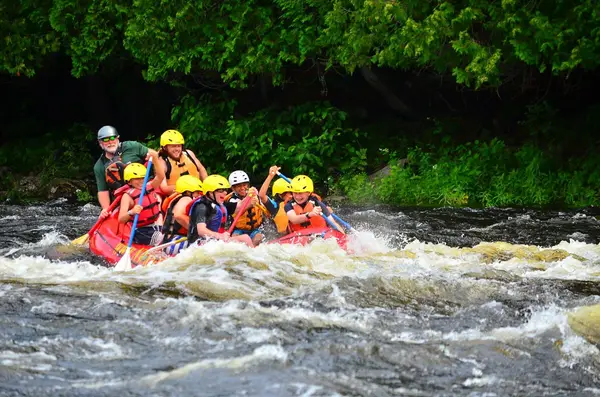
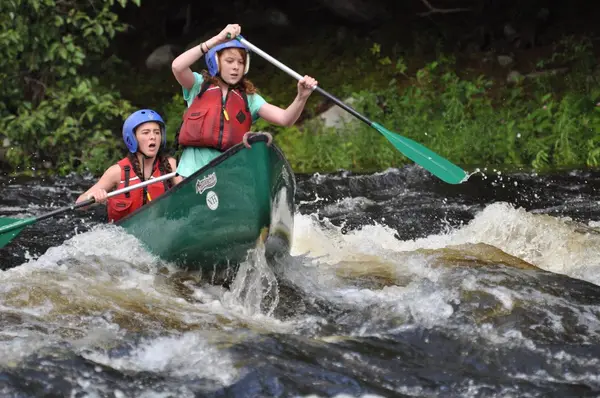
New Hampshire offers flatwater on its numerous lakes (e.g., Lake Winnipesaukee, Squam Lake) and calmer rivers (e.g., Saco River), as well as whitewater on rivers like the Androscoggin (Class II-III) and sections of the Contoocook. River conditions, especially for whitewater, are highly dependent on recent rainfall and snowmelt; always check USGS streamflow gauges and dam release schedules for specific runs before planning a trip.
Safety and PFD Requirements
Cold water safety is paramount, particularly in spring and fall. The state requires all paddlecraft users to have a U.S. Coast Guard-approved Personal Flotation Device (PFD) on board. Children 12 years of age and younger must wear a PFD at all times while on board any paddlecraft. Consider wearing a PFD at all times, regardless of age or skill.
Access and Logistics
Public boat launches are available on many lakes and rivers, managed by state parks or local municipalities. For river trips, consider shuttle logistics for put-in and take-out points. Many outfitters offer shuttle services, rentals, guided trips, and lessons, simplifying the planning process for both novices and experienced paddlers.
Rental, Guided Trip, and Lesson Availability
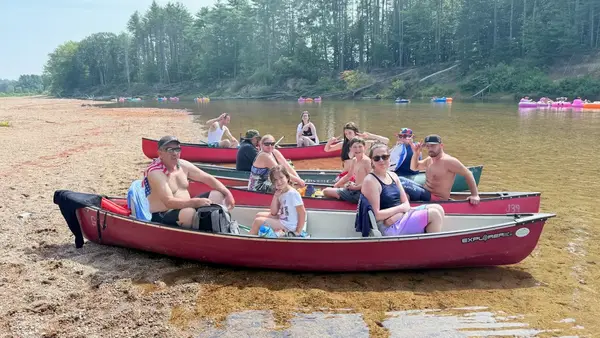
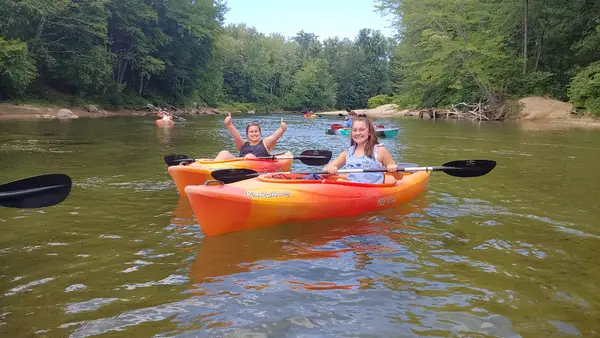
Kayak, canoe, and SUP rentals are widely available across the state, especially in popular paddling regions. Numerous outfitters provide guided tours, ranging from serene lake paddles to exhilarating whitewater adventures, often including equipment and instruction. SUP schools offer beginner to advanced lessons, focusing on technique and safety on flatwater.
Confirm current requirements with the state agency before your trip. Rules and fees change every season.
Personal Flotation Devices (PFDs)
All vessels, including kayaks, canoes, and stand-up paddleboards, must have at least one U.S. Coast Guard-approved wearable PFD for each person on board. Children 12 years of age and younger must wear a PFD at all times while on board any vessel. This is a critical safety requirement for all paddlers in New Hampshire.
NH Fish and Game DepartmentBoat Registration
Unmotorized paddlecraft, such as kayaks, canoes, and SUPs, that are 19 feet or less in length are generally exempt from registration requirements in New Hampshire. However, any paddlecraft equipped with a motor, regardless of size, must be registered with the NH Department of Safety, Marine Patrol Bureau. Always verify specific requirements with the state agency.
Safe Boating Practices
While not a formal 'license' for paddlecraft, all boaters are expected to adhere to safe boating practices, including avoiding reckless operation, understanding navigation rules, and being aware of weather conditions. Operating any vessel under the influence of alcohol or drugs is strictly prohibited and carries severe penalties.
- 01
1. Define Your Paddling Experience
Determine your skill level and what kind of paddling adventure you seek: tranquil lake touring, a casual river float, challenging whitewater, or coastal exploration. This will help narrow down suitable regions and waterways.
- 02
2. Research Regions and Outfitters
Identify New Hampshire regions that match your desired experience. Search for local kayak and canoe liveries, whitewater rafting outfitters, or SUP schools in those areas, checking their offerings for rentals, guided trips, or lessons.
- 03
3. Check Conditions and Regulations
Before your trip, always verify weather forecasts, water levels (especially for rivers via USGS gauges), and any specific local regulations or access requirements. Ensure you understand and comply with PFD laws.
- 04
4. Book Your Equipment or Trip
Contact your chosen outfitter to reserve rentals, book a guided trip, or schedule lessons. Inquire about included gear, safety briefings, and any shuttle services they provide for river trips.
- 05
5. Prepare for Safety
Pack appropriate clothing for the weather and water temperature, bring plenty of water and snacks, and always wear or have ready a U.S. Coast Guard-approved PFD. Inform someone of your float plan.
01Do I need a special permit to paddle my own kayak or canoe in New Hampshire?
02What are the best rivers for whitewater rafting in New Hampshire?
03Can I rent kayaks, canoes, or SUPs in New Hampshire?
04Are there guided paddling tours available for beginners?
05What safety equipment is legally required for paddlecraft in New Hampshire?
06When is the best time of year to paddle in New Hampshire?
Free tools
Your free outdoor toolkit

Everything Map
Listings, trails, spots, clubs and public land on a single full-screen map. Switch layers on and off, then tap any point for the details.
Open Everything MapRiver Explorer
Explore named rivers from the USGS hydrography dataset. Filter by water type or whitewater class.
Open River ExplorerRoute Planner
Drop stops on a map and watch distance and drive time add up. Export a GPX or share the link.
Open Route PlannerPaddling Clubs
Browse local clubs with meeting info and how to join, or start your own for free.
Open Paddling ClubsPhoto ID
Point your camera at whatever you found and get a structured identification. No signup.
Open Photo IDGear Checklists
Printable, save-as-you-go packing lists. Tick items off and pull them up on your phone.
Open Gear Checklists

Keep exploring