Outfitters · Montana
Outfitters in Montana
Paddle 26 outfitters across Montana. Maps, hours, contact info, photos, and verified operator profiles, all in one place.
Big Sky country. Glacier, the Bob, and the Yellowstone headwaters.
About Montana
Best time to go
When to paddle in Montana
June through October.
- Late May–July: peak runoff, the whitewater window
- August–September: lower, warmer, more forgiving flows
- Snowmelt water stays dangerously cold even in summer heat
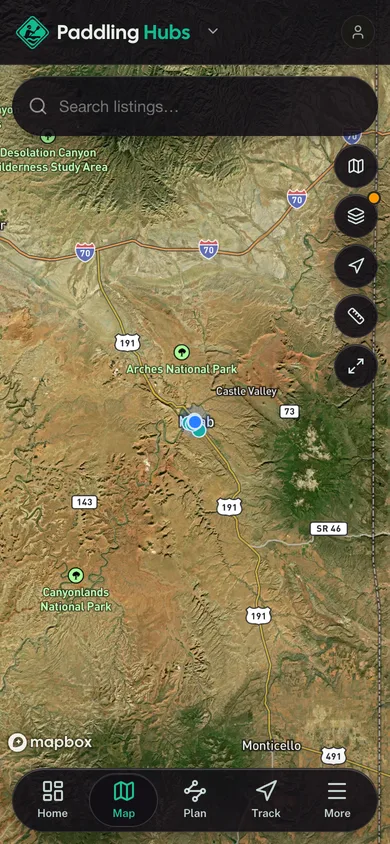
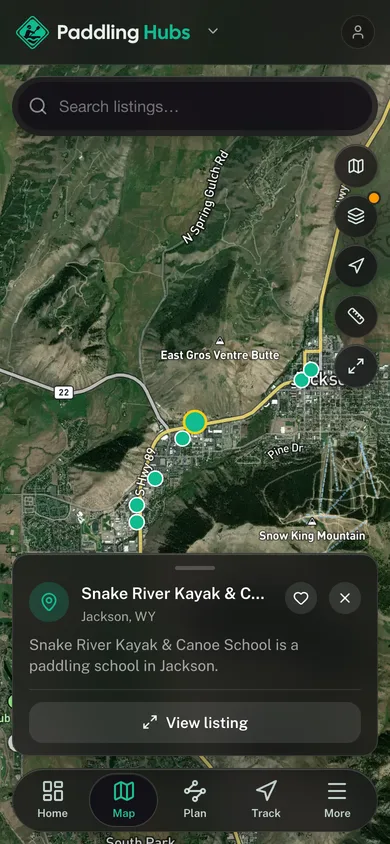
26 on the map
Tap a pin to open its profile.
Quick facts
- Rivers mapped
- 247
- Outfitters listed
- 26
- Best season
- June through October
All listings
26 outfitters
across Montana
Plan your trip
Plan your trip to Montana
Aquatic Invasive Species (AIS) Prevention
All watercraft entering Montana waters, including kayaks, canoes, and SUPs, must undergo an AIS inspection. Non-resident boats are required to be inspected upon entering the state and display an AIS decal. Failure to comply can result in fines. Always 'Clean, Drain, Dry' your equipment.
Whitewater Class Ratings and River Flows
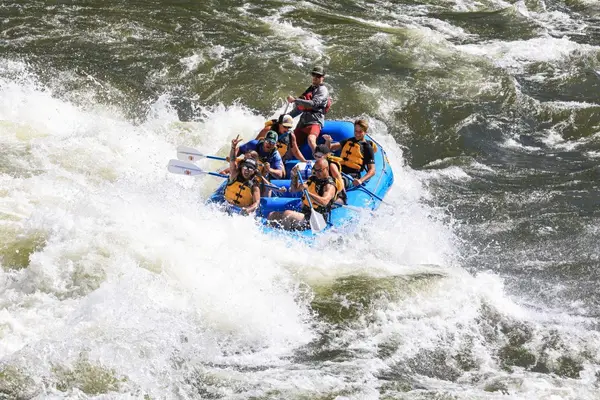
Montana rivers offer a range of whitewater, from Class II (e.g., sections of the Yellowstone) to Class IV (e.g., Middle Fork of the Flathead at certain flows). River conditions, especially for whitewater, are highly dependent on snowmelt and rainfall. Always check USGS streamflow gauges or consult local outfitters for current conditions before embarking on a trip.
Personal Flotation Devices (PFDs) and Cold Water Safety
Montana law requires all paddlecraft users to have a U.S. Coast Guard-approved PFD readily accessible. Children 12 years of age and younger must wear a PFD at all times while on board. Many Montana waters remain extremely cold even in summer; proper attire like wetsuits or drysuits is essential, especially for whitewater or early/late season paddling.
Outfitter Services and Access
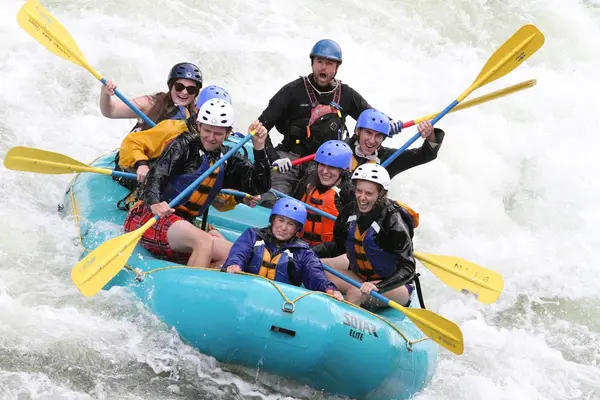
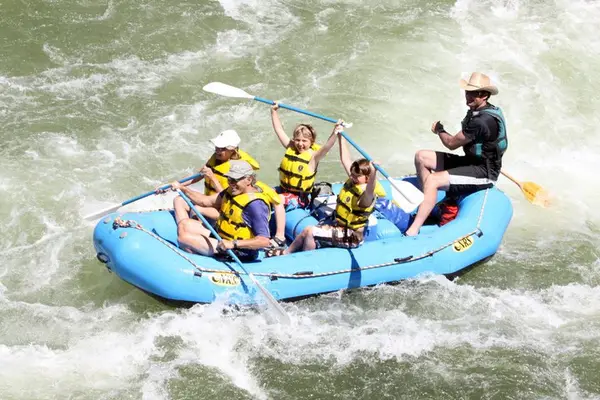
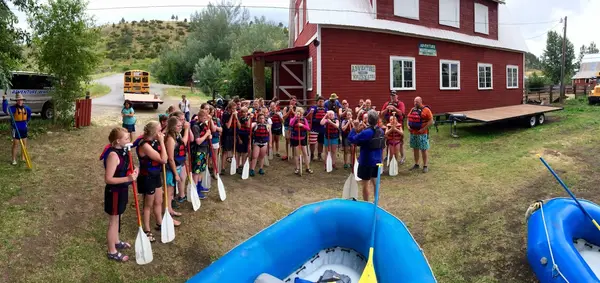
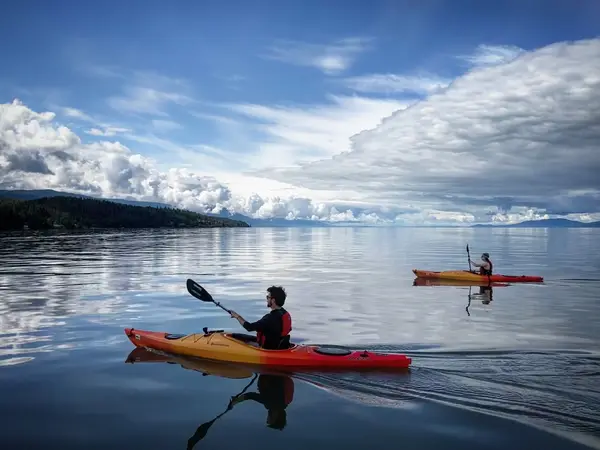
Outfitters across Montana provide a full spectrum of services, including kayak, canoe, and SUP rentals, guided whitewater rafting trips, flatwater tours, and paddling lessons. They often handle shuttle logistics for river trips and can advise on appropriate put-in/take-out locations. Booking in advance, especially during peak summer, is highly recommended.
Permits for Specific Areas
While most state and federal lands allow general paddling access, specific permits may be required for certain areas, particularly within Glacier National Park for motorized vessels or overnight backcountry trips. Always verify local regulations with the managing agency for your intended paddling destination.
Confirm current requirements with the state agency before your trip. Rules and fees change every season.
Aquatic Invasive Species (AIS) Inspection
All watercraft, including non-motorized paddlecraft, are required to be inspected for aquatic invasive species upon entering Montana or before launching in certain high-risk waters. Non-residents must purchase an AIS prevention pass.
Montana FWPPersonal Flotation Devices (PFDs)
A U.S. Coast Guard-approved PFD must be carried for each person on board all vessels, including kayaks, canoes, and stand-up paddleboards. Children 12 years of age and younger must wear a PFD at all times while on a vessel.
Fishing License
If you plan to fish while paddling, a valid Montana fishing license is required for anyone 12 years of age or older. Licenses can be purchased online or from authorized vendors throughout the state.
- 01
Research Your Destination
Identify specific rivers or lakes that match your skill level and desired paddling experience (flatwater, whitewater, multi-day trip). Consider popular areas like the Flathead River near Glacier or the Yellowstone River for diverse options.
- 02
Contact Local Outfitters
Reach out to kayak, canoe, SUP, or whitewater rafting outfitters in your chosen region. They can provide rentals, guided trips, lessons, and essential local knowledge about conditions, put-in/take-out points, and shuttle services.
- 03
Check Water Conditions and Forecasts
Before your trip, always consult USGS streamflow gauges for river levels and local weather forecasts. This is crucial for safety, especially on whitewater rivers where conditions can change rapidly with snowmelt or rain.
- 04
Understand Montana Regulations
Familiarize yourself with Montana's Aquatic Invasive Species (AIS) inspection requirements and mandatory PFD regulations. Ensure you have the necessary permits or licenses, such as a fishing license if you plan to fish.
- 05
Prepare Your Gear and Safety Plan
Gather appropriate paddling gear, including cold-water protection if necessary, and ensure you have a U.S. Coast Guard-approved PFD for every person. Inform someone of your float plan and expected return time, especially for remote trips.
01What is the best time of year for whitewater rafting in Montana?
02Do I need a special permit to paddle my own kayak or SUP in Montana?
03Are PFDs (life jackets) required for paddlecraft in Montana?
04What types of paddling experiences are available in Montana?
05Can I rent paddling gear or do I need to bring my own?
06Is the water cold in Montana, even in summer?
Free tools
Your free outdoor toolkit

Everything Map
Listings, trails, spots, clubs and public land on a single full-screen map. Switch layers on and off, then tap any point for the details.
Open Everything MapRiver Explorer
Explore named rivers from the USGS hydrography dataset. Filter by water type or whitewater class.
Open River ExplorerRoute Planner
Drop stops on a map and watch distance and drive time add up. Export a GPX or share the link.
Open Route PlannerPaddling Clubs
Browse local clubs with meeting info and how to join, or start your own for free.
Open Paddling ClubsPhoto ID
Point your camera at whatever you found and get a structured identification. No signup.
Open Photo IDGear Checklists
Printable, save-as-you-go packing lists. Tick items off and pull them up on your phone.
Open Gear Checklists
Keep exploring