Outfitters · Kansas
Outfitters in Kansas
Paddle 6 outfitters across Kansas. Maps, hours, contact info, photos, and verified operator profiles, all in one place.
Tallgrass prairie remnants and the Smoky Hills.
About Kansas
Best time to go
When to paddle in Kansas
April through October.
- June–August: peak flatwater and wilderness canoe tripping
- Classic canoe routes (e.g. the Boundary Waters) are a summer window
- Ice governs the shoulder seasons, and the season is short
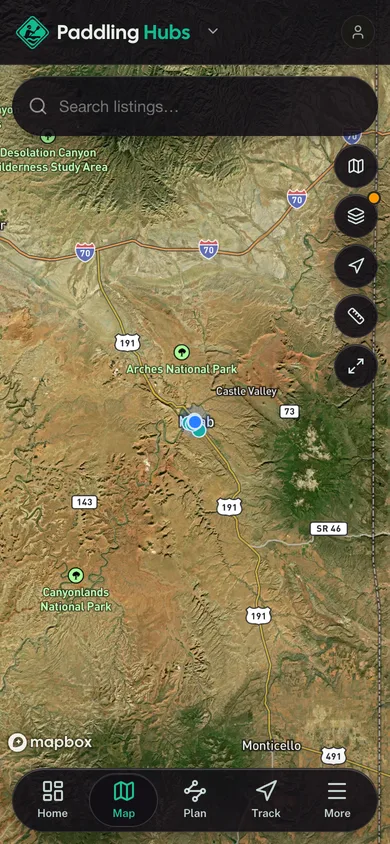
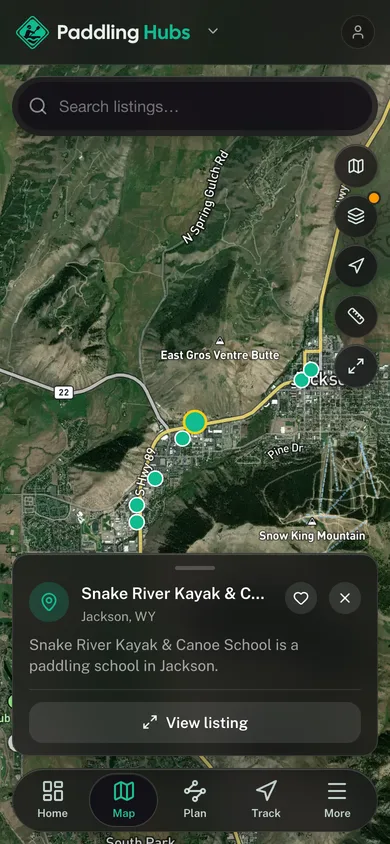
6 on the map
Tap a pin to open its profile.
Quick facts
- Rivers mapped
- 137
- Outfitters listed
- 6
- Best season
- April through October
All listings
6 outfitters
across Kansas
Plan your trip
Plan your trip to Kansas
Water Levels and Flow Conditions
Kansas river conditions are highly dependent on rainfall and recent weather. Always check USGS streamflow gauges for rivers like the Kansas River (Kaw), Marais des Cygnes, and Neosho before your trip. Low water can necessitate portages, while high water can present hazardous conditions.
Flatwater Dominance
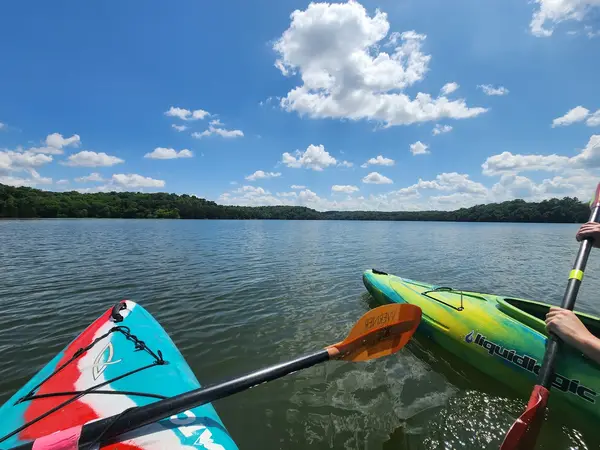
Kansas is predominantly a flatwater paddling destination. Expect calm to slow-moving river sections and expansive reservoirs. Significant whitewater rafting opportunities are virtually nonexistent; any 'whitewater' is typically mild Class I-II on smaller creeks during specific high-flow events.
PFD and Cold Water Safety
A U.S. Coast Guard-approved wearable personal flotation device (PFD) must be on board for each person on a paddlecraft. Children 12 and under are required to wear a PFD at all times while on any vessel. Cold water safety protocols are crucial outside of the summer months, with dry suits or wetsuits often recommended.
Access and Shuttle Logistics
Public access points are available at various state parks, wildlife areas, and municipal parks along rivers and lakes. For river trips, plan your put-in and take-out points carefully. Many local outfitters offer shuttle services in conjunction with rentals, or you may need to arrange your own vehicle shuttle.
Rental, Guided Trip, and Lesson Availability
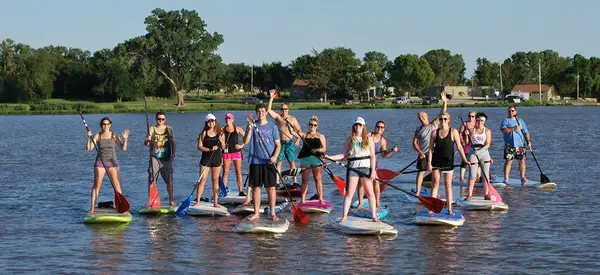
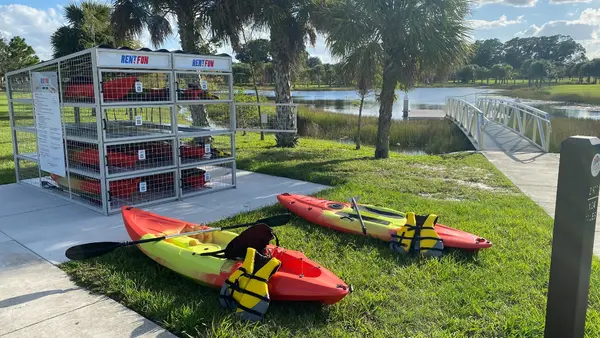
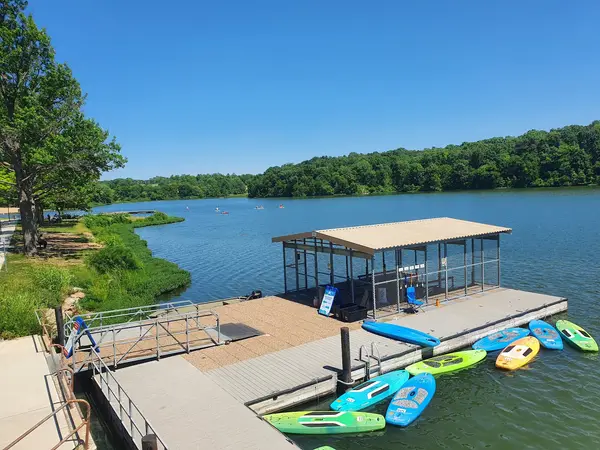
Kayak, canoe, and stand-up paddleboard (SUP) rentals are widely available from outfitters and at state park marinas, particularly around major reservoirs and the Kansas River. Guided paddling trips and SUP lessons are also offered by various operators, catering to all skill levels.
Confirm current requirements with the state agency before your trip. Rules and fees change every season.
Vessel Registration
All non-motorized vessels over 10 feet in length, including canoes, kayaks, and stand-up paddleboards, must be registered with the Kansas Department of Wildlife and Parks (KDWP) if operating on public waters. Vessels 10 feet or less in length are generally exempt, but it's always best to verify current regulations.
Fishing License
If you plan to fish from your paddlecraft, a valid Kansas fishing license is required for all residents and non-residents aged 16 and older. Licenses can be purchased online or through authorized vendors across the state.
Boater Education
While not strictly mandatory for all paddlecraft operators, the KDWP offers boater education courses that cover essential safety practices, navigation rules, and environmental stewardship. Completing a course is highly recommended for all paddlers to enhance their safety and knowledge on the water.
- 01
Research Your Destination
Identify specific rivers or lakes that align with your skill level and desired experience. Consider factors such as water access, proximity to services, and the type of scenery you wish to encounter.
- 02
Check Water Conditions
Before every trip, consult USGS streamflow gauges for river conditions or local park advisories for lake conditions. High winds on large reservoirs can create challenging and potentially dangerous conditions for paddlecraft.
- 03
Secure Gear and Services
Determine if you need to rent a kayak, canoe, or SUP, or if you prefer a guided trip or lessons. Contact local outfitters in advance to make reservations and confirm equipment availability, especially during peak seasons.
- 04
Plan Your Logistics
For river trips, establish your put-in and take-out points and arrange for shuttle transportation. Pack all necessary safety gear, including PFDs, sufficient water, snacks, sun protection, and a first-aid kit.
- 05
Understand Regulations
Familiarize yourself with Kansas Department of Wildlife and Parks (KDWP) boating regulations, particularly regarding vessel registration, PFD requirements, and any area-specific rules, to ensure a safe and compliant paddling experience.
01What types of paddling are most common in Kansas?
02Are there any whitewater rafting opportunities in Kansas?
03Do I need to register my kayak or canoe in Kansas?
04Where are the best places for beginners to paddle in Kansas?
05Can I rent paddling equipment in Kansas?
06What is the best time of year to go paddling in Kansas?
Free tools
Your free outdoor toolkit

Everything Map
Listings, trails, spots, clubs and public land on a single full-screen map. Switch layers on and off, then tap any point for the details.
Open Everything MapRiver Explorer
Explore named rivers from the USGS hydrography dataset. Filter by water type or whitewater class.
Open River ExplorerRoute Planner
Drop stops on a map and watch distance and drive time add up. Export a GPX or share the link.
Open Route PlannerPaddling Clubs
Browse local clubs with meeting info and how to join, or start your own for free.
Open Paddling ClubsPhoto ID
Point your camera at whatever you found and get a structured identification. No signup.
Open Photo IDGear Checklists
Printable, save-as-you-go packing lists. Tick items off and pull them up on your phone.
Open Gear Checklists

Keep exploring