Outfitters · Colorado
Outfitters in Colorado
Paddle 26 outfitters across Colorado. Maps, hours, contact info, photos, and verified operator profiles, all in one place.
58 fourteeners, alpine basins, and the headwaters of seven major rivers.
About Colorado
Best time to go
When to paddle in Colorado
June through September for high country; year-round for resorts.
- Late May–July: peak runoff, the whitewater window
- August–September: lower, warmer, more forgiving flows
- Snowmelt water stays dangerously cold even in summer heat
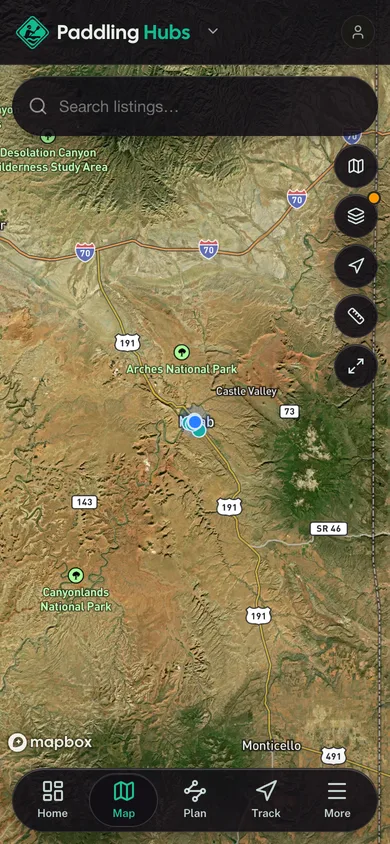
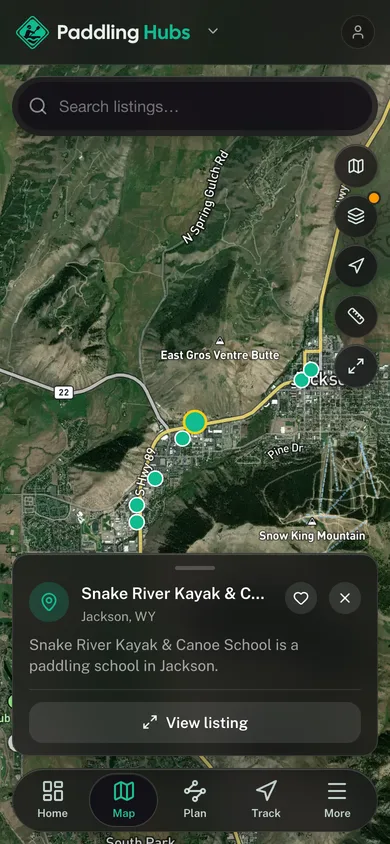
26 on the map
Tap a pin to open its profile.
Quick facts
- Rivers mapped
- 443
- Outfitters listed
- 26
- Best season
- June through September
All listings
26 outfitters
across Colorado
Plan your trip
Plan your trip to Colorado
Water Levels and Flow Windows
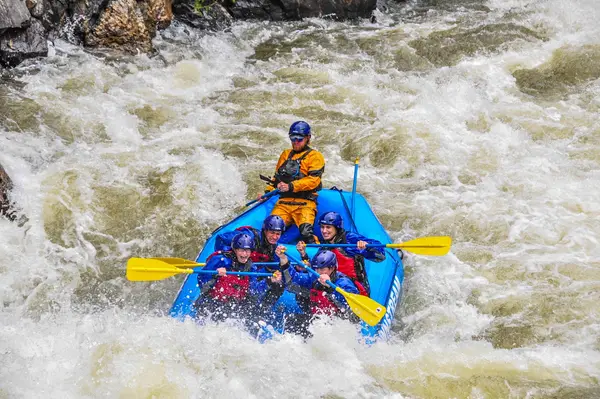
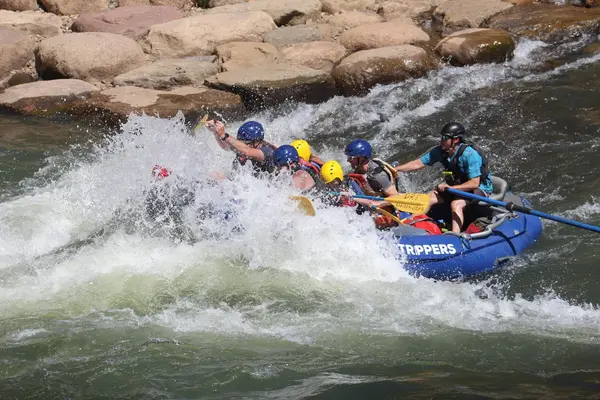
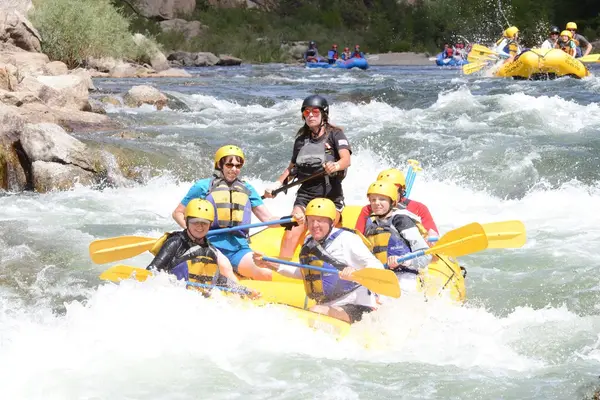
Colorado's rivers are primarily snowmelt-fed, meaning water levels fluctuate significantly. Whitewater runs are best during peak runoff (late May to early July). Always check USGS streamflow gauges or consult outfitters for current conditions, especially for runs like the Numbers on the Arkansas River (Class IV-V) or Browns Canyon (Class III-IV).
Flatwater vs. Whitewater Options
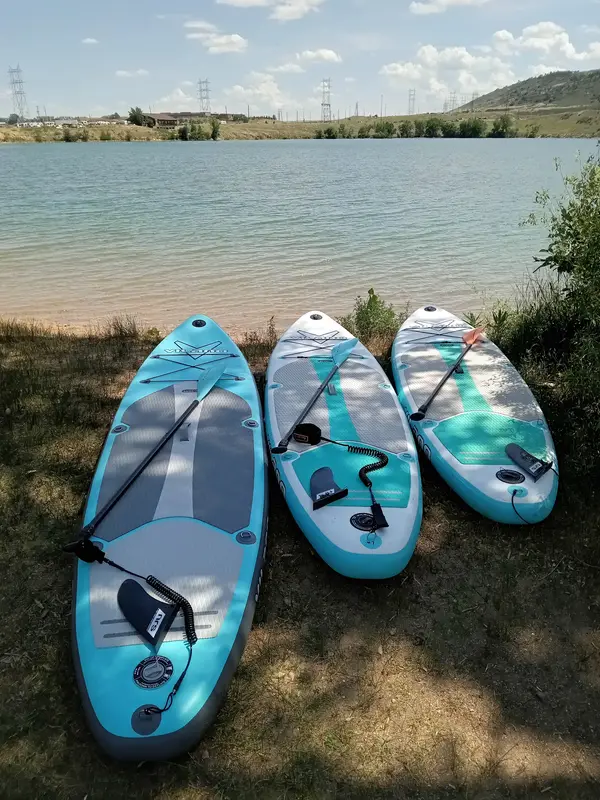
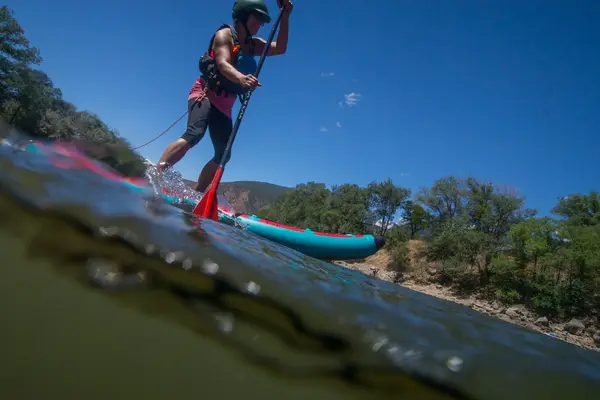
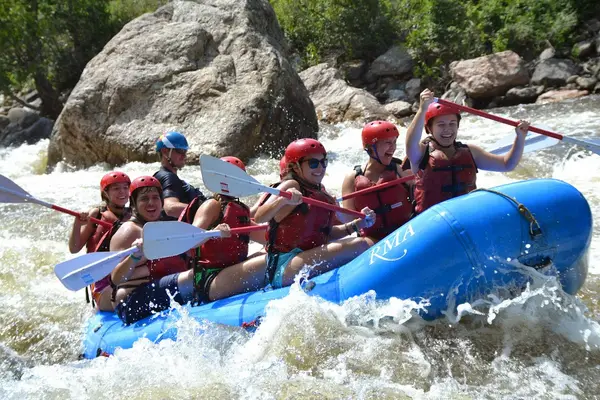
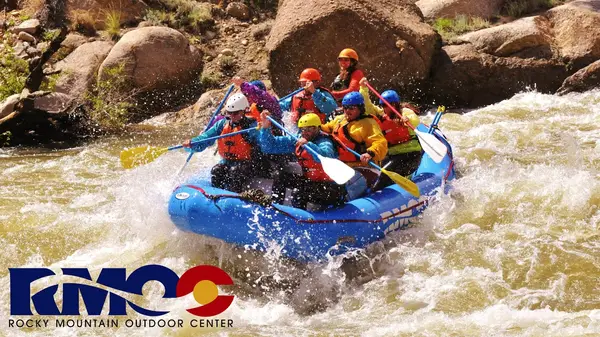
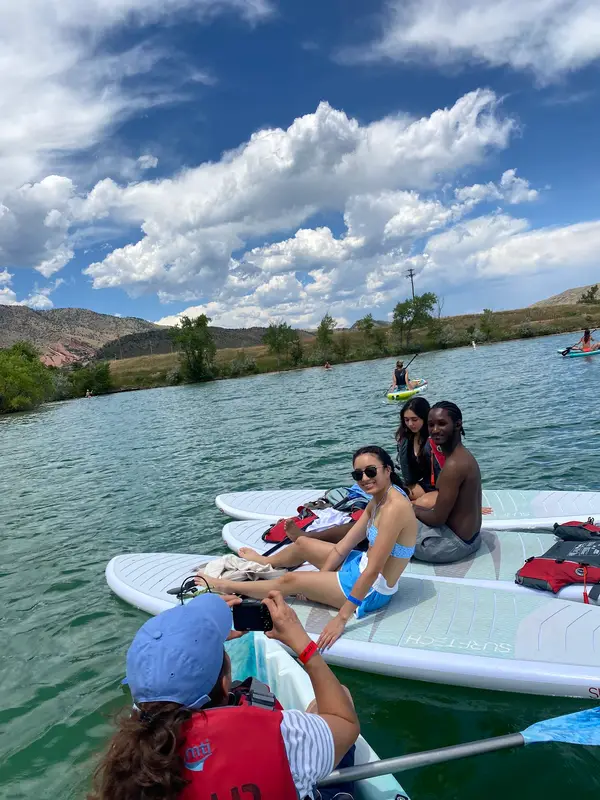
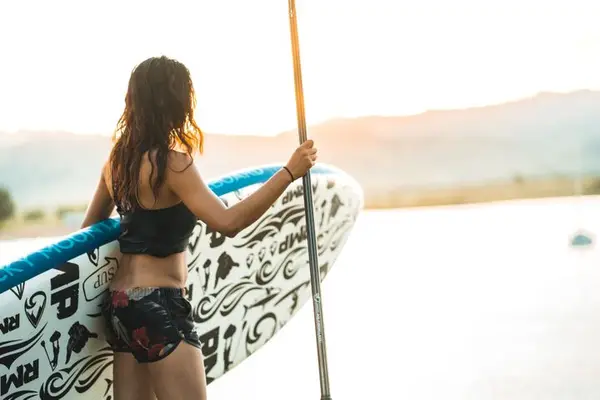
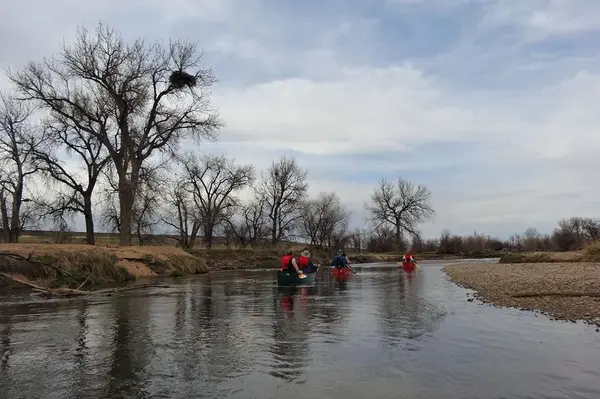
The state offers a clear distinction. Flatwater paddling is abundant on reservoirs like Dillon, Grand Lake, and Blue Mesa. Whitewater is prominent on the Arkansas, Colorado, Animas, and Yampa Rivers. Many outfitters specialize in one or both, offering tailored experiences from serene SUP tours to multi-day rafting expeditions.
Put-in, Take-out, and Shuttle Logistics
For self-guided trips, understanding access points and arranging shuttles is crucial, particularly on longer river sections. Many outfitters provide shuttle services or detailed information for specific runs. Public access points are often managed by Colorado Parks and Wildlife (CPW) or BLM.
Cold-Water and PFD Safety
Colorado waters remain cold year-round, even in summer. Always wear a properly fitted U.S. Coast Guard-approved Personal Flotation Device (PFD). Wetsuits or drysuits are highly recommended, especially during spring runoff or for any whitewater activity. State law requires a PFD for each person on board any paddlecraft.
Rental, Guided Trip, and Lesson Availability
Outfitters throughout Colorado offer a wide range of services. Rentals are common for flatwater kayaks, canoes, and SUPs. Guided whitewater rafting trips are highly popular and recommended for beginners. Lessons are available for all skill levels, from introductory SUP classes to advanced whitewater kayaking instruction.
Confirm current requirements with the state agency before your trip. Rules and fees change every season.
Personal Flotation Device (PFD) Requirement
Every person on board any vessel, including kayaks, canoes, and stand-up paddleboards, must have a U.S. Coast Guard-approved wearable PFD readily accessible. Children 12 years of age and younger must wear a PFD at all times when on any vessel.
Aquatic Nuisance Species (ANS) Inspections
All vessels, including paddlecraft, are subject to mandatory Aquatic Nuisance Species (ANS) inspections before launching into many Colorado waters to prevent the spread of invasive species like zebra and quagga mussels. Owners must stop at designated inspection stations.
Fishing License
Anyone 16 years of age or older who wishes to fish from a paddlecraft in Colorado waters must possess a valid Colorado fishing license. Licenses can be purchased online or from authorized vendors statewide.
- 01
1. Choose Your Paddling Discipline and Location
Decide if you prefer flatwater (lakes/reservoirs) or whitewater (rivers) and research regions known for that type of paddling. Consider your skill level and the experience you seek, whether it's a calm SUP session or a thrilling raft trip.
- 02
2. Research Outfitters and Book in Advance
Identify local outfitters in your chosen region that offer rentals, guided trips, or lessons for your preferred activity. Especially during peak summer months, booking well in advance is highly recommended to secure your spot and equipment.
- 03
3. Check Water Levels and Weather Forecasts
Prior to your trip, consult USGS streamflow gauges for river conditions and review the local weather forecast. Water levels can change rapidly, impacting safety and the type of paddling available.
- 04
4. Understand and Prepare for Safety
Always wear a PFD. Be prepared for cold water by wearing appropriate gear (wetsuit/drysuit if necessary). Carry essential safety equipment, and if venturing into whitewater, consider a guided trip or paddle with experienced individuals.
- 05
5. Familiarize Yourself with State Regulations
Ensure you understand Colorado's boating regulations, including mandatory ANS inspections for your vessel and any fishing license requirements if you plan to fish. Compliance helps protect Colorado's natural resources.
01What is the best time of year for whitewater rafting in Colorado?
02Are there beginner-friendly whitewater options in Colorado?
03Where can I find flatwater paddling opportunities for kayaks or SUPs?
04Do I need to register my kayak or SUP in Colorado?
05What should I wear for paddling in Colorado's cold waters?
Free tools
Your free outdoor toolkit

Everything Map
Listings, trails, spots, clubs and public land on a single full-screen map. Switch layers on and off, then tap any point for the details.
Open Everything MapRiver Explorer
Explore named rivers from the USGS hydrography dataset. Filter by water type or whitewater class.
Open River ExplorerRoute Planner
Drop stops on a map and watch distance and drive time add up. Export a GPX or share the link.
Open Route PlannerPaddling Clubs
Browse local clubs with meeting info and how to join, or start your own for free.
Open Paddling ClubsPhoto ID
Point your camera at whatever you found and get a structured identification. No signup.
Open Photo IDGear Checklists
Printable, save-as-you-go packing lists. Tick items off and pull them up on your phone.
Open Gear Checklists
Keep exploring