Outfitters · Hawaii
Outfitters in Hawaii
Paddle 19 outfitters across Hawaii. Maps, hours, contact info, photos, and verified operator profiles, all in one place.
Volcanic peaks rising 13,000 feet from a tropical Pacific.
About Hawaii
Best time to go
When to paddle in Hawaii
Year-round. Winter brings the biggest North Pacific surf.
- June–August: prime coastal sea kayaking, calmer and drier
- Winter rain keeps rivers running when the snowmelt regions are frozen
- Cold Pacific water year-round, immersion gear on the coast too
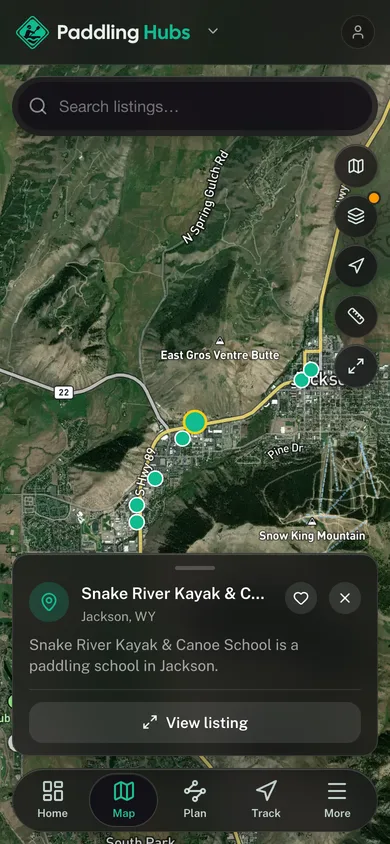
19 on the map
Tap a pin to open its profile.
Quick facts
- Rivers mapped
- 4
- Outfitters listed
- 19
- Best season
- Year-round
River Explorer
Rivers and creeks across Hawaii
Tap a river to trace its course on the map, then open it for flow, access, and gauge data.
All listings
19 outfitters
across Hawaii
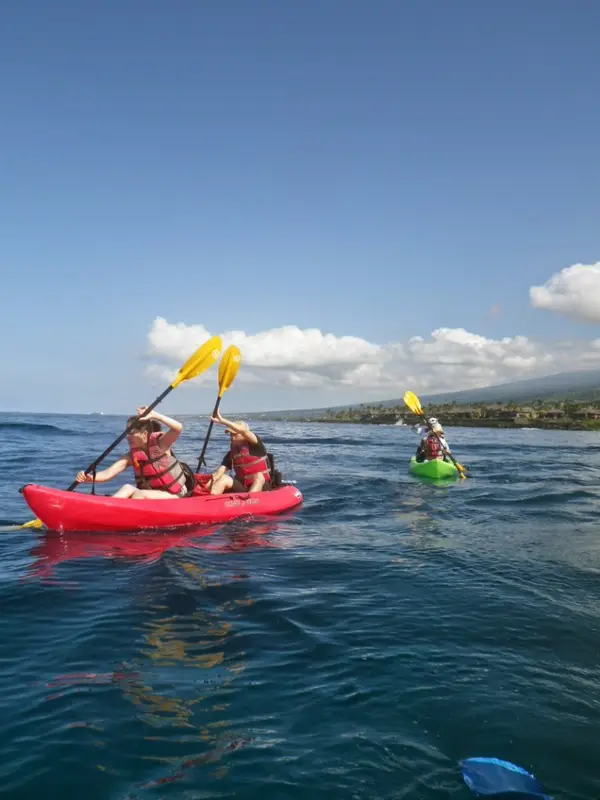
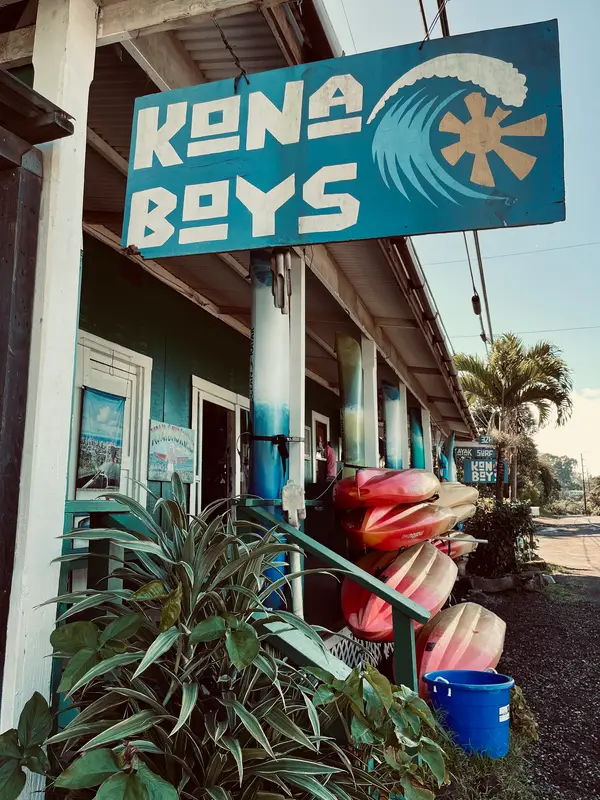
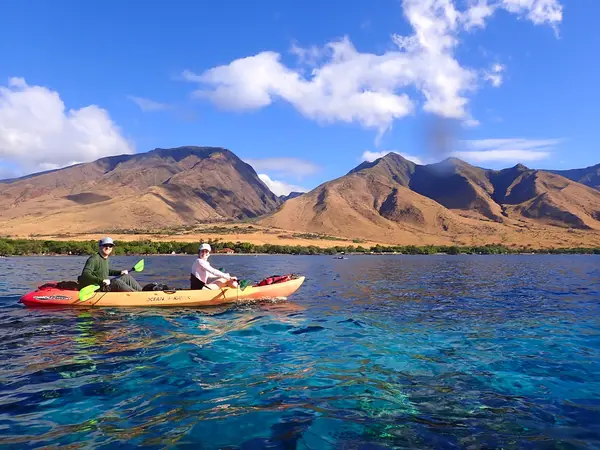
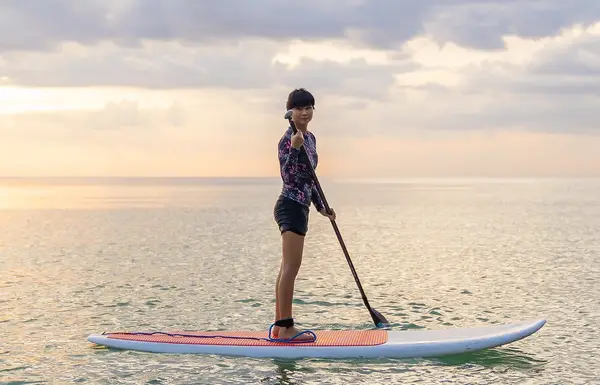
Plan your trip
Plan your trip to Hawaii
Ocean Conditions and Safety
Hawaii's ocean environment requires respect and awareness. Always check local marine forecasts for wind, swell, and current predictions before heading out. Strong currents can be present, especially around points and channels. For cold-water safety, while Hawaii's waters are warm, prolonged exposure to sun and dehydration are greater concerns; carry plenty of water and wear sun protection.
Permits and Restricted Areas
Access to certain iconic paddling destinations, such as the Na Pali Coast on Kauai, requires permits for unguided trips. These permits are managed by the Department of Land and Natural Resources (DLNR) and must be secured well in advance. Guided tours typically handle necessary permits on behalf of their clients.
PFD and Vessel Registration
All paddlecraft users in Hawaii are required to have a U.S. Coast Guard-approved Personal Flotation Device (PFD) readily accessible. Children under 13 must wear a PFD at all times when underway on a vessel. While most recreational kayaks and SUPs are exempt from state vessel registration, commercial operations and larger vessels have specific requirements.
Rental vs. Guided Trips vs. Lessons
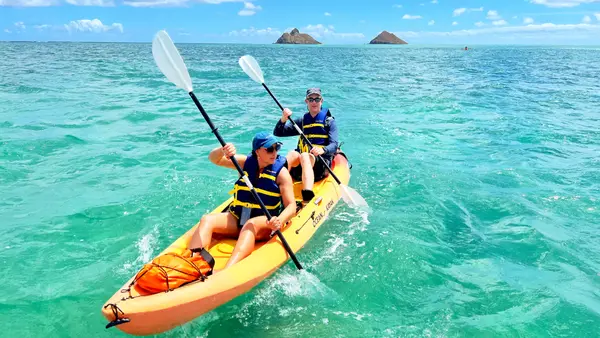
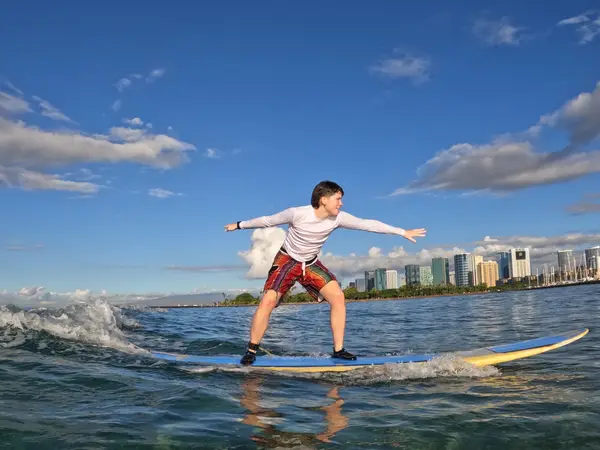
A wide range of options exists for paddlers. Rentals are available for independent exploration in calm, well-understood areas like Kailua Bay or Ala Moana Beach. Guided trips offer local expertise, safety, and access to more remote or challenging locations. SUP and kayak lessons are widely available for beginners or those looking to refine their skills, often in calm, protected waters.
Environmental Etiquette
Hawaii's marine ecosystem is fragile. When paddling, avoid touching coral reefs, marine wildlife (like turtles or monk seals), and always pack out what you pack in. Use reef-safe sunscreen to protect marine life. Many areas are designated Marine Protected Areas (MPAs) with specific rules regarding fishing and wildlife interaction.
Confirm current requirements with the state agency before your trip. Rules and fees change every season.
Personal Flotation Devices (PFDs)
Hawaii state law mandates that all vessels, including kayaks, canoes, and stand-up paddleboards, must carry at least one U.S. Coast Guard-approved PFD for each person on board. Children under 13 years of age must wear a PFD at all times when on a vessel.
Hawaii DLNR DOBORMarine Protected Area Regulations
Many coastal areas in Hawaii are designated Marine Protected Areas (MPAs) or Marine Life Conservation Districts (MLCDs). These areas have specific rules regarding fishing, collecting marine life, and interacting with wildlife. Paddlers must be aware of and adhere to these regulations to protect the delicate ecosystem. Rules vary by specific area; check local signage.
Hawaii DLNR DARNa Pali Coast State Wilderness Park Permits
For any unguided kayak or canoe trip along Kauai's Na Pali Coast, a valid permit is required from the Department of Land and Natural Resources. These permits are limited and must be acquired well in advance for overnight stays or specific day-use access points. Guided commercial tours typically secure these permits for their clients.
- 01
1. Choose Your Island and Experience
Research which Hawaiian island best suits your paddling interests, whether it's the dramatic cliffs of Kauai, the calm reefs of Maui, or the diverse bays of Oahu. Decide if you prefer guided tours, rentals, or lessons.
- 02
2. Select an Outfitter and Book in Advance
Identify reputable paddling outfitters on your chosen island. Given the popularity of Hawaii, especially during peak seasons, booking guided tours, rentals, or lessons well in advance is highly recommended to secure your spot.
- 03
3. Understand Local Conditions and Regulations
Familiarize yourself with typical ocean conditions for your travel dates and specific paddling locations. Be aware of state PFD requirements and any permits needed for access to certain areas, such as the Na Pali Coast.
- 04
4. Prioritize Safety and Environmental Responsibility
Always heed safety briefings from your outfitter, check marine forecasts, and paddle within your skill level. Practice 'Leave No Trace' principles, respect marine life, and use reef-safe sun protection to preserve Hawaii's delicate ecosystem.
- 05
5. Prepare for the Elements
Pack essential items like plenty of water, sunscreen, a hat, sunglasses, and appropriate swimwear. Even on cloudy days, the tropical sun is intense. Consider waterproof bags for personal items.
01What is the best time of year to go paddling in Hawaii?
02Are there any whitewater rafting opportunities in Hawaii?
03Do I need a permit to go kayaking or SUP in Hawaii?
04What kind of marine life can I expect to see while paddling?
05Is Hawaii safe for beginner paddlers?
06What is the water temperature like for paddling?
Free tools
Your free outdoor toolkit

Everything Map
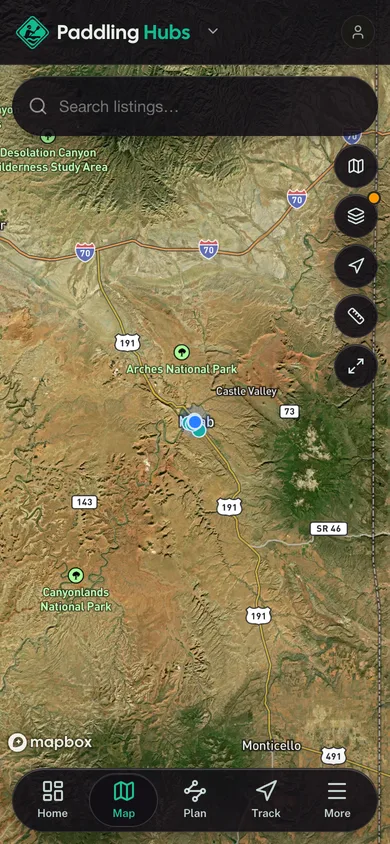
Listings, trails, spots, clubs and public land on a single full-screen map. Switch layers on and off, then tap any point for the details.
Open Everything MapRiver Explorer
Explore named rivers from the USGS hydrography dataset. Filter by water type or whitewater class.
Open River ExplorerRoute Planner
Drop stops on a map and watch distance and drive time add up. Export a GPX or share the link.
Open Route PlannerPaddling Clubs
Browse local clubs with meeting info and how to join, or start your own for free.
Open Paddling ClubsPhoto ID
Point your camera at whatever you found and get a structured identification. No signup.
Open Photo IDGear Checklists
Printable, save-as-you-go packing lists. Tick items off and pull them up on your phone.
Open Gear Checklists