Skip to content
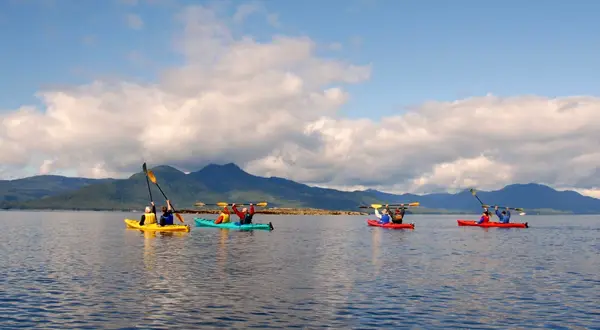
Alaska paddling scene. Backdrop for the Paddling Hubs Alaska outfitter directory

Outfitters · Alaska

Outfitters in Alaska

Paddle 29 outfitters across Alaska. Maps, hours, contact info, photos, and verified operator profiles, all in one place.

America's last great frontier. Fjords, glaciers, and 17 of the 20 highest peaks in the country.

Updated

All listings

29 outfitters in Alaska
All states

Get listed free

Run a outfitter in Alaska? Add it to Paddling Hubs. Free, no commission.

Add your listing

On the map

Outfitters, rivers & creeks and camping in Alaska

Everything we have mapped in Alaska, on one map. Tap anything for its details.

Loads the full map of Alaska. We leave it off by default so the page opens fast on mobile data.

Tap a river to trace its course on the map, then open it for flow, access, and gauge data.

  • Details
  • Details
  • Details
  • Details
  • Details
  • Details
  • Details
  • Details

About Alaska

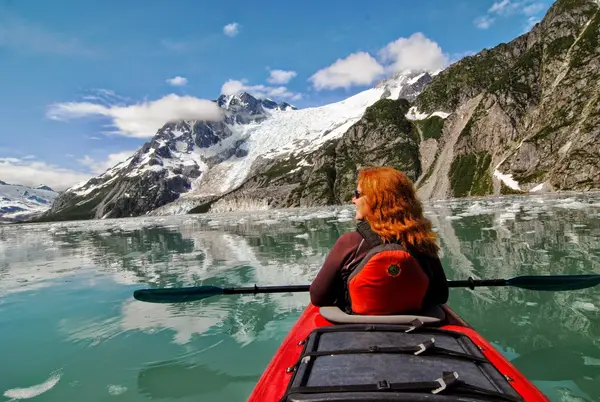
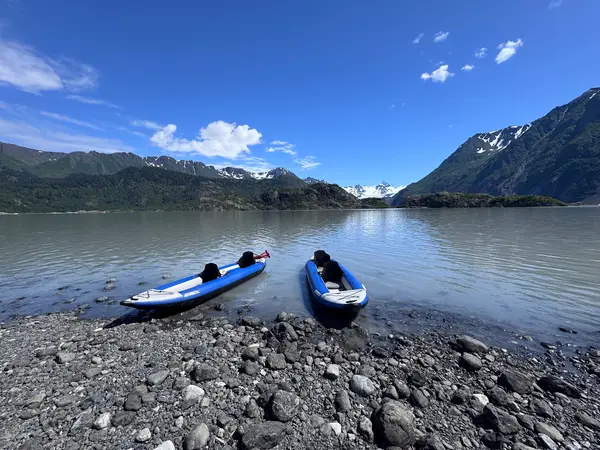
Alaska presents a paddling landscape of immense scale and profound wilderness, offering unmatched opportunities for kayakers, canoers, stand-up paddleboarders, and whitewater rafters. From the intricate fjords and verdant islands of the Inside Passage to the expansive glacial lakes of Southcentral Alaska, paddlers can explore remote coastlines, navigate pristine rivers, and witness abundant wildlife. Coastal towns like Seward and Valdez serve as gateways to Prince William Sound and Kenai Fjords National Park, where sea kayaking among icebergs and marine mammals is a signature experience, often with guided trips and rentals available from local outfitters.

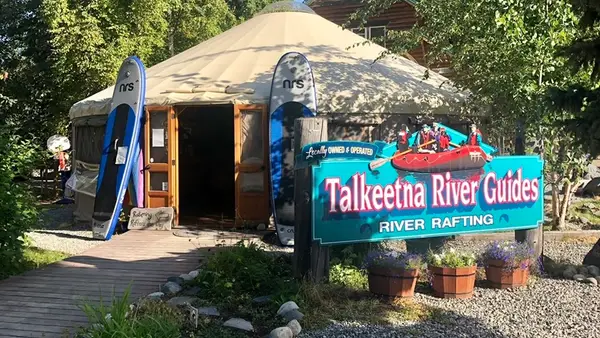
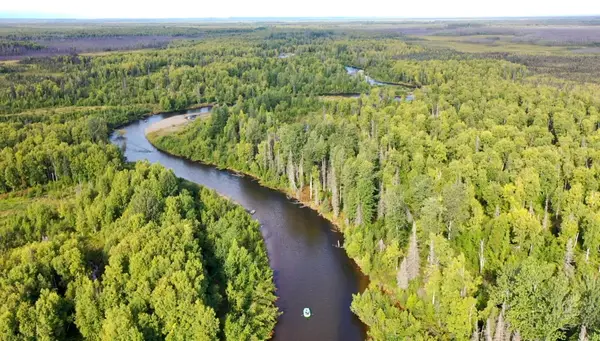
The vast interior of Alaska offers a different paddling character, with wide, braided rivers like the Yukon and Tanana providing multi-day wilderness journeys, suitable for experienced canoers and rafters. Whitewater enthusiasts can find thrilling runs on rivers such as the Talkeetna and Nenana, often supported by specialized rafting outfitters near areas like Denali National Park. SUP opportunities are growing on calmer lakes and sheltered bays, particularly around Anchorage and Fairbanks, providing a unique perspective on Alaska's stunning scenery. Access often involves bush planes or remote launches, necessitating careful planning and reliance on expert local knowledge.

Paddling in Alaska is defined by its wildness and the sheer diversity of its aquatic environments. Beyond the well-known coastal and interior regions, the remote Arctic coast offers expedition-style sea kayaking for the most intrepid adventurers, though these trips are highly specialized and require extensive logistical support. Throughout the state, paddling outfitters provide a crucial service, offering everything from hourly kayak and SUP rentals in accessible areas to fully guided multi-day expeditions into roadless wilderness. These services ensure paddlers of varying skill levels can safely experience Alaska's unique aquatic playgrounds, with a strong emphasis on cold-water safety and environmental stewardship.

Whether it's a guided sea kayaking tour through the ice-strewn waters of a glacial bay, a multi-day canoe trip through a vast river system, or an exhilarating whitewater rafting adventure, Alaska's paddling opportunities are diverse. Outfitters across the state specialize in different disciplines, providing not only equipment but also essential local knowledge, safety protocols, and transportation logistics. Paddlers exploring the state will find a robust network of businesses ready to facilitate unforgettable experiences, from beginner lessons on calm lakes to advanced expeditions in remote wilderness. Careful research into specific regions and outfitter specialties is key to a successful Alaskan paddling adventure.

When to paddle in Alaska

Peak Jun–Aug

Full season

Quick facts

Rivers mapped
897
Outfitters listed
29
Best season
June through early September

Trip guide

Know before you go in Alaska

Federal permits, lotteries and timed-entry reservations in Alaska, from Recreation.gov.

Confirm current requirements with the agency that sets them before your trip. Rules and fees change every season.

  • Personal Flotation Devices (PFDs)

    All vessels, including kayaks, canoes, and SUPs, must have at least one U.S. Coast Guard-approved wearable PFD for each person on board. Children 13 years of age and younger must wear a PFD at all times while on board a vessel under 26 feet in length that is underway.

  • Vessel Registration

    Non-motorized canoes, kayaks, and stand-up paddleboards are generally exempt from state registration requirements in Alaska. However, if a paddlecraft is equipped with any type of motor, it must be registered with the Alaska Department of Administration, Division of Motor Vehicles.

    Alaska DMV
  • Backcountry Permits

    While general day-use paddling often doesn't require specific permits, overnight trips or extended expeditions into certain national parks, national preserves, or wilderness areas may necessitate a backcountry permit. Always check with the specific park or land management agency for their current requirements and obtain permits in advance.

    National Park Service Alaska
01What is the best time of year to go paddling in Alaska?
The prime paddling season in Alaska is generally from July through August, offering the warmest temperatures, longest daylight hours, and the most accessible conditions across the state. Late May and June can be good for whitewater as snowmelt increases river flows, while September offers fewer crowds and vibrant fall foliage, though temperatures cool significantly.
02Do I need a guide for paddling in Alaska?
While experienced paddlers can undertake independent trips in some areas, a guided trip is highly recommended, especially for first-time visitors or those exploring remote wilderness. Guides provide essential local knowledge, navigation expertise, safety equipment, wildlife precautions, and logistical support, which are crucial in Alaska's challenging environment.
03What kind of gear do I need for paddling in Alaska?
Essential gear includes a U.S. Coast Guard-approved PFD, appropriate cold-water immersion wear (dry suit or wetsuit, even in summer), waterproof layers, reliable communication devices, and bear spray if venturing into bear country. Outfitters typically provide specialized paddling equipment like kayaks, canoes, SUPs, paddles, and safety gear for their trips.
04Are there paddling options for beginners in Alaska?
Yes, Alaska offers numerous beginner-friendly paddling opportunities. Many outfitters provide guided tours on calm lakes, sheltered bays, or gentle rivers, often with lessons included. Areas around Anchorage, Juneau, and Seward offer accessible flatwater options, perfect for those new to kayaking or SUP.
05What should I do if I encounter wildlife while paddling?
Maintain a respectful distance from all wildlife, especially bears, moose, and marine mammals. Never approach or feed animals. If a bear is present, make noise and carry bear spray. For marine mammals, follow guidelines to avoid disturbing them. Your guide will provide specific instructions and safety protocols for wildlife encounters.
06Is cold water a significant concern even in summer?
Absolutely. Alaska's waters remain very cold throughout the year, even during summer months due to glacial melt and deep currents. Hypothermia is a serious risk if capsizing. Always dress for immersion in cold water, using a dry suit or wetsuit, and ensure you have a properly fitted PFD and a plan for self-rescue or assisted rescue.

Watch & learn

Watch & learn, Alaska

  • 4 Days Camping, Fishing & Kayaking Through Alaska’s Wild Coast

    Deadmen

    0
  • Kayaking Remote Alaska For One Important Reason...

    Weekend Friend

    0
  • Kayaking Alaska’s Newly Discovered River Canyon | Best Job Ever

    National Geographic

    0