Outfitters · Alaska
Outfitters in Alaska
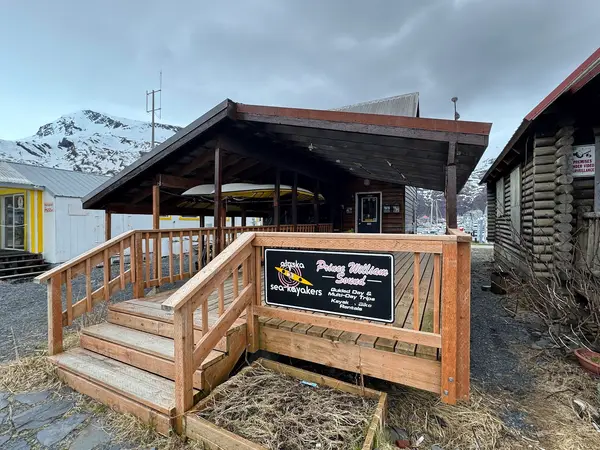
Paddle 29 outfitters across Alaska. Maps, hours, contact info, photos, and verified operator profiles, all in one place.
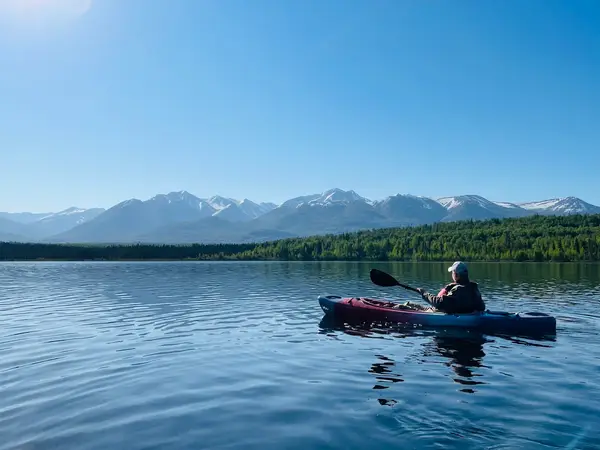
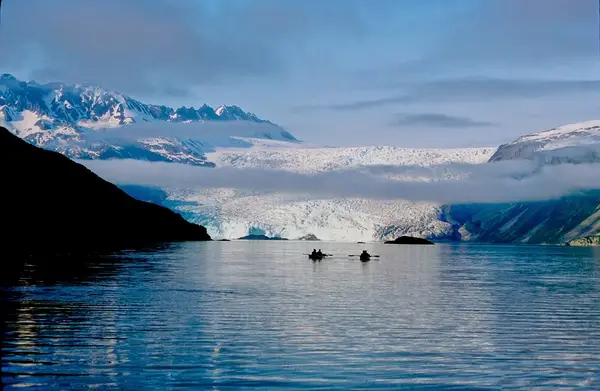
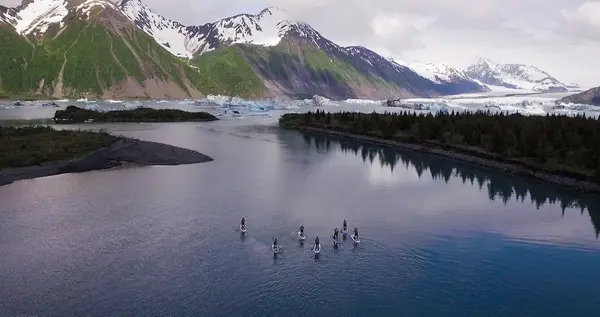
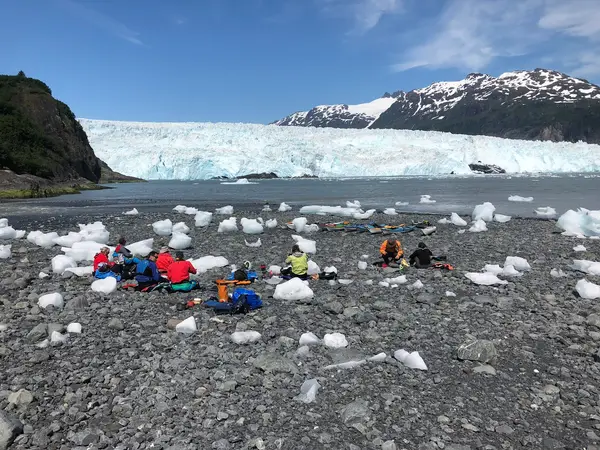
America's last great frontier. Fjords, glaciers, and 17 of the 20 highest peaks in the country.
About Alaska
Best time to go
When to paddle in Alaska
June through early September. Long days and an accessible interior.
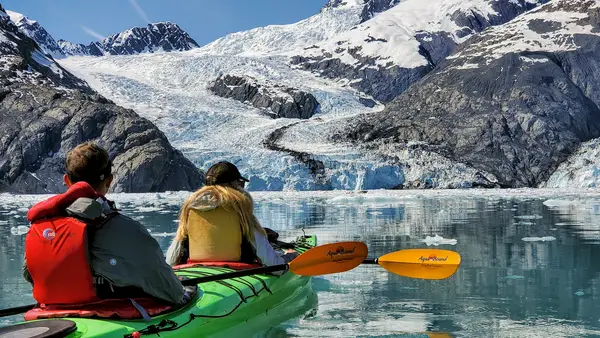
- June–August: prime coastal sea kayaking, calmer and drier
- Winter rain keeps rivers running when the snowmelt regions are frozen
- Cold Pacific water year-round, immersion gear on the coast too
29 on the map
Tap a pin to open its profile.
Quick facts
- Rivers mapped
- 185
- Outfitters listed
- 29
- Best season
- June through early September
All listings
29 outfitters
across Alaska

Plan your trip
Plan your trip to Alaska
Cold Water Safety is Paramount
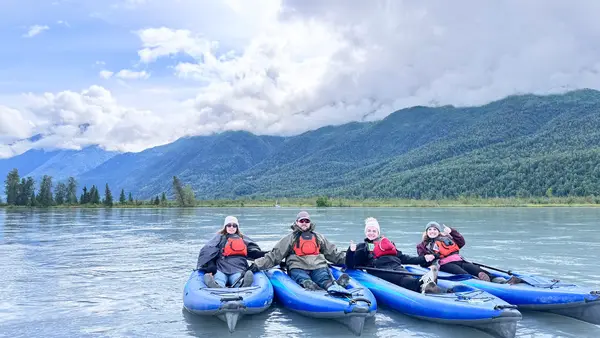
Alaska's waters are exceptionally cold year-round, even in summer. Hypothermia is a constant risk. Always wear appropriate immersion gear (dry suit or wetsuit), a properly fitted PFD, and carry emergency communication. Always paddle within your skill level and be prepared for rapidly changing weather conditions.
Peak Season and Water Levels
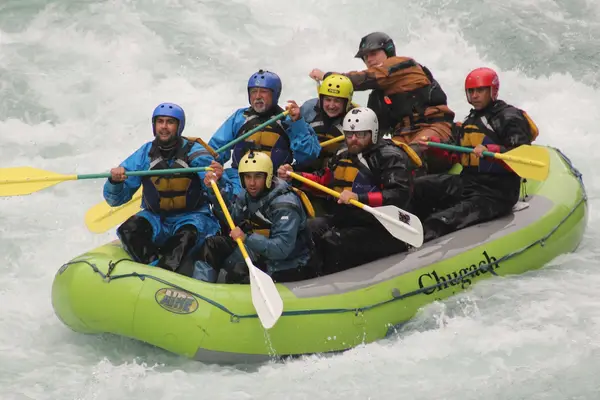
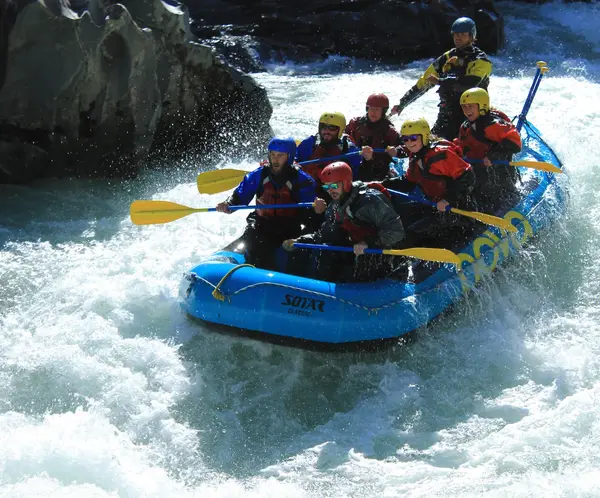
The primary paddling season runs from late May through early September. River levels are heavily influenced by snowmelt, glacial melt, and rainfall. Whitewater runs are often highest in early summer. Consult local outfitters and USGS streamflow gauges for current conditions, especially for whitewater rafting and river touring.
Diverse Paddling Environments
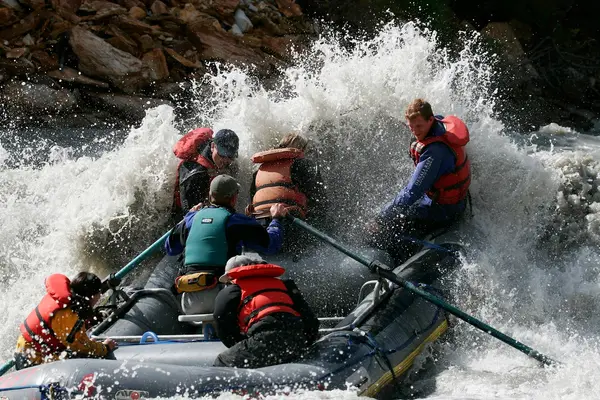
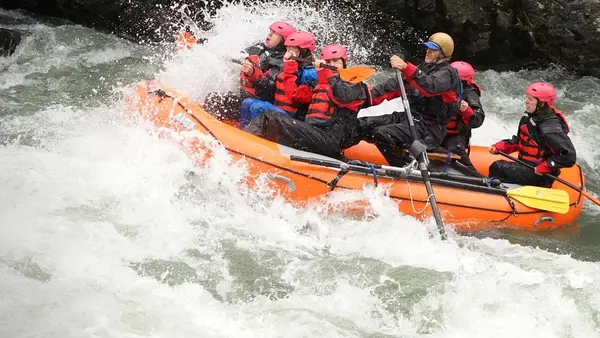
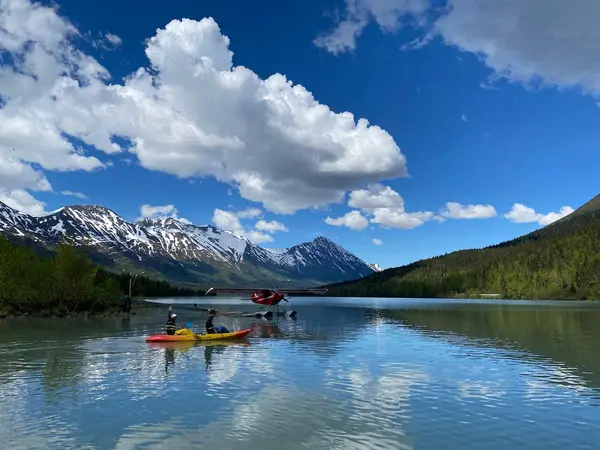
Alaska offers everything from calm lake paddling and sheltered sea kayaking in bays to challenging whitewater rafting and multi-day wilderness river expeditions. Match your skill level and desired experience to the specific type of water body. Outfitters specialize in different disciplines and can advise on suitable trips.
Permits and Access
While many areas are open for public recreation, some national parks, state parks, and wilderness areas may require permits for overnight stays or specific activities. Always verify permit requirements with the relevant land management agency before your trip, especially for extended backcountry paddling.
Guided Trips and Rentals
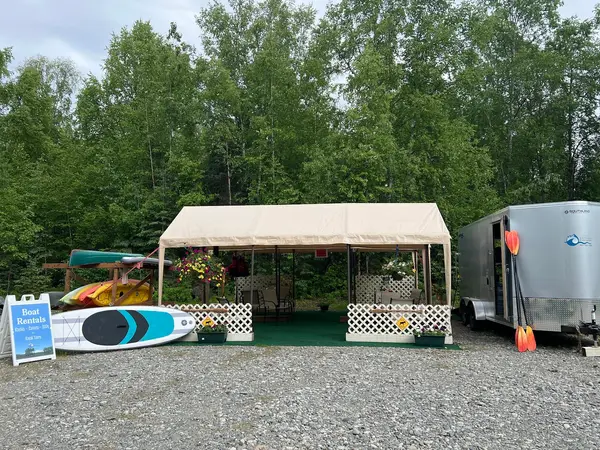
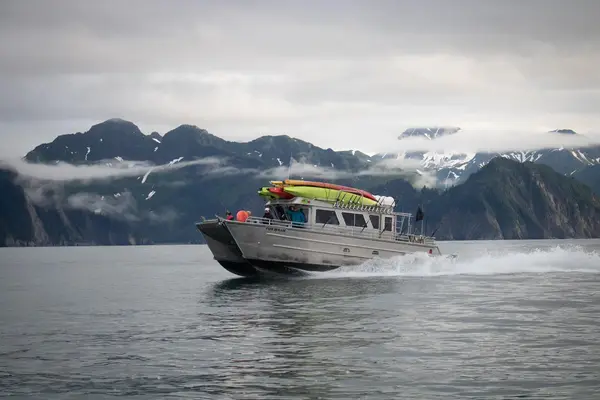
Given Alaska's challenging environment and vast distances, utilizing local outfitters for guided trips, rentals, and shuttle services is highly recommended, especially for visitors. They provide essential gear, local knowledge, safety briefings, and logistical support, greatly enhancing safety and enjoyment.
Confirm current requirements with the state agency before your trip. Rules and fees change every season.
Personal Flotation Devices (PFDs)
All vessels, including kayaks, canoes, and SUPs, must have at least one U.S. Coast Guard-approved wearable PFD for each person on board. Children 13 years of age and younger must wear a PFD at all times while on board a vessel under 26 feet in length that is underway.
Vessel Registration
Non-motorized canoes, kayaks, and stand-up paddleboards are generally exempt from state registration requirements in Alaska. However, if a paddlecraft is equipped with any type of motor, it must be registered with the Alaska Department of Administration, Division of Motor Vehicles.
Alaska DMVBackcountry Permits
While general day-use paddling often doesn't require specific permits, overnight trips or extended expeditions into certain national parks, national preserves, or wilderness areas may necessitate a backcountry permit. Always check with the specific park or land management agency for their current requirements and obtain permits in advance.
National Park Service Alaska
- 01
Define Your Paddling Experience
Determine your skill level and the type of paddling you desire – calm lake, coastal sea kayaking, or whitewater rafting. Alaska offers options for all, but choosing appropriately ensures safety and enjoyment.
- 02
Research Regions and Outfitters
Identify which Alaskan region best suits your paddling goals. Research local outfitters specializing in your chosen activity; they provide essential gear, guides, and local expertise for safe and successful trips.
- 03
Plan for Cold Water and Weather
Alaska's waters are cold year-round. Always plan for rapidly changing weather, even in summer. Pack appropriate cold-weather and rain gear, and ensure you have proper immersion protection (dry suit/wetsuit) if paddling in open water.
- 04
Verify Permits and Logistics
Check if any permits are required for your chosen paddling area, especially for multi-day trips in national parks or wilderness areas. Coordinate transportation, shuttle services, and accommodation well in advance, as options can be limited in remote areas.
- 05
Prepare for Wilderness
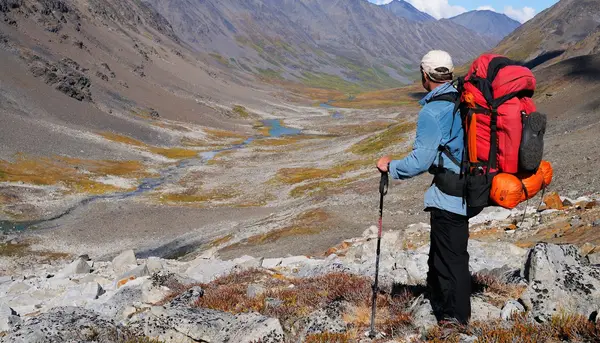
Alaska is true wilderness. Be prepared for encounters with wildlife (bears, moose, marine mammals) and understand proper wilderness etiquette. Carry emergency communication devices and ensure someone knows your float plan.
01What is the best time of year to go paddling in Alaska?
02Do I need a guide for paddling in Alaska?
03What kind of gear do I need for paddling in Alaska?
04Are there paddling options for beginners in Alaska?
05What should I do if I encounter wildlife while paddling?
06Is cold water a significant concern even in summer?
Free tools
Your free outdoor toolkit

Everything Map
Listings, trails, spots, clubs and public land on a single full-screen map. Switch layers on and off, then tap any point for the details.
Open Everything MapRiver Explorer
Explore named rivers from the USGS hydrography dataset. Filter by water type or whitewater class.
Open River ExplorerRoute Planner
Drop stops on a map and watch distance and drive time add up. Export a GPX or share the link.
Open Route PlannerPaddling Clubs
Browse local clubs with meeting info and how to join, or start your own for free.
Open Paddling ClubsPhoto ID
Point your camera at whatever you found and get a structured identification. No signup.
Open Photo IDGear Checklists
Printable, save-as-you-go packing lists. Tick items off and pull them up on your phone.
Open Gear Checklists