Skip to content
California paddling scene. Backdrop for the Paddling Hubs California outfitter directory

Outfitters · California

Outfitters in California

Paddle 64 outfitters across California. Maps, hours, contact info, photos, and verified operator profiles, all in one place.

Coastline, Sierras, deserts, and redwoods. Every outdoor environment in one state.

Updated

All listings

64 outfitters in California
All states

Get listed free

Run a outfitter in California? Add it to Paddling Hubs. Free, no commission.

Add your listing

On the map

Outfitters, rivers & creeks and camping in California

Everything we have mapped in California, on one map. Tap anything for its details.

Loads the full map of California. We leave it off by default so the page opens fast on mobile data.

Tap a river to trace its course on the map, then open it for flow, access, and gauge data.

  • Details
  • Details
  • Details
  • Details
  • Details
  • Details
  • Details
  • Details

About California

California presents an extraordinary array of paddling opportunities, reflecting its diverse geography from the rugged Sierra Nevada mountains to the expansive Pacific coastline. Paddlers can navigate the exhilarating rapids of snowmelt-fed rivers, glide across the serene surfaces of alpine lakes, explore the intricate estuaries of the San Francisco Bay, or embark on multi-day sea kayaking expeditions along the Big Sur coast. The state's vast network of waterways supports a full spectrum of paddlecraft, including kayaks, canoes, stand-up paddleboards (SUPs), and whitewater rafts, catering to all skill levels from novice to expert. Outfitters across the state provide rentals, guided trips, and lessons, making access convenient for visitors.

Whitewater enthusiasts find their paradise in California's Sierra Nevada, where rivers like the American, Tuolumne, Merced, and Kern offer a range of class II to V rapids, often sustained by spring and early summer snowmelt. These rivers flow through deep canyons and pristine wilderness, providing not only adrenaline-pumping runs but also breathtaking scenery. Reputable outfitters operating on these rivers offer everything from half-day rafting trips suitable for families to challenging multi-day excursions requiring significant experience. Understanding seasonal flows, often managed by dam releases, is crucial for planning whitewater adventures in these iconic regions.

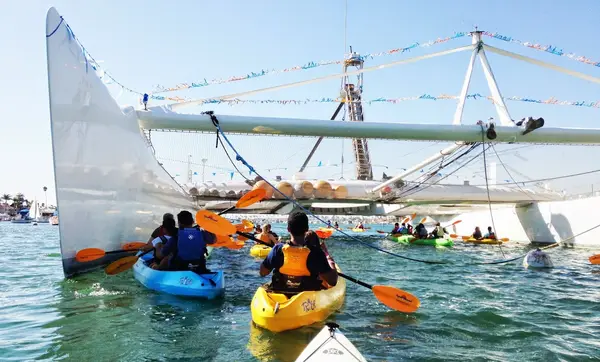
For those seeking calmer waters, California's numerous lakes, reservoirs, and coastal bays provide ample opportunities. Lake Tahoe, with its crystal-clear waters, is a prime destination for kayaking and SUP, offering stunning views of the surrounding mountains. The Sacramento-San Joaquin Delta offers a labyrinth of waterways ideal for wildlife viewing and peaceful touring. Along the coast, sea kayaking allows exploration of sea caves, kelp forests, and marine life in areas like Monterey Bay, Tomales Bay, and the Channel Islands. Many coastal towns and lake communities host SUP schools and kayak rental operations, facilitating accessible flatwater experiences.

When to paddle in California

Peak Jun–Aug

Full season

Quick facts

Rivers mapped
3,324
Outfitters listed
64
Best season
Year-round

Trip guide

Know before you go in California

Confirm current requirements with the agency that sets them before your trip. Rules and fees change every season.

  • Personal Flotation Devices (PFDs)

    California law mandates that all paddlecraft, regardless of length, must carry a U.S. Coast Guard-approved PFD for each person on board. Children 12 years of age and under are required to wear a PFD at all times when on a recreational vessel, including paddlecraft, unless they are in an enclosed cabin or below deck. It is highly recommended that all paddlers wear their PFD while on the water.

  • Boating Under the Influence (BUI)

    Operating any vessel, including paddlecraft, while under the influence of alcohol or drugs is illegal in California. BUI laws are similar to DUI laws for motor vehicles, with severe penalties including fines, imprisonment, and suspension of boating privileges. Law enforcement actively patrols waterways to ensure compliance with BUI regulations.

  • Aquatic Invasive Species Prevention

    California has stringent regulations to prevent the spread of aquatic invasive species, particularly Quagga and Zebra Mussels. Many bodies of water, especially lakes and reservoirs, require mandatory inspections or self-certification prior to launching any vessel, including kayaks, canoes, and SUPs. Failure to comply can result in fines and denial of access. Always clean, drain, and dry your vessel and gear after each use.

    California Department of Fish and Wildlife
01What is the best time of year to go paddling in California?
The best time largely depends on your preferred paddling style. Whitewater rafting and kayaking are best in late spring and early summer (April-July) due to snowmelt. Flatwater paddling on lakes, reservoirs, and coastal bays is excellent from late spring through fall. Coastal sea kayaking can be enjoyed year-round, but summer and fall often offer the calmest conditions.
02Do I need a permit to paddle a kayak or SUP in California?
Generally, no specific paddling permit is required for unmotorized paddlecraft in California. However, many state parks, national forests, and local recreational areas may require day-use fees or specific permits for vehicle entry or launching at certain facilities. Additionally, many lakes and reservoirs mandate invasive species inspections or self-certification.
03Are life jackets (PFDs) required for paddlers in California?
Yes, California law requires all recreational vessels, including kayaks, canoes, and stand-up paddleboards, to carry a U.S. Coast Guard-approved PFD for each person on board. Children 12 years of age and under must wear a PFD at all times while on a recreational vessel, unless in an enclosed cabin. It is strongly recommended that all paddlers wear their PFD.
04Can I paddle year-round in California?
Yes, year-round paddling is possible in California, though conditions vary significantly by season and region. Coastal and bay areas often offer consistent paddling, albeit with colder water and air temperatures in winter. Whitewater is highly seasonal, with most rivers flowing in spring/early summer. Winter rain can create temporary whitewater opportunities for experienced paddlers.
05What's the difference between flatwater and whitewater trips offered by outfitters?
Flatwater trips involve paddling on calm lakes, slow-moving rivers, or protected bays, ideal for scenic touring, wildlife viewing, and beginners. Whitewater trips navigate rapids on rivers, ranging from gentle Class II to challenging Class V, requiring more skill and often guided by experienced professionals for safety and instruction. Outfitters provide specific gear and guidance for each type of experience.
06How do I prevent the spread of invasive species when paddling?
To prevent the spread of invasive species, always remember to 'Clean, Drain, Dry' your paddlecraft and gear. Before leaving a launch site, remove all visible plants, animals, and mud. Drain all water from your vessel, including bilges and compartments. Allow your equipment to thoroughly dry for at least five days before launching into another body of water, or undergo a mandatory inspection if required.

Watch & learn

Watch & learn, California

  • Kayaking Sea Caves, Coastal Hikes, Whales and More on Channel Islands National Park

    California Through My Lens

    0
  • Senders EP06 | Hiking to kayaking paradise in California!

    Senders

    0
  • Rockfish Fishing in my Kayak on the California Coast

    Die Hard Fishing

    0

Keep exploring

Nearby states