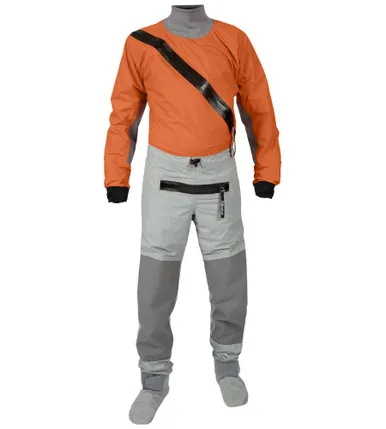
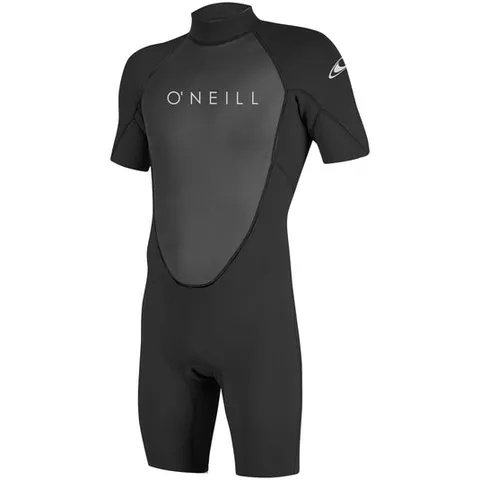
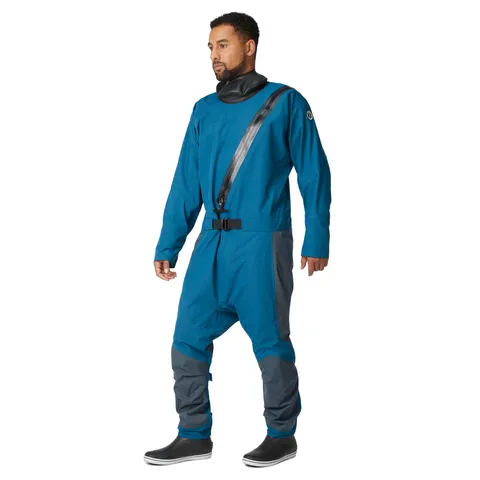
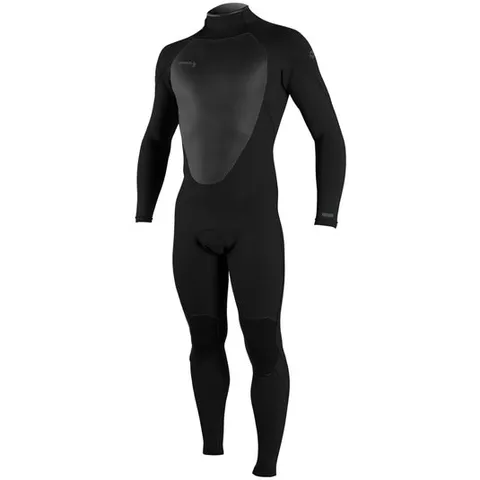
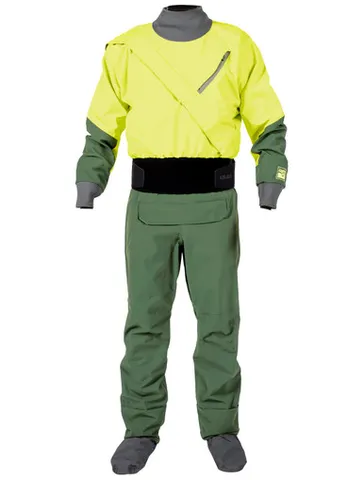
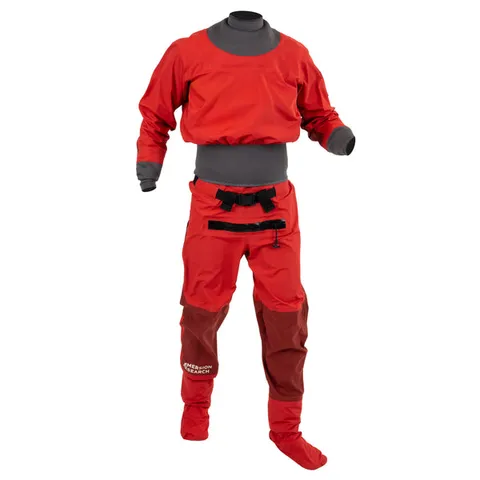
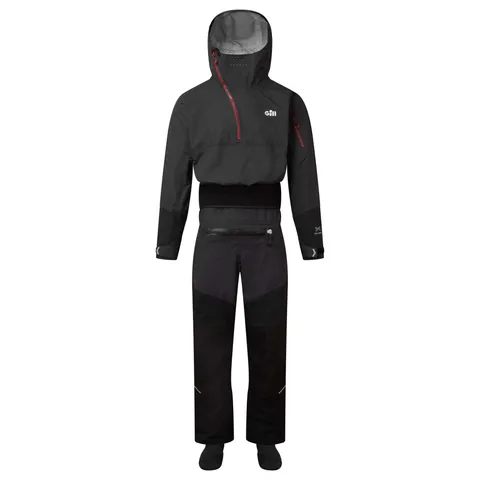
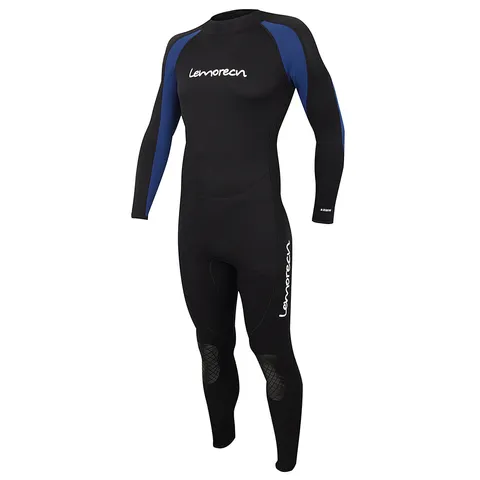
In paddling, the water is the hazard, not the weather. A kayak, canoe, or SUP puts you inches above cold water you can fall into without warning, and immersion below about 60°F triggers cold-water shock long before hypothermia does. That is why experienced paddlers dress for the water temperature, not the air, and why the right thermal layer is the most important safety gear most beginners skip. The two families that solve this are wetsuits (neoprene that traps a thin layer of water your body heats) and drysuits (a fully waterproof shell with latex neck and wrist seals, worn loose over insulating layers so no water gets in at all).
The twist for paddlers is mobility. Surf wetsuits are cut for paddling prone and duck-diving; a kayak or SUP stroke lives in the shoulders and arms, so the paddling world leans on the sleeveless "Farmer John" cut and high, generous armholes that let you paddle for hours without shoulder fatigue. A 3mm neoprene John covers most three-season paddling in roughly 55–70°F water; colder than that and you want either a thick full wetsuit, a semi-dry suit, or a true GORE-TEX drysuit. Prices run from about $60 for a basic full wetsuit to over $1,500 for a top-tier drysuit that can genuinely last a decade.
This guide spans that whole spectrum so you can see the low end and the high end honestly, rather than defaulting to whatever a marketplace pushes first. We favor real paddling-specific cuts and construction, and we tell you where a cheap suit is genuinely enough versus where spending more buys safety and years of service.