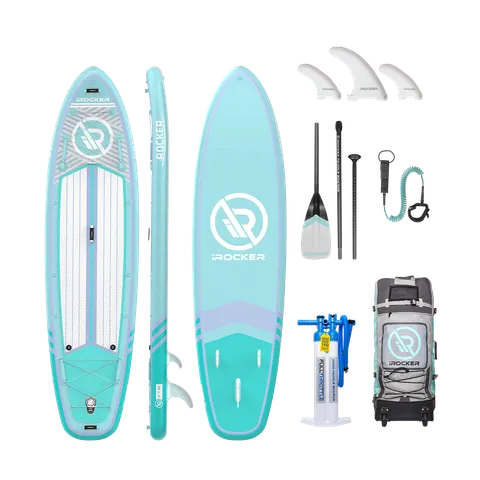
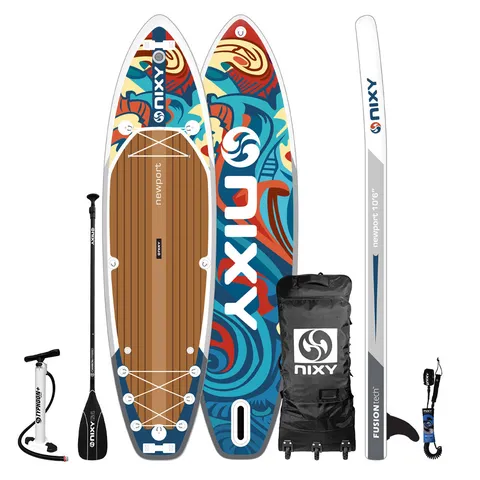
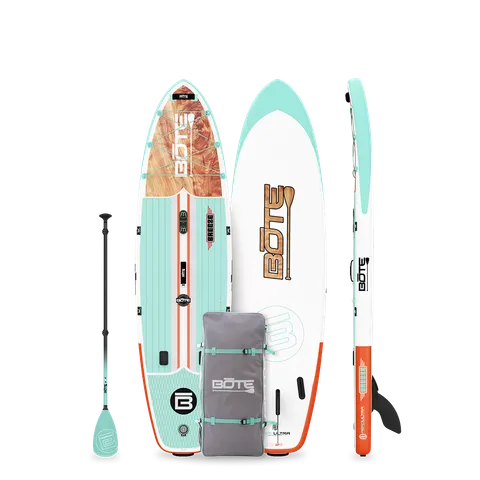
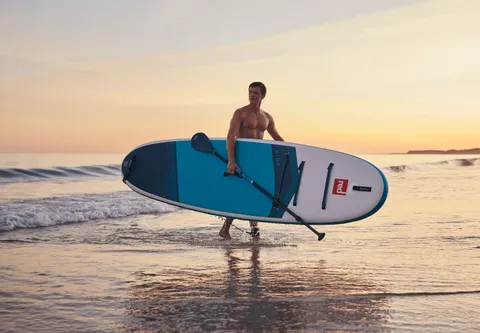
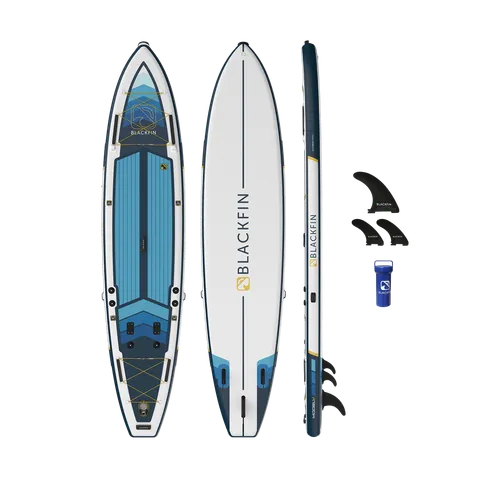
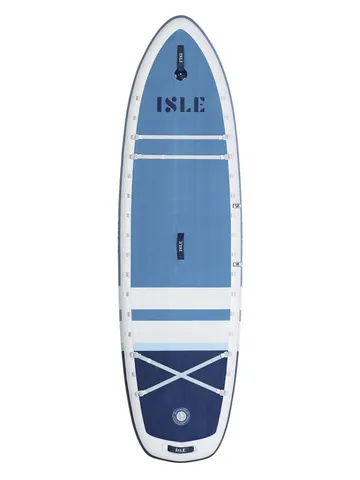
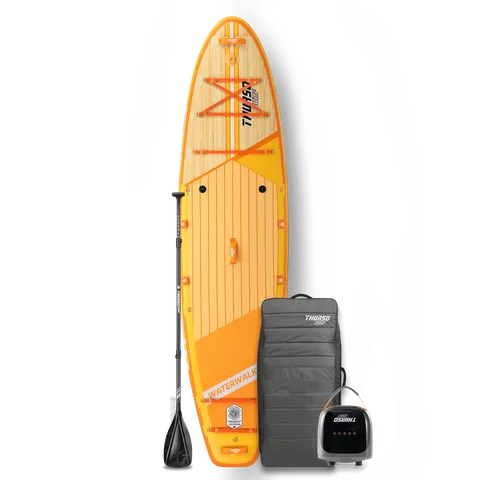
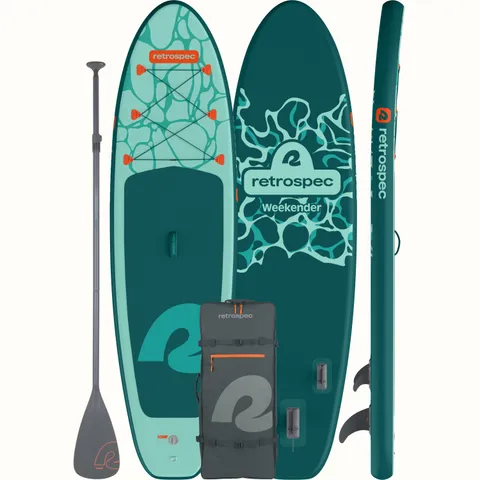
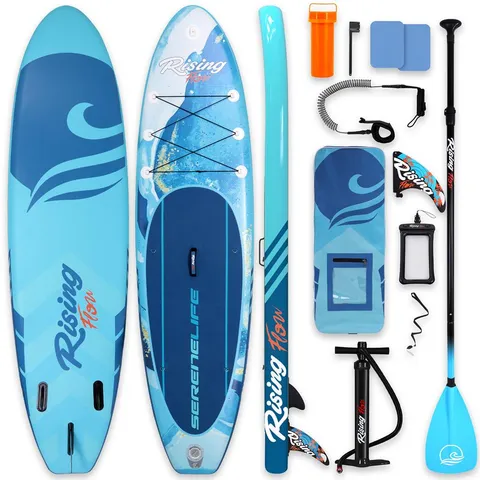
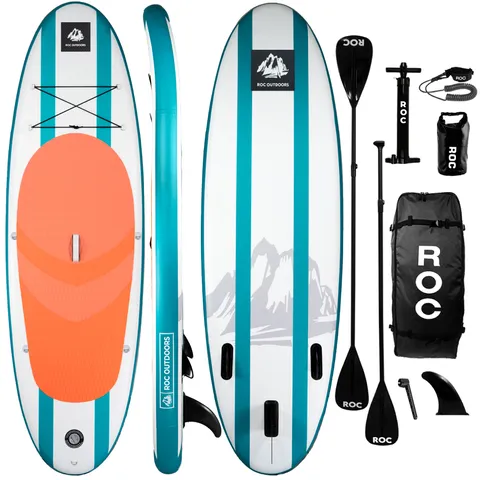
A stand-up paddleboard is the rare piece of outdoor gear that a total beginner and a weekend regular can share happily, the trick is buying the right board for how you'll actually use it, not the cheapest one with the best photo. In 2026 the market is dominated by inflatable SUPs (iSUPs), and for good reason: modern dual-layer, welded-rail, drop-stitch construction inflated to 15 PSI is now stiff enough that most paddlers under an expert level cannot feel the difference between a good inflatable and a rigid board. Inflatables also roll into a backpack, survive being dropped on rocks and dock cleats, and store in a closet, which is why nearly every board below is one.
The single most important spec for a new paddler is width. A 32"–35"-wide, 6"-thick board is forgiving and stable enough to learn on without a swim on day one, while narrower touring shapes trade that early stability for glide and speed once your balance improves. Length and volume determine how much weight the board floats (yours plus a cooler, a dog, or a kid), and construction quality, fused vs. glued rails, single vs. dual layer, is what separates a board that stays rigid for ten seasons from one that starts to taco under your feet after two.
The boards here span roughly $150 to $1,400. That spread is real and it matters: the budget end gets you on the water this weekend and is genuinely fine for calm lakes and the occasional outing, while the premium end buys rigidity, lighter weight, better paddles, and warranties measured in years rather than a single summer. We've ranked by overall recommendation for a beginner-to-intermediate paddler, then flagged who each tier is honestly for.