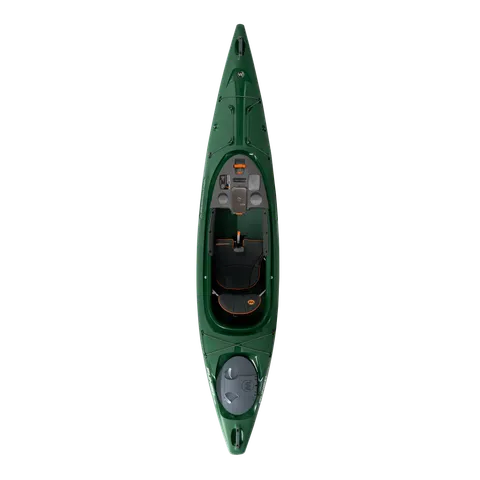
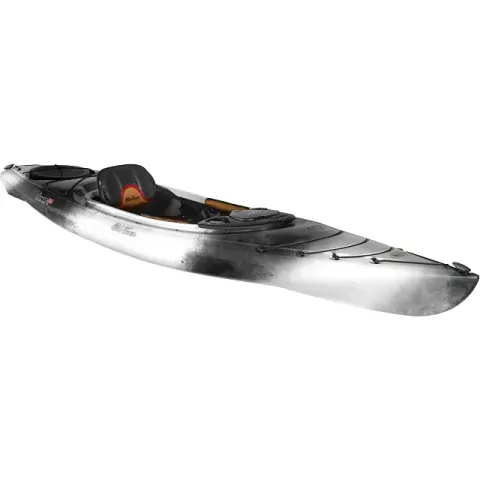
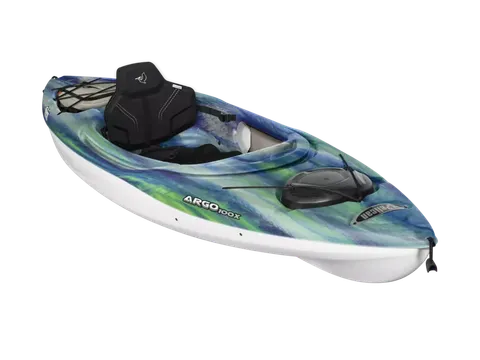
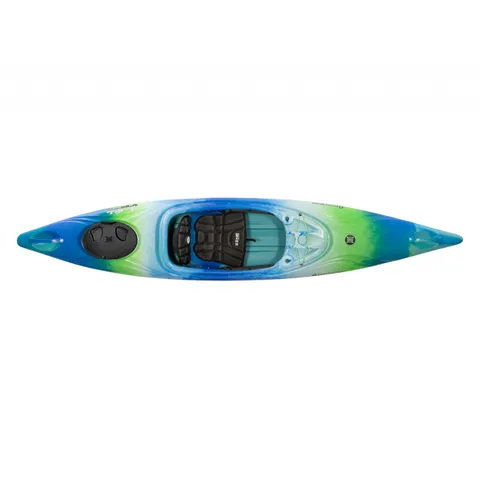
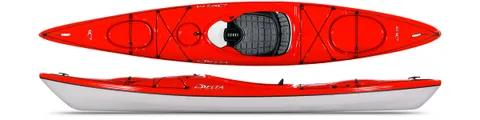
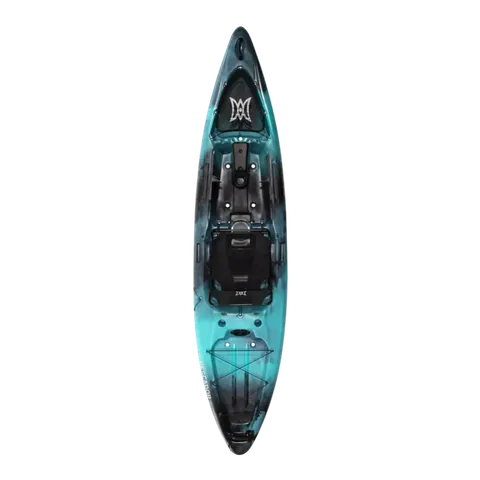
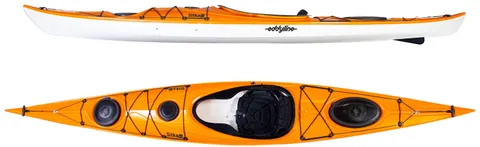
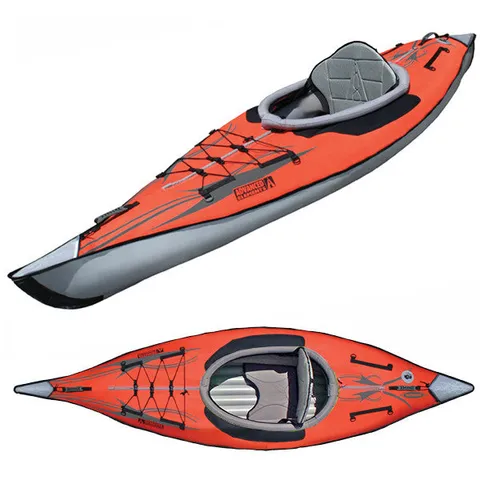
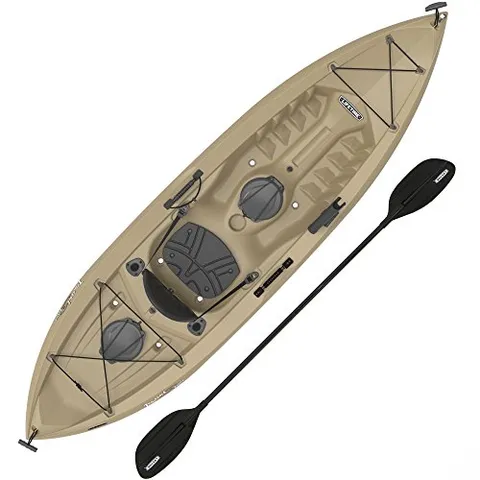
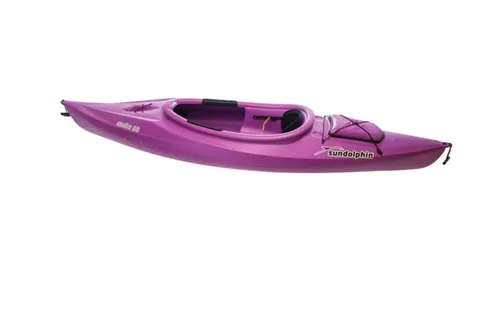
A recreational kayak is the boat most people actually want: short (roughly 9 to 12 feet), wide (28 to 34 inches), forgiving, and happy on calm lakes, slow rivers, and protected bays. It is not a whitewater creek boat or a 17-foot sea kayak, it trades outright speed for the kind of rock-solid, sit-and-relax stability that lets a first-timer or an intermediate paddler stay out for three or four hours without fighting the water. If you paddle a couple of times a month, tow the family, fish a little, or just want to float, this is your category.
The reason a guide like this exists is that the market runs from a $260 big-box kayak to a $2,300 thermoformed craft that weighs less than a golden retriever, and Amazon's search results do nothing to explain why. At the low end you buy a molded-plastic hull with a basic seat that gets you on the water tomorrow. In the middle you get a genuinely comfortable, well-tracking boat with an adjustable frame seat and real storage. At the top you pay for a glossy thermoform or composite hull that is dramatically lighter, faster, and outfitted with bulkheads and sealed hatches you would find on a sea kayak. More money mostly buys three things: less weight to carry, a better seat, and a hull that glides straighter with less effort.
We weighted this list toward what actually matters after the first outing (primary stability, seat comfort, tracking, and how easy the boat is to car-top and carry alone), rather than color options or marketing. Every pick below is a real, currently sold 2026 model, chosen so a reader can see exactly what stepping up a tier gets them.