A dry bag is the single most-used piece of gear most paddlers own, and it is also the one people most often buy badly, grabbing whatever is stacked by the register, then discovering on the water that "water-resistant" and "waterproof" are very different promises. For kayak, canoe, and SUP paddlers, the job is simple to state and surprisingly easy to get wrong: keep a phone, a dry layer, a lunch, and a set of keys genuinely dry through spray, the occasional wave over the bow, and the inevitable moment the bag ends up sitting in the puddle at the bottom of the hull.
The good news is that this is a mature category with real winners at every price. You can spend $15 and stay dry on a calm-lake afternoon, or spend $300 on a bag you could drop off the side of a whitewater raft and fish out later with everything inside still bone-dry. Most paddlers land somewhere in the middle, a $40 roll-top for daily use, plus maybe a bombproof welded bag for the phone and the car keys. What separates the tiers is not whether the bag works when it's new, but how it seals (a rolled top vs. a fully welded, submersible closure), what the fabric survives (a season vs. a decade), and whether the seams are stitched or heat-welded.
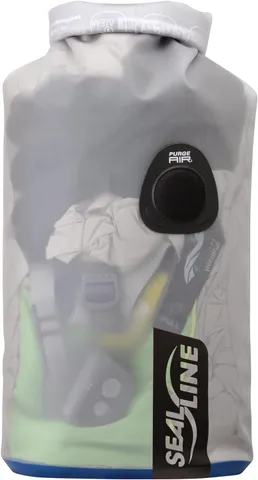
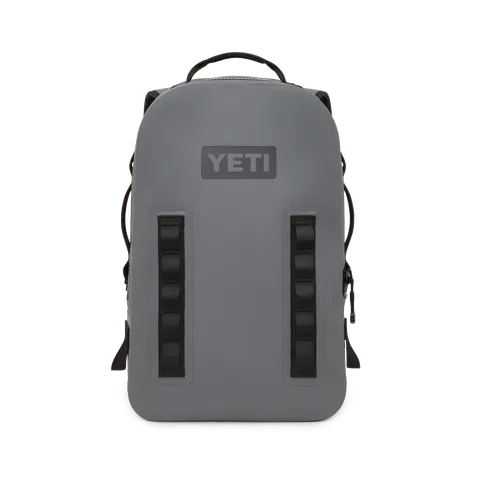
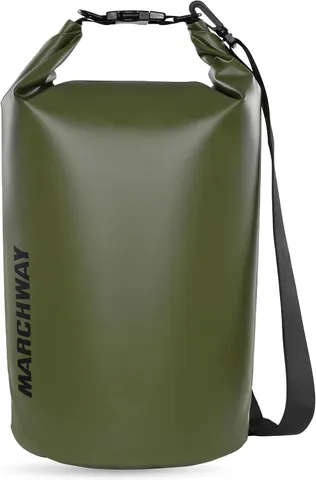
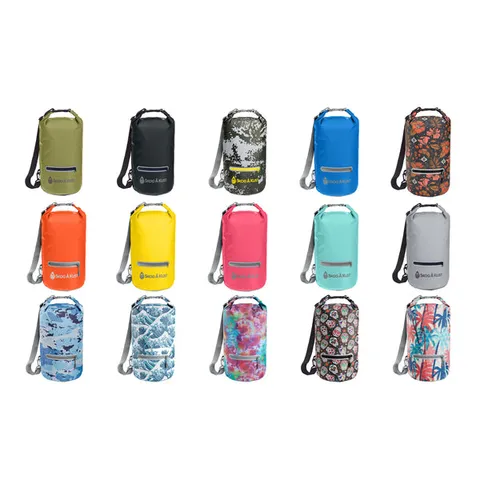
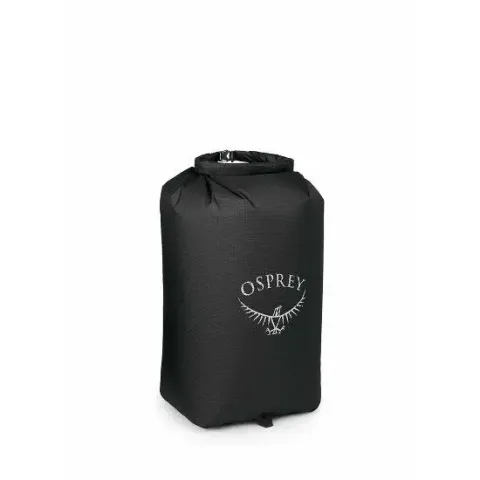
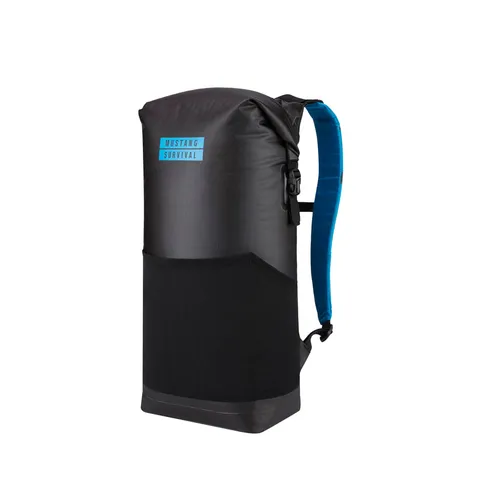
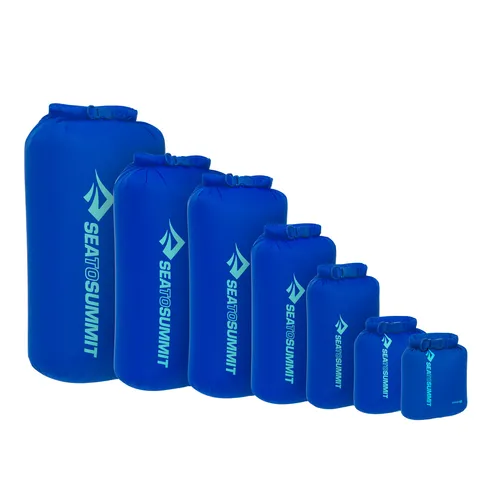
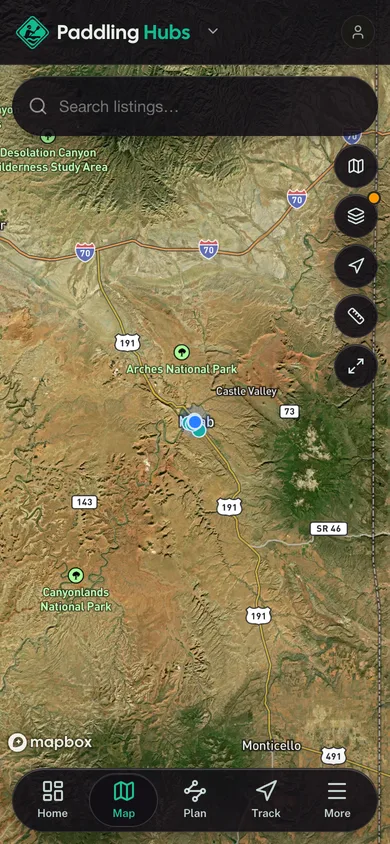
This guide spans that whole range so you can shop the map instead of a single Amazon result. We cover simple roll-top sacks, translucent "see-your-gear" bags, backpack-style haulers for portages and multi-day trips, and the fully submersible welded bags whitewater and expedition paddlers trust. Wherever you fall, first season on a rec kayak or twentieth trip in a sea kayak, there's a right bag here, and it probably isn't the most expensive one.